Armand de Brignac
Armand de Brignac is a modern prestige Champagne brand created in its present form in 2006 and now operated as a joint venture between Shawn “JAY-Z” Carter and Moët Hennessy. Current LVMH material continues to describe that joint-venture structure in 2026,…
Editorial profile
Armand de Brignac is a modern prestige Champagne brand created in its present form in 2006 and now operated as a joint venture between Shawn “JAY-Z” Carter and Moët Hennessy. Current LVMH material continues to describe that joint-venture structure in 2026, making it important to distinguish the ownership of the brand from the family that actually crafts the wines.
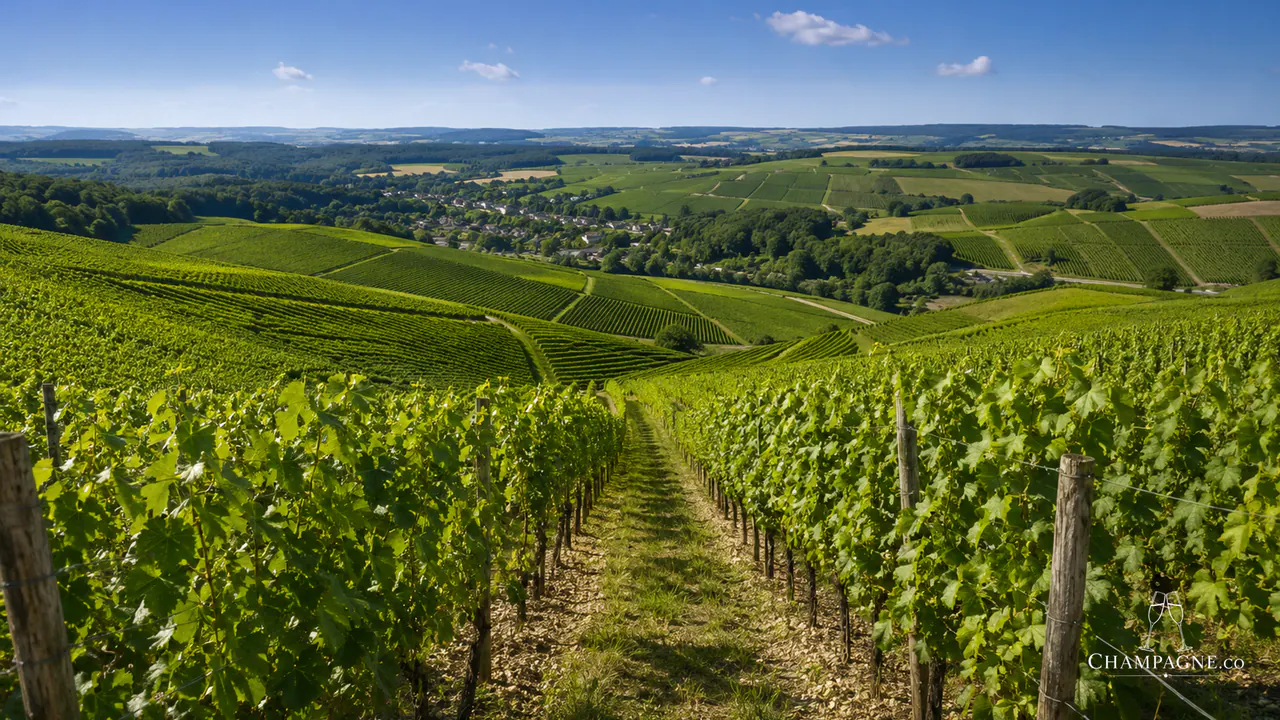
Production is entrusted to the Cattier family. Armand de Brignac identifies Jean-Jacques Cattier and his son Alexandre as the twelfth- and thirteenth-generation winegrowers behind the cuvées. The Cattier family owns 33 hectares in the Montagne de Reims, including vineyards around Rilly-la-Montagne, Chigny-les-Roses and Ludes, while fruit selection for Armand de Brignac extends beyond those family holdings according to the requirements of each wine.
Most of the signature range follows a multi-vintage philosophy built around three vintages. The current portfolio then broadens that model with numbered Blanc de Noirs assemblages and, for the first time, an exact-vintage Champagne in Blanc de Noirs Vintage 2015.
Why this producer matters
- A globally prominent prestige Champagne brand with a clearly documented Jay-Z / Moët Hennessy joint-venture ownership structure.
- Wines are crafted by Jean-Jacques and Alexandre Cattier, linking the modern brand to a long-established Champagne family.
- The Cattier family owns 33 ha in the Montagne de Reims, although those holdings should not be confused with ownership by the Armand de Brignac brand itself.
- The signature cuvées use a three-vintage blending model rather than a conventional single-base non-vintage formula.
- The current range spans Brut, rosé, Demi-Sec, Blanc de Blancs, numbered Blanc de Noirs assemblages and an exact-vintage Blanc de Noirs.
- Blanc de Noirs Vintage 2015 is the brand's first vintage release and marks a clear departure from its established multi-vintage architecture.
Production, vineyards and blending
Armand de Brignac's production identity starts with the Cattier family in the Montagne de Reims. The brand's current background material identifies family holdings in Rilly-la-Montagne, Chigny-les-Roses and Ludes, while the Blanc de Noirs releases also draw on selected Pinot Noir villages elsewhere in Champagne.
The signature wines are built around a trio of vintages. That is most visible in Brut Gold and the numbered Blanc de Noirs assemblages, where the interaction between several harvests is part of the intended identity of the wine. The vintage 2015 release reverses that logic by fixing the wine to one harvest.
The dosage programme is also distinctive in current brand material: dosage liqueur for several releases is based on wine aged in new French oak. The precise composition, dosage and component vintages can change between releases, so current technical values belong to the specific wine currently documented rather than to an eternal brand recipe.
Champagne.co analysis
Armand de Brignac makes most sense when the metal bottles and luxury positioning are separated from the underlying wine architecture. The core technical idea is not packaging but multi-vintage blending: Brut Gold, Rosé, Blanc de Blancs and the numbered Blanc de Noirs wines use several harvests to build continuity and complexity.
The numbered Blanc de Noirs series then creates a more focused Pinot Noir strand inside the brand. Assemblage No.4 and No.5 are both based on the 2013–2015 trio but differ in dosage, disgorgement and release size. Blanc de Noirs Vintage 2015 is more significant still because it abandons the multi-vintage model entirely and fixes the wine to one harvest, with Meunier joining Pinot Noir in the blend.
The other important distinction is organisational. Armand de Brignac is the consumer-facing brand and joint venture; Cattier is the family production foundation. Keeping those two facts separate makes the profile more accurate than treating the brand as though it were a conventional 33-hectare grower estate.
Buying guidance
- First bottle: Brut Gold is the clearest introduction to the brand's three-vintage signature model.
- For rosé: the current Rosé adds still red Pinot Noir and provides the most direct comparison with the core Brut architecture.
- For Chardonnay: Blanc de Blancs isolates Chardonnay while retaining the multi-vintage approach.
- For a sweeter style: Demi Sec is the dedicated option.
- For Pinot Noir: the numbered Blanc de Noirs assemblages are the most focused expression of the variety; compare No.4 and No.5 by exact technical release.
- For the most distinct departure from the house model: Blanc de Noirs Vintage 2015 is the first single-vintage release and is available only in magnum for the documented edition.
Loading current Champagne range…
Spotted something wrong? Report a correction
Every report goes to a human review queue. Nothing on this page changes automatically.