Champagne, properly understood.
Twenty focused guides to the production, labels, grapes, places and service of Champagne — organised as a practical reference library rather than a wall of disconnected articles.
Start here
The labels, grapes and release types that make the rest of Champagne easier to understand.
Dryness, vintage, producer code, village, grape style and bottle information: the label can tell you much more than the brand name.
What Does Brut Mean?
Brut is the reference dryness level in Champagne, but it is not the driest. Here is how dosage, acidity and the legal sugar bands fit together.
Vintage vs Non-Vintage Champagne
The difference is much more than a year on the label. It changes blending, ageing, house style and what you should expect in the glass.
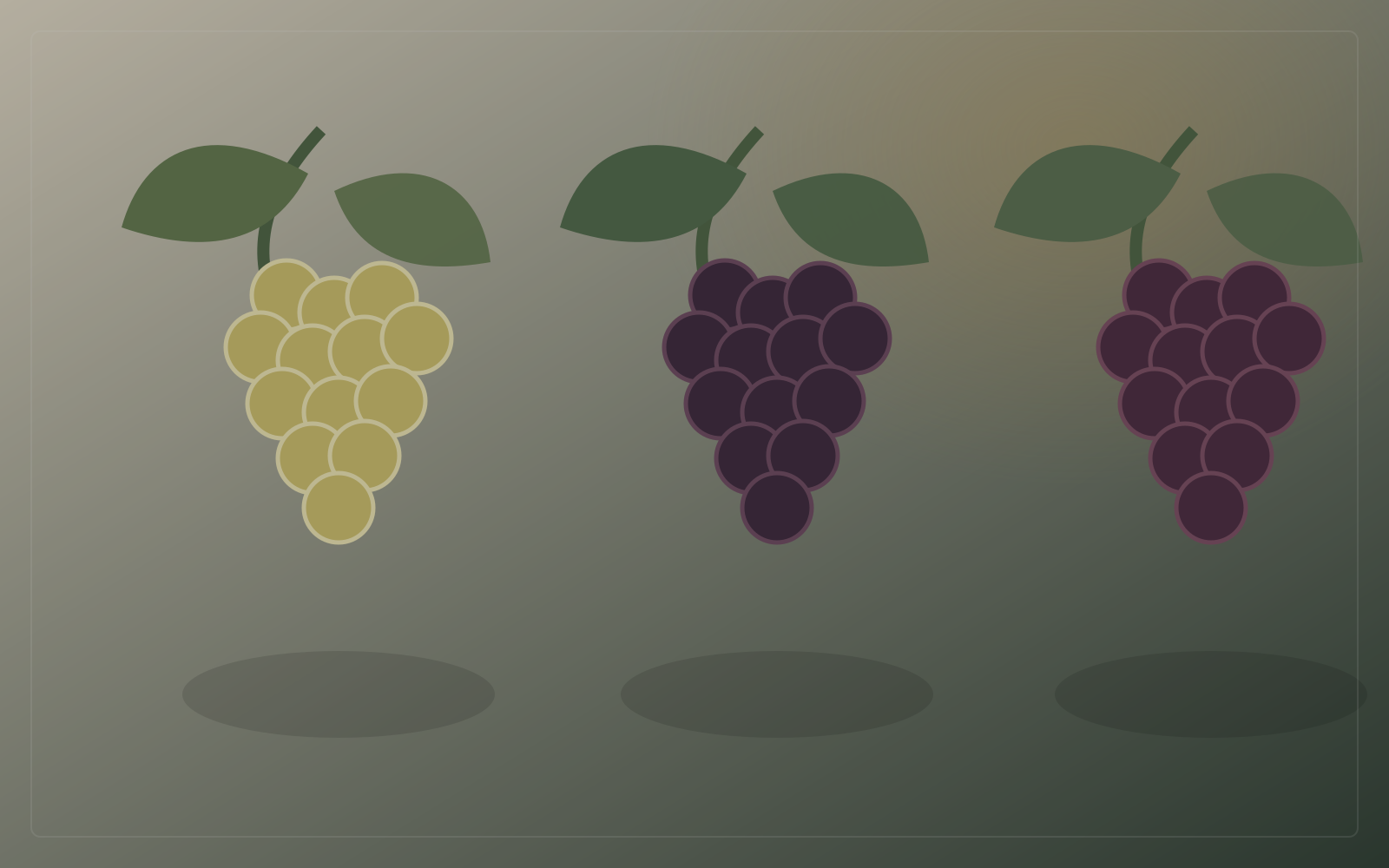
The Grapes of Champagne
Chardonnay, Pinot Noir and Meunier dominate, but the appellation has more permitted varieties. Here is what each contributes.
How Champagne is made
The cellar decisions behind the bubbles: blending, reserve wines, second fermentation, disgorgement and rosé methods.
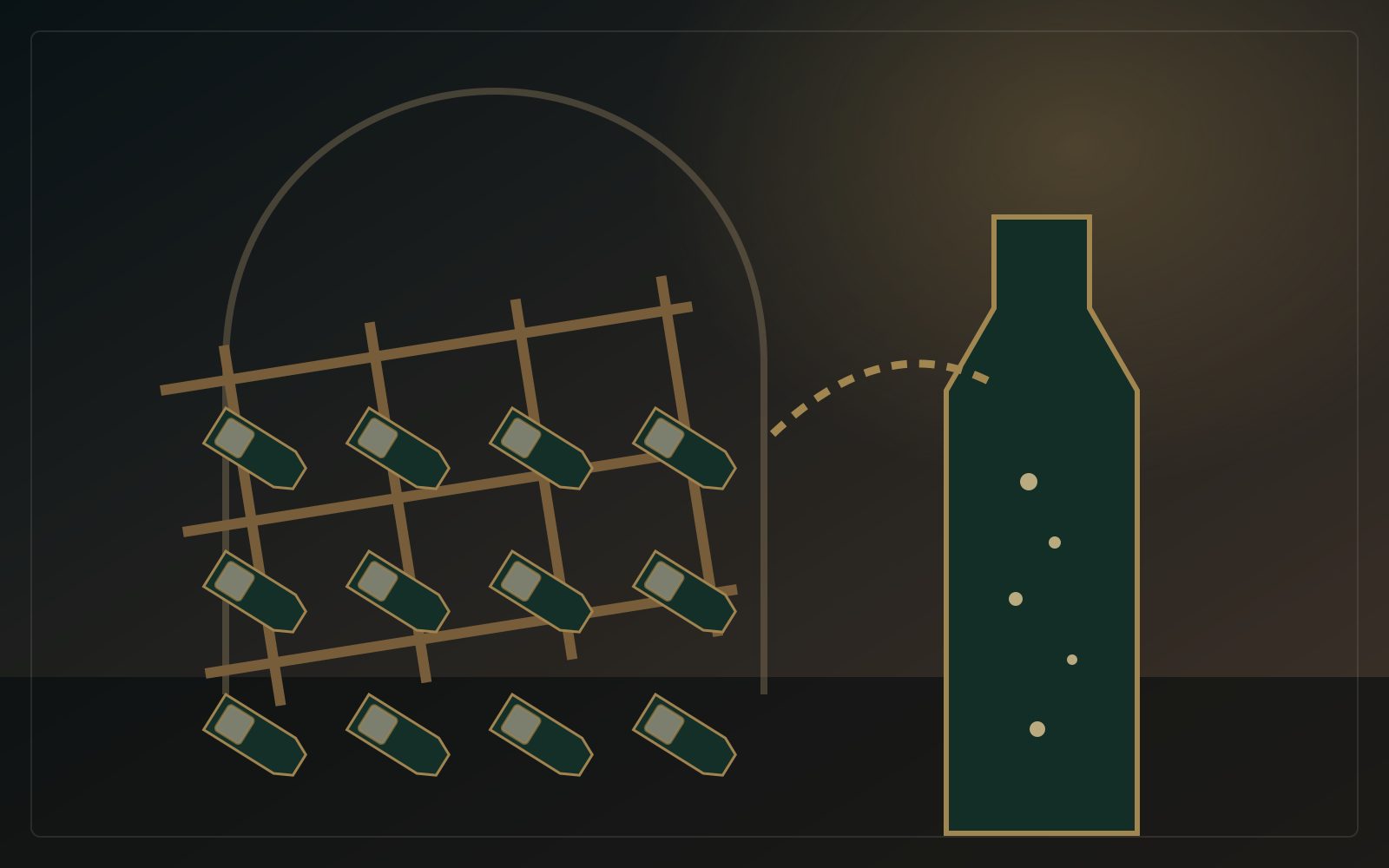
From pressing and base wines to second fermentation, lees ageing, riddling, disgorgement and dosage: the traditional method explained properly.
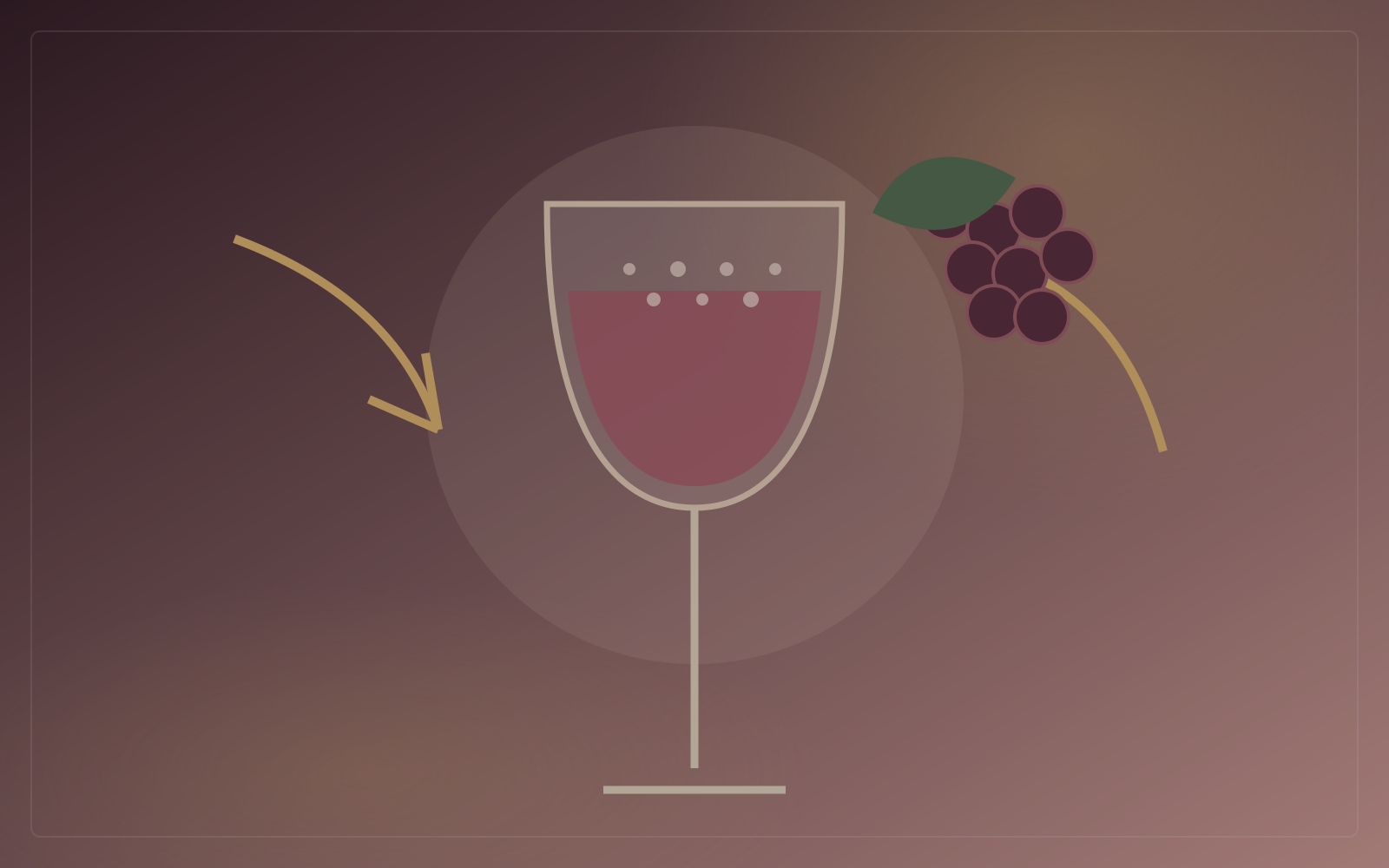
Rosé Champagne: Assemblage vs Saignée
Champagne rosé can be made in two fundamentally different ways. Understanding them explains far more than colour alone.
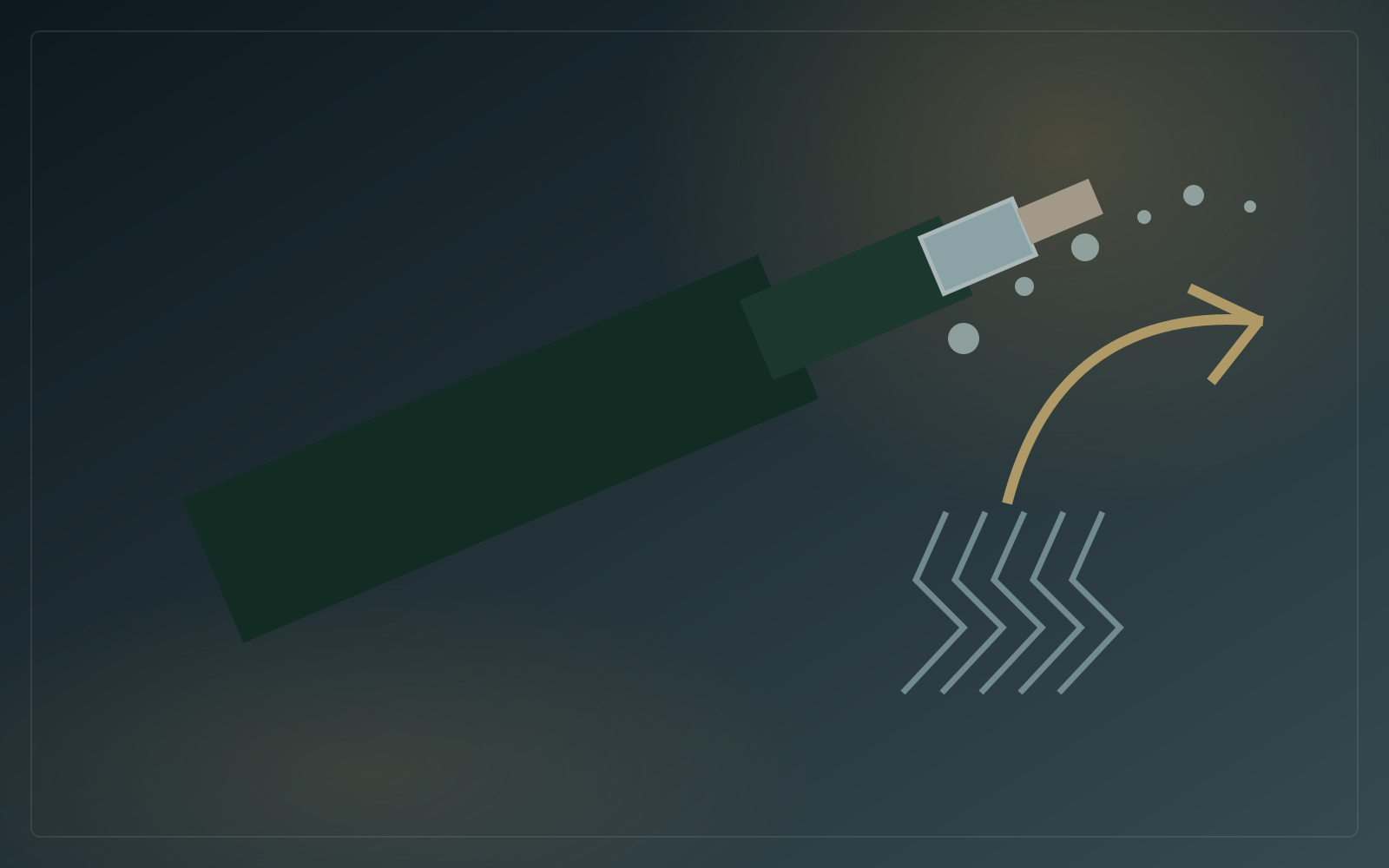
Disgorgement Date: Why It Matters
Disgorgement ends lees ageing and starts a new phase in the bottle. The date can be one of the most useful technical clues a producer gives you.
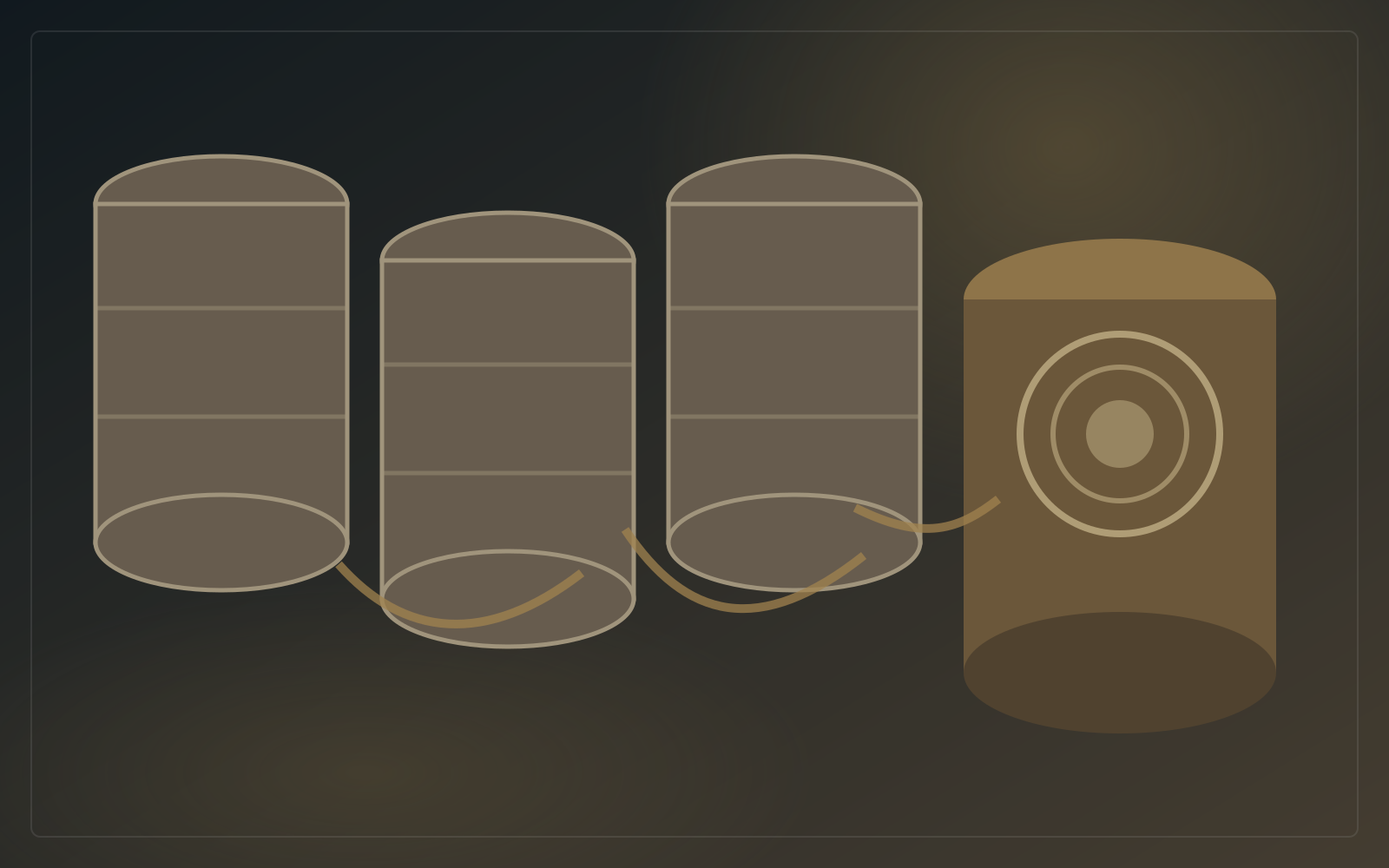
Reserve Wines and Perpetual Reserves
Reserve wine is one of Champagne’s most important blending tools. It can create consistency, complexity and a house signature across harvests.
Styles and producers
The differences that matter when comparing grapes, dosage, grower structures and flagship wines.
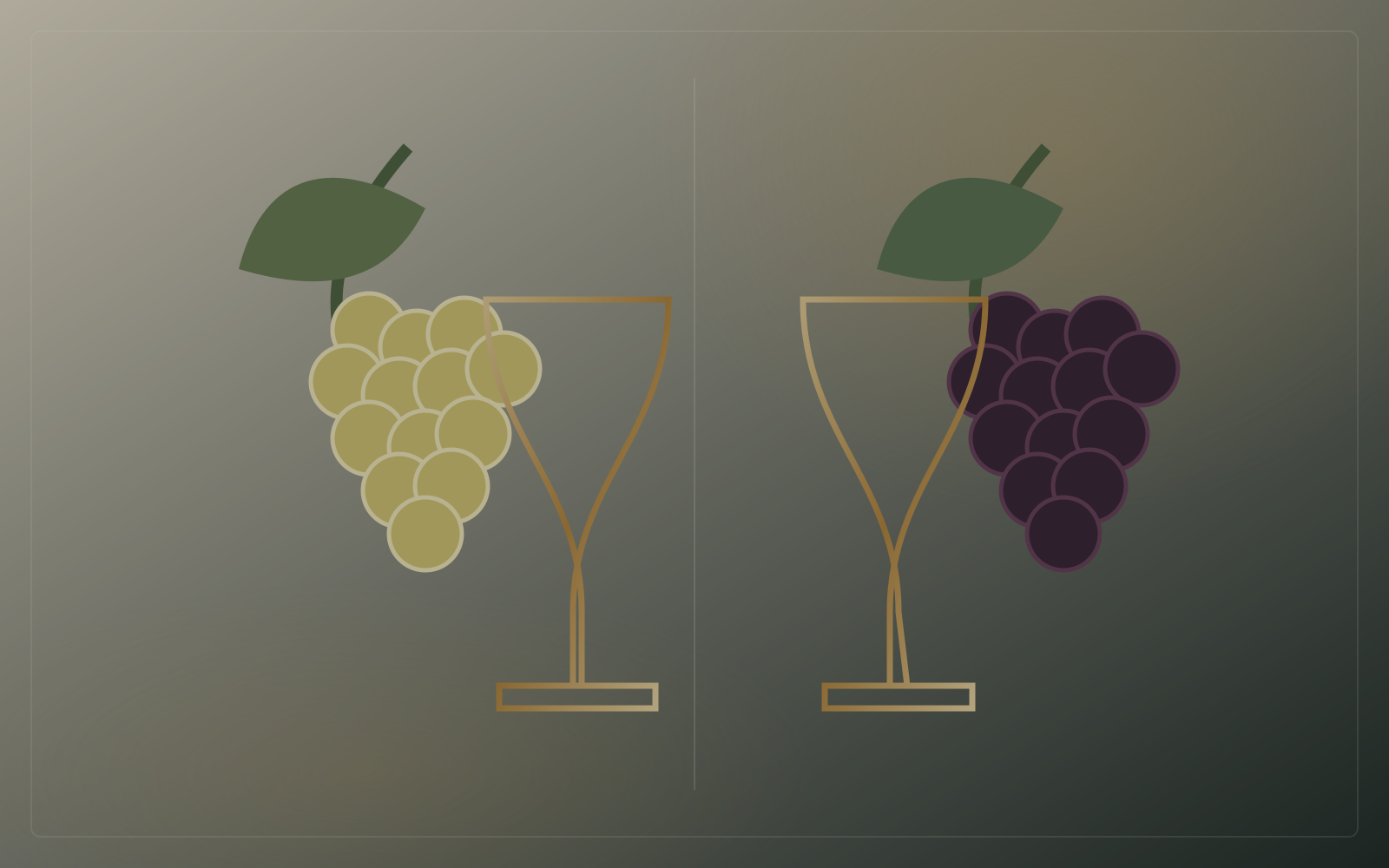
Both can be white Champagne. The difference is the colour of the grapes behind them, and that changes structure, aroma and food pairing.
Grower Champagne vs Champagne Houses
RM, NM and other producer codes reveal how a bottle reaches the market, but the grower-versus-house debate is more nuanced than the initials suggest.
Dosage Explained: What Happens After Disgorgement
Dosage adjusts the finished Champagne after disgorgement. It influences balance and sweetness, but low dosage is not a quality score.
What Is a Prestige Cuvée?
Prestige cuvée is not a regulated Champagne category. It is the producer’s flagship idea, and the substance behind the term varies dramatically.
Place and history
Villages, crus and the history behind one of the world's most tightly defined wine regions.
Montagne de Reims, Vallée de la Marne, Côte des Blancs and Côte des Bar are useful shorthand, but serious Champagne gets more local than that.
Grand Cru and Premier Cru Champagne Explained
These terms belong to Champagne’s village-based classification history. They matter, but not in the same way as Burgundy’s vineyard hierarchy.
A Short History of Champagne
Champagne was a wine region before it was a sparkling-wine icon. The modern bottle emerged through centuries of viticulture, trade, regulation and technical change.
Serving and cellaring
Practical knowledge for storing, opening, serving and matching Champagne with food.
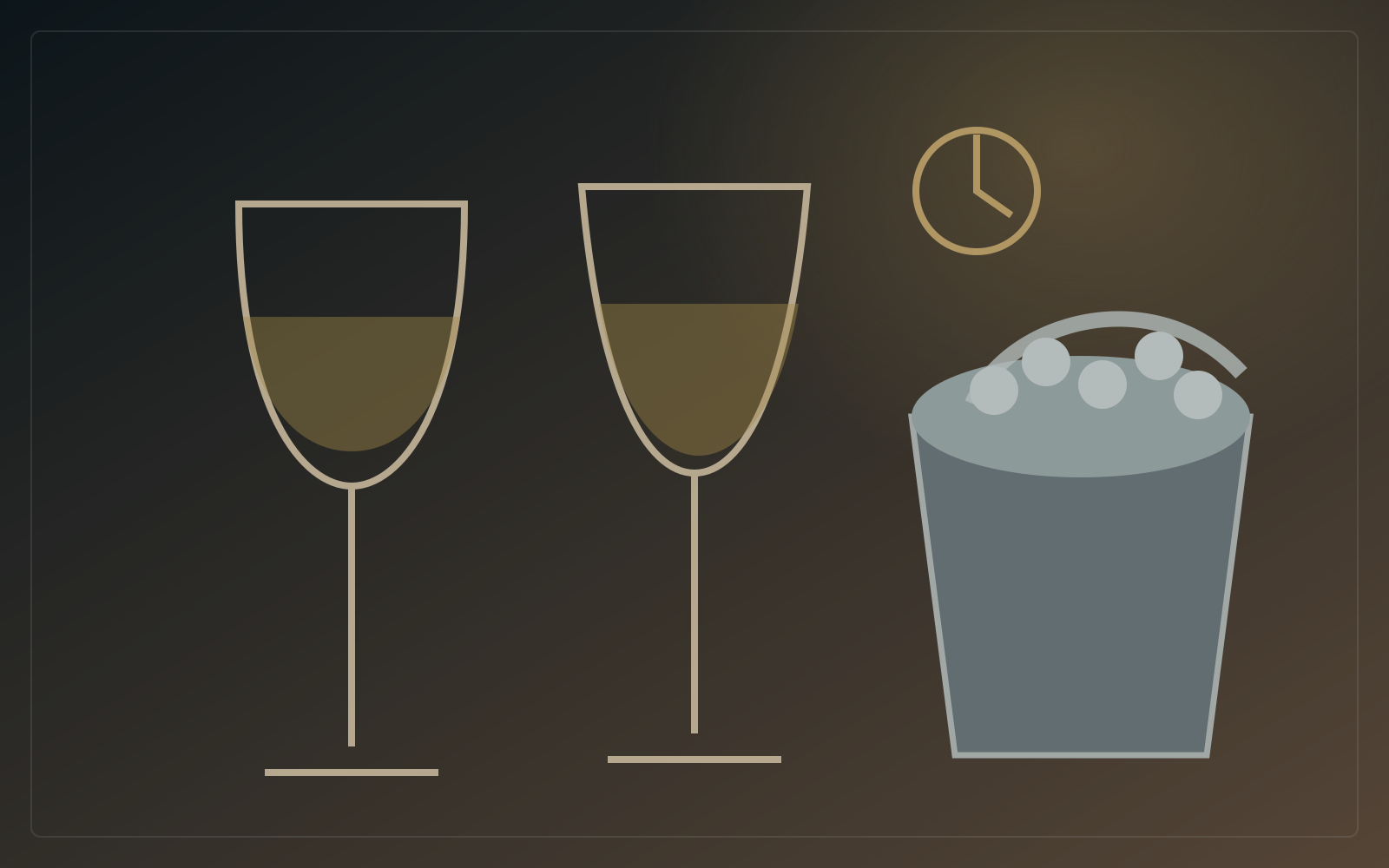
Too cold hides Champagne; too warm makes it feel broad. Glass shape matters too. Here is a practical way to serve serious bottles.
How Long Can Champagne Be Stored?
Non-vintage, vintage and prestige bottles age differently. Here is what actually matters in the cellar and what ageing changes in the glass.
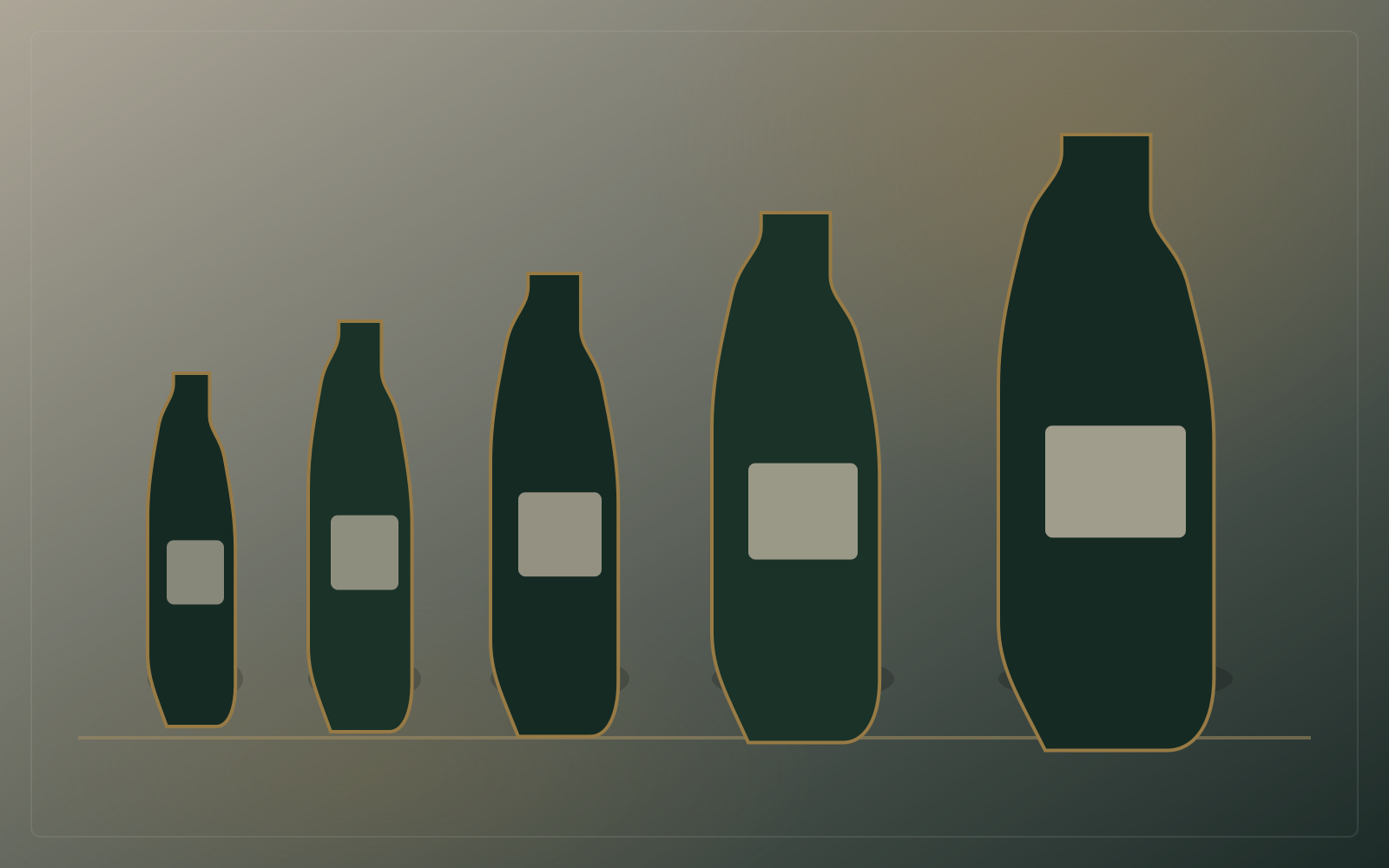
Champagne Bottle Sizes Explained
From half-bottles to magnums and celebration formats, bottle size changes more than the number of glasses.
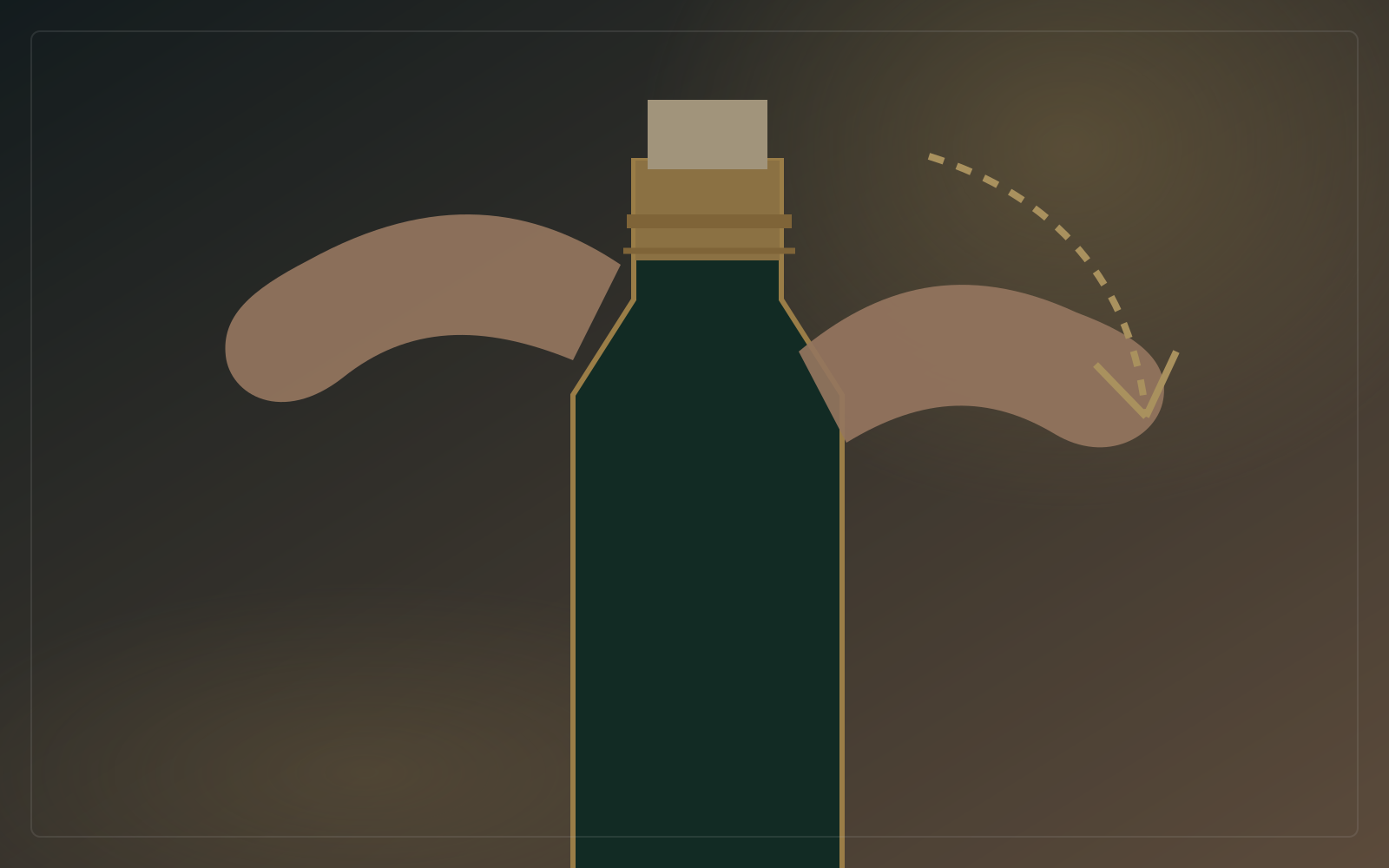
How to Open Champagne Properly
The safest opening is controlled and quiet: chill the bottle, control the cork and turn the bottle rather than the cork.
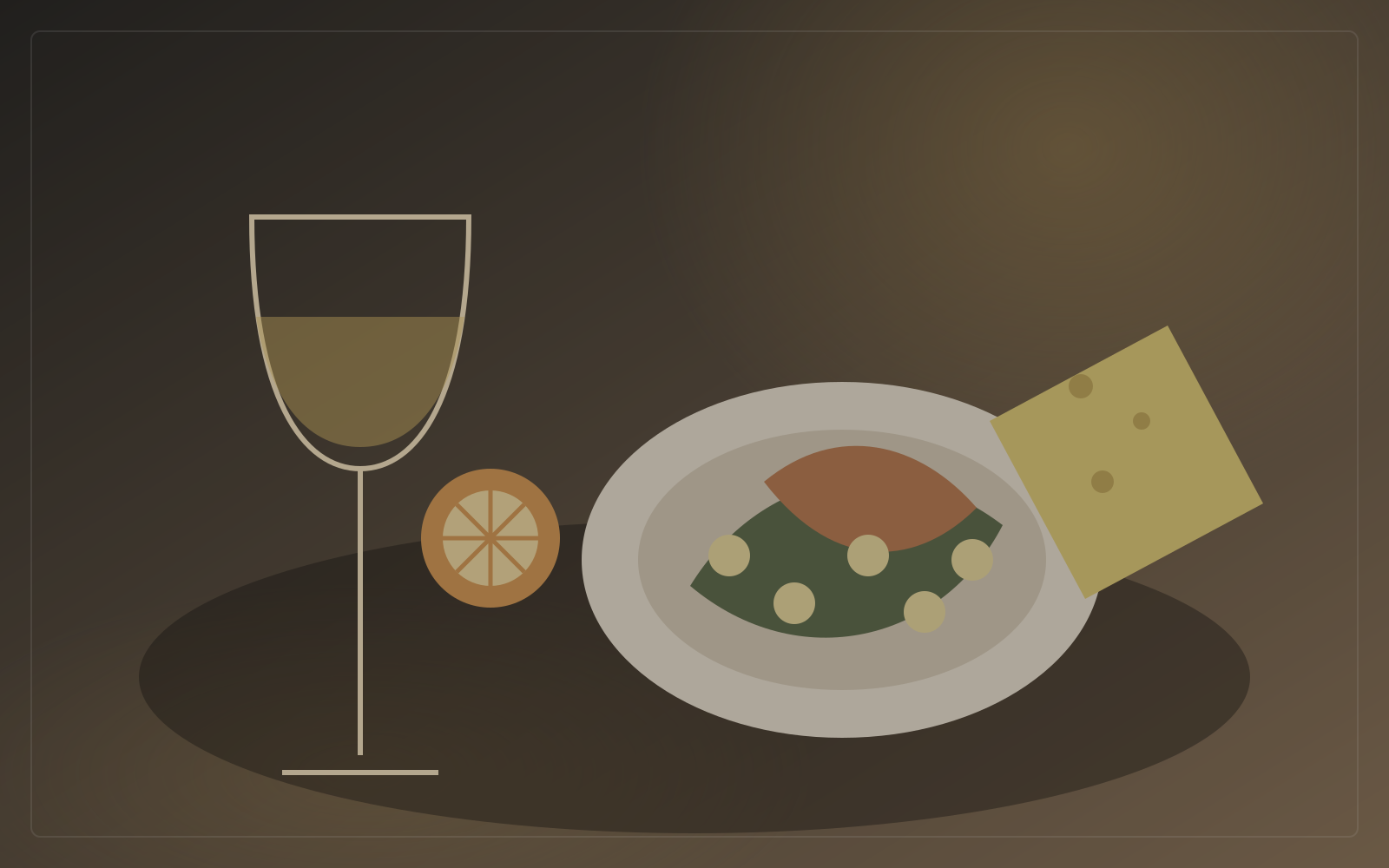
Champagne and Food: A Practical Pairing Guide
Champagne is one of the most versatile food wines. Acidity, bubbles, dosage and grape structure give you more options than oysters alone.