A Short History of Champagne
Champagne was a wine region before it was a sparkling-wine icon. The modern bottle emerged through centuries of viticulture, trade, regulation and technical change.
Published 2026-09-28
Champagne’s history is often reduced to the myth that one monk “invented” sparkling wine. The real story is more interesting: a northern wine region gradually learned to understand, control and commercialise a phenomenon that had once been unpredictable.
Before the bubbles
The region around Reims and Épernay had a wine history long before deliberately sparkling Champagne became dominant. Still wines were important and the area’s proximity to coronations, trade routes and Paris helped its reputation.
The late seventeenth century
Deliberate sparkling production developed in the late seventeenth century as stronger bottles, cork technology and greater understanding of secondary fermentation made the style more manageable.
Dom Pérignon is important in Champagne history for vineyard, pressing and blending work, but the evidence does not support the simplistic claim that he single-handedly invented sparkling Champagne.
Eighteenth- and nineteenth-century growth
Specialist Champagne houses expanded production and international trade. Riddling and disgorgement techniques improved clarity and consistency.
The nineteenth century also saw Champagne become deeply associated with celebration, luxury and export markets.
Phylloxera and organisation
Phylloxera reached Champagne in the late nineteenth century, forcing vineyard reconstruction. Growers and houses also organised collectively to protect the regional identity and production base.
The Association Viticole Champenoise was formed in 1898.
Defining the appellation
The twentieth century brought legal delimitation and stronger protection of the Champagne name. Key milestones culminated in formal appellation rules and the 1936 recognition framework.
Comité Champagne
The Comité Champagne, or CIVC, was created by law in 1941 to bring together growers and houses in the management and defence of the appellation.
Champagne today
Modern Champagne combines old institutions with rapid change: climate pressure, organic and regenerative farming, lower dosage, parcel wines, revived historic grapes, transparent technical data and a more visible grower movement.
Understanding the history explains why Champagne is simultaneously agricultural, industrial, artisanal and heavily regulated. No single romantic invention story can capture that.
Champagne Regions and Villages
Montagne de Reims, Vallée de la Marne, Côte des Blancs and Côte des Bar are useful shorthand, but serious Champagne gets more local than that.
Grower Champagne vs Champagne Houses
RM, NM and other producer codes reveal how a bottle reaches the market, but the grower-versus-house debate is more nuanced than the initials suggest.
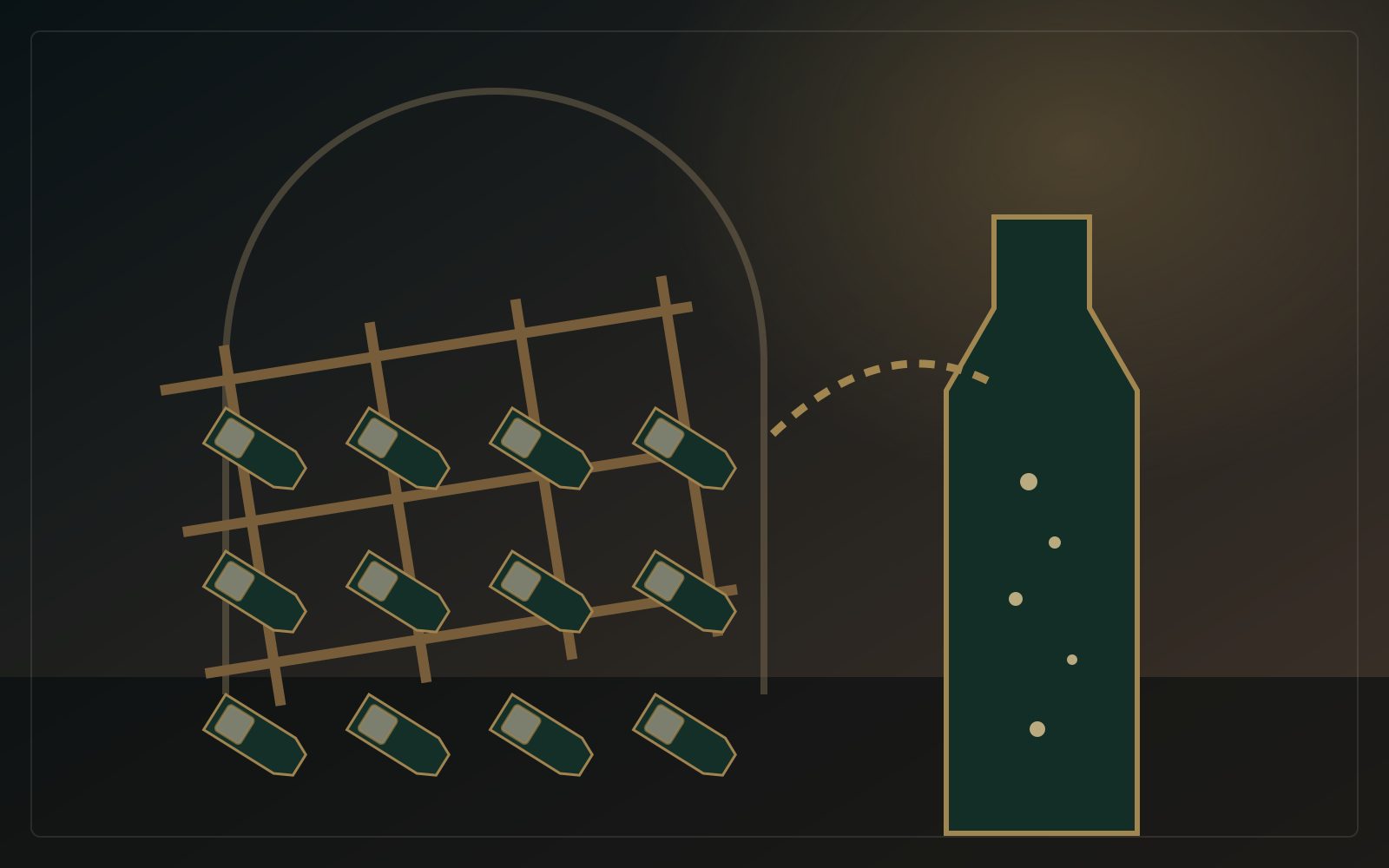
How Champagne Is Made
From pressing and base wines to second fermentation, lees ageing, riddling, disgorgement and dosage: the traditional method explained properly.