Grower Champagne vs Champagne Houses
RM, NM and other producer codes reveal how a bottle reaches the market, but the grower-versus-house debate is more nuanced than the initials suggest.
Published 2026-09-28
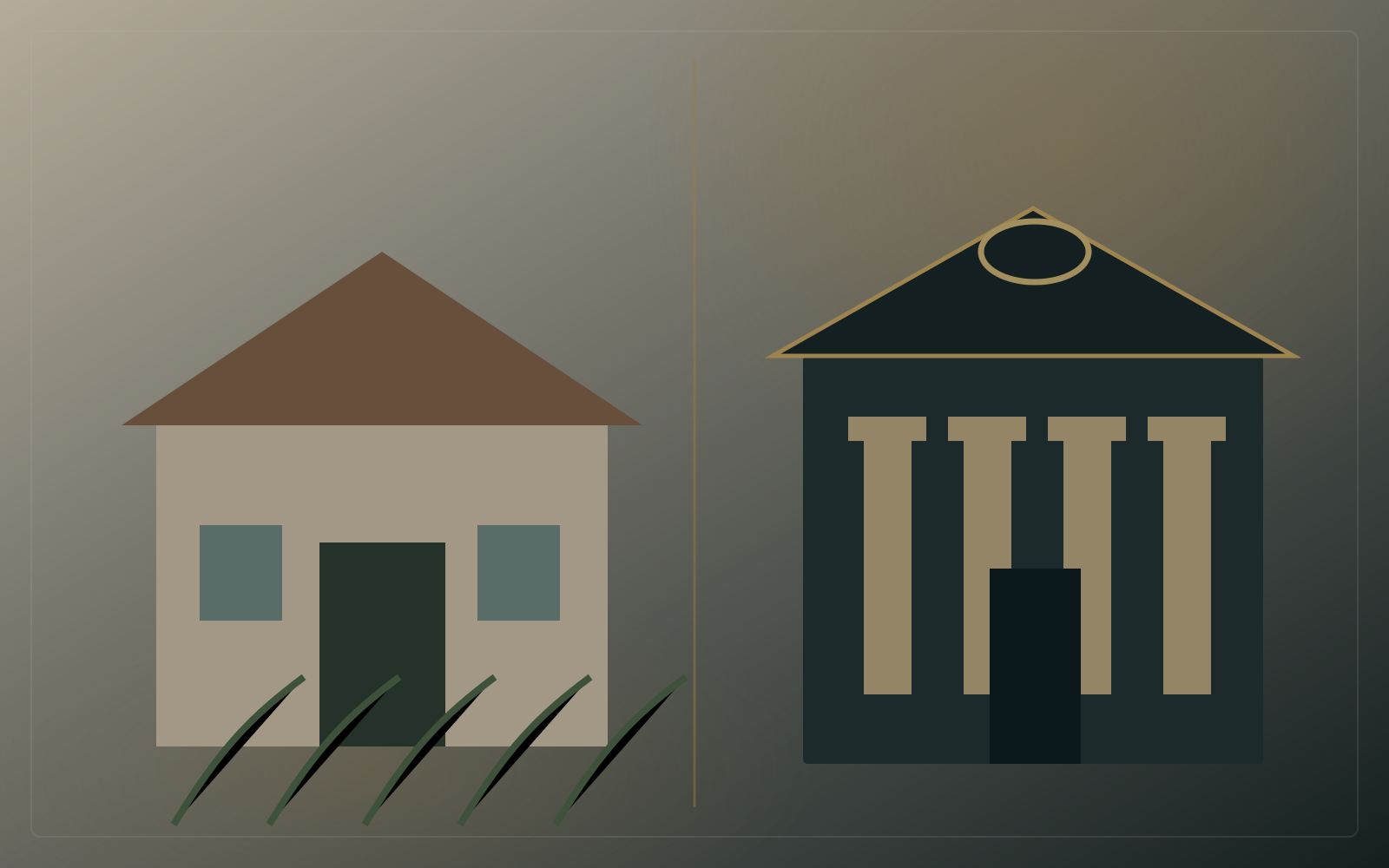
“Grower Champagne” is often used as shorthand for wines made by the people who farm the grapes, while “house Champagne” usually means a négociant house assembling fruit from a wider network. The distinction is useful, but Champagne’s producer structure is more varied than two camps.
The initials on the label
Professional registration codes can identify the producer category. Two of the best known are RM, Récoltant-Manipulant, and NM, Négociant-Manipulant.
Other codes cover cooperatives, cooperative growers, buyer-brands and related structures. The initials describe commercial/production structure; they are not a quality score.
Grower Champagne
A grower-producer typically works from a narrower vineyard base and can make wines that express a particular village, family holding or farming philosophy very directly.
That can make grower Champagne fascinating for people interested in terroir and individual style.
It can also mean greater vintage variation and smaller production.
Champagne houses
Large houses can source or own fruit across many villages. Their strength is often blending: access to a broad vineyard palette, substantial reserve-wine libraries and the ability to maintain a consistent house style.
Scale does not imply industrial mediocrity. Some of Champagne’s most meticulous and age-worthy wines come from major houses.
Cooperatives and other structures
Cooperatives can own serious technical facilities and work with fruit from many members. Some growers make wine through a cooperative and bottle under their own name. Buyer brands may commission wine from another producer.
The label code helps you understand this structure.
Which should you buy?
Buy the producer, not the ideology. A grower is not automatically artisanal excellence and a house is not automatically mass-market compromise.
Use the category to understand what the wine is trying to do. Growers often reward curiosity about place; houses often reward interest in blending, reserve wines and long-term consistency.
The most interesting Champagne cellar contains both.
How to Read a Champagne Label
Dryness, vintage, producer code, village, grape style and bottle information: the label can tell you much more than the brand name.
Champagne Regions and Villages
Montagne de Reims, Vallée de la Marne, Côte des Blancs and Côte des Bar are useful shorthand, but serious Champagne gets more local than that.
Reserve Wines and Perpetual Reserves
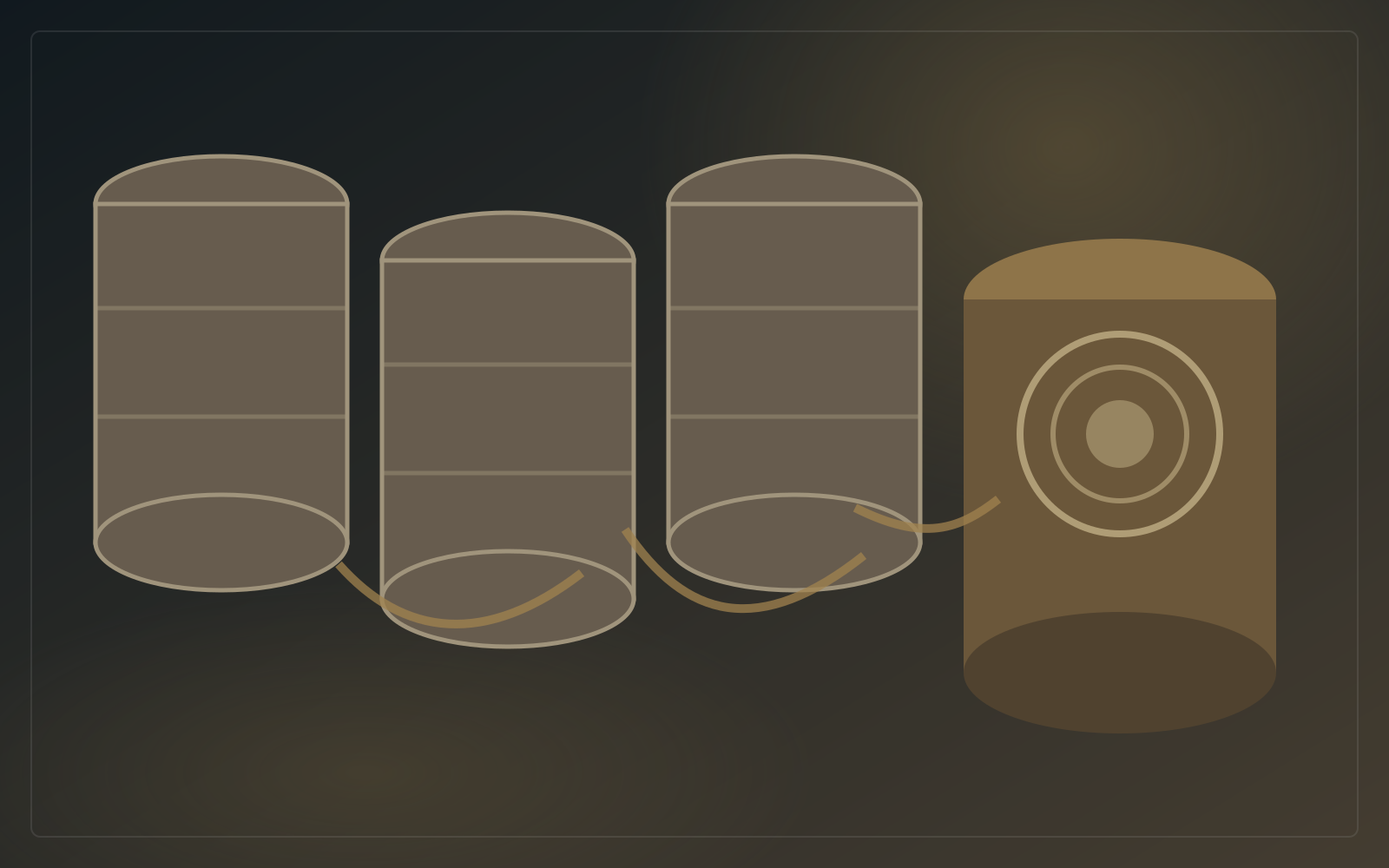
Reserve wine is one of Champagne’s most important blending tools. It can create consistency, complexity and a house signature across harvests.