Reserve Wines and Perpetual Reserves
Reserve wine is one of Champagne’s most important blending tools. It can create consistency, complexity and a house signature across harvests.
Published 2026-09-28
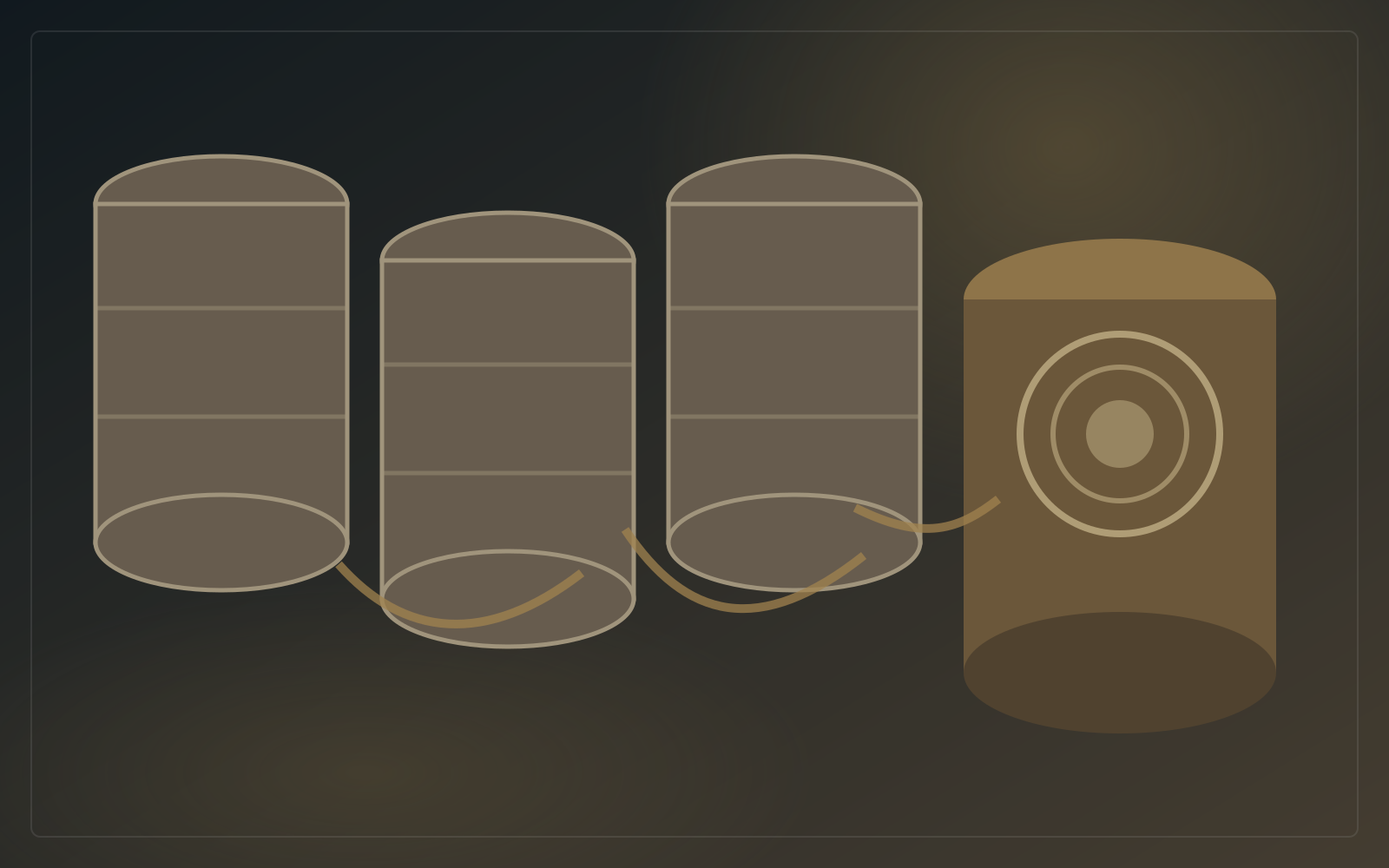
Reserve wine is Champagne held back from earlier harvests for use in later blends. It is one of the reasons a non-vintage wine can remain recognisable even when the weather changes from year to year.
Why producers keep reserve wine
A producer may want more maturity, breadth or continuity than the current harvest alone can provide. Adding older wine can supply those elements.
Reserve wine also gives the blender options. A warm, ripe year may need different support from a cool, high-acid year.
How reserve wines are stored
Methods vary. Stainless steel preserves freshness and separation. Oak can change texture and oxidation. Large vats can hold bigger volumes. Some producers maintain many individual reserve lots; others deliberately combine them.
The storage method is part of the producer’s style.
Perpetual reserve
A perpetual reserve is an evolving blend. Wine is drawn from it for the current blend and replenished with younger wine, so multiple harvests remain present over time.
It is sometimes casually called a solera, but the systems are not always identical to the formal fractional blending methods associated with Sherry. “Perpetual reserve” is often the more precise Champagne description unless the producer uses another term.
What reserve wine does to flavour
Older components can bring savoury depth, softer texture and developed aromas. Younger components can preserve energy and fruit.
The aim is not simply to make the wine taste older. Good blending uses reserve material without losing freshness.
Why it matters when comparing producers
Two non-vintage Bruts can have similar grape blends and dosage yet taste very different because their reserve strategies differ.
Ask how much reserve wine is used, how old it is, how it is stored and whether a perpetual system is involved. Those answers often reveal more than the front label.
Vintage vs Non-Vintage Champagne
The difference is much more than a year on the label. It changes blending, ageing, house style and what you should expect in the glass.
How Champagne Is Made
From pressing and base wines to second fermentation, lees ageing, riddling, disgorgement and dosage: the traditional method explained properly.
Grower Champagne vs Champagne Houses
RM, NM and other producer codes reveal how a bottle reaches the market, but the grower-versus-house debate is more nuanced than the initials suggest.