Vintage vs Non-Vintage Champagne
The difference is much more than a year on the label. It changes blending, ageing, house style and what you should expect in the glass.
Published 2026-09-28
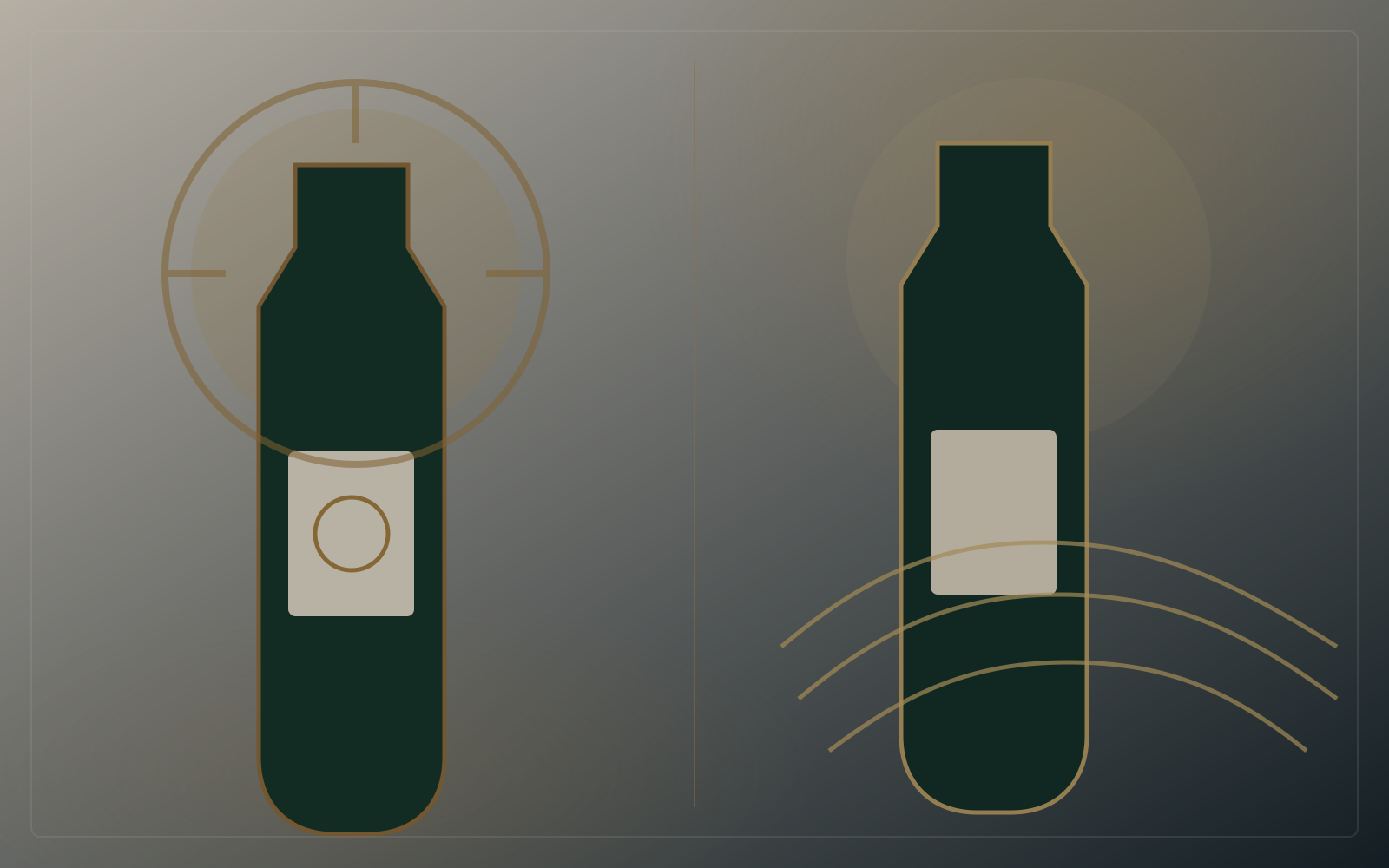
The simplest distinction is that vintage Champagne comes from one declared harvest, while non-vintage Champagne is normally blended across years. The more useful distinction is why producers make both.
Why non-vintage exists
Champagne is a northern wine region where harvest character can vary. Blending current wine with reserve wines from earlier years allows a producer to build continuity.
For a large house, non-vintage Brut is often the clearest statement of house style. For a grower, it may be the best introduction to the estate because it can combine several parcels and years into one deliberate expression.
What “vintage” means
A vintage Champagne is tied to one harvest. The producer decides whether that year is suitable for a vintage release and then ages the wine longer than the non-vintage minimum.
The year on the label therefore matters, but vintage Champagne is not simply “non-vintage with a date”. The blend, selection and ageing strategy can be different from the start.
Reserve wines
Reserve wine is one of the key tools behind non-vintage consistency and complexity. Some producers hold wines from many previous harvests. Others use a perpetual reserve in which a blend is refreshed year after year.
Reserve strategy can tell you a great deal about a producer’s style.
Ageing
Vintage Champagne has a longer minimum ageing requirement and is frequently held much longer in practice. This can bring deeper lees-derived character before release.
Non-vintage wines can also receive extended ageing. The category alone never tells you the whole story; technical information from the producer is more useful.
Which is “better”?
Neither category wins automatically. A great non-vintage blend can be more complex than an average vintage wine. Vintage Champagne gives you a stronger sense of a particular harvest; non-vintage gives the producer more freedom to build consistency and house identity.
What to buy
Choose non-vintage when you want to understand the producer’s core style or need a versatile bottle for drinking now. Choose vintage when you are interested in a particular year, longer pre-release ageing or a more harvest-specific expression.
The smartest comparison is often within the same producer: core non-vintage beside vintage. That removes much of the noise and lets you see what the year and ageing really changed.
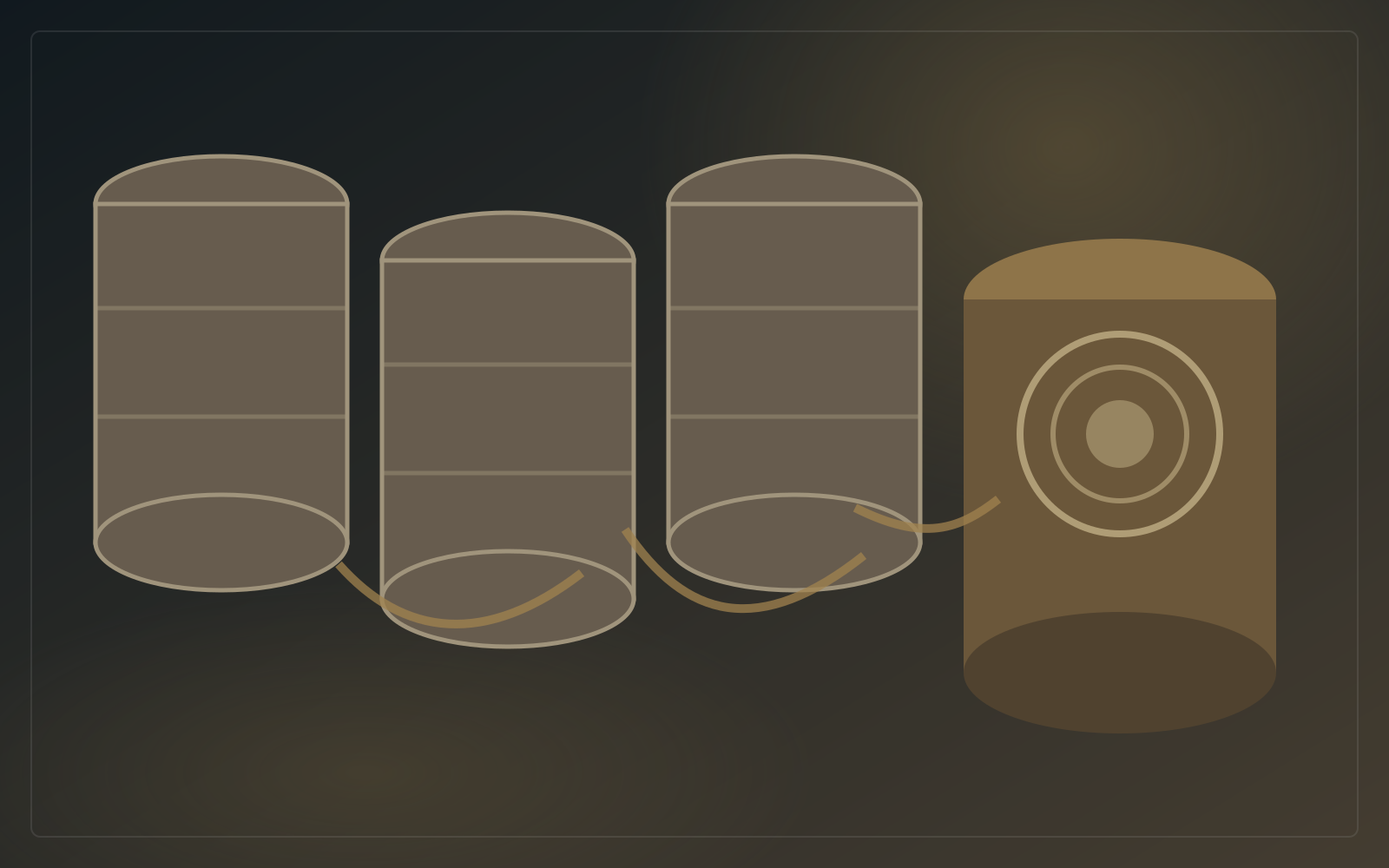
Reserve Wines and Perpetual Reserves
Reserve wine is one of Champagne’s most important blending tools. It can create consistency, complexity and a house signature across harvests.
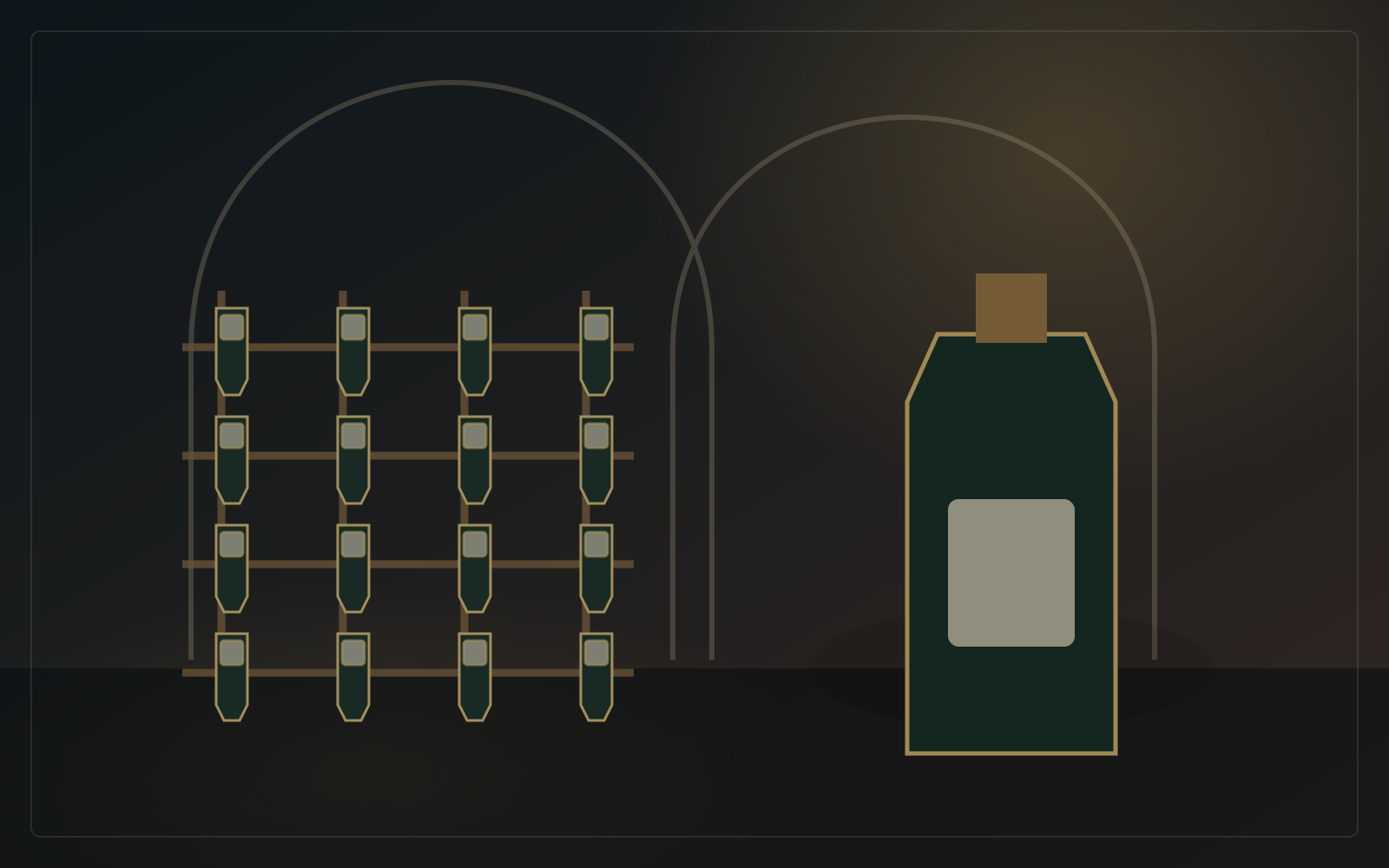
How Long Can Champagne Be Stored?
Non-vintage, vintage and prestige bottles age differently. Here is what actually matters in the cellar and what ageing changes in the glass.
What Is a Prestige Cuvée?
Prestige cuvée is not a regulated Champagne category. It is the producer’s flagship idea, and the substance behind the term varies dramatically.