How Long Can Champagne Be Stored?
Non-vintage, vintage and prestige bottles age differently. Here is what actually matters in the cellar and what ageing changes in the glass.
Published 2026-09-28
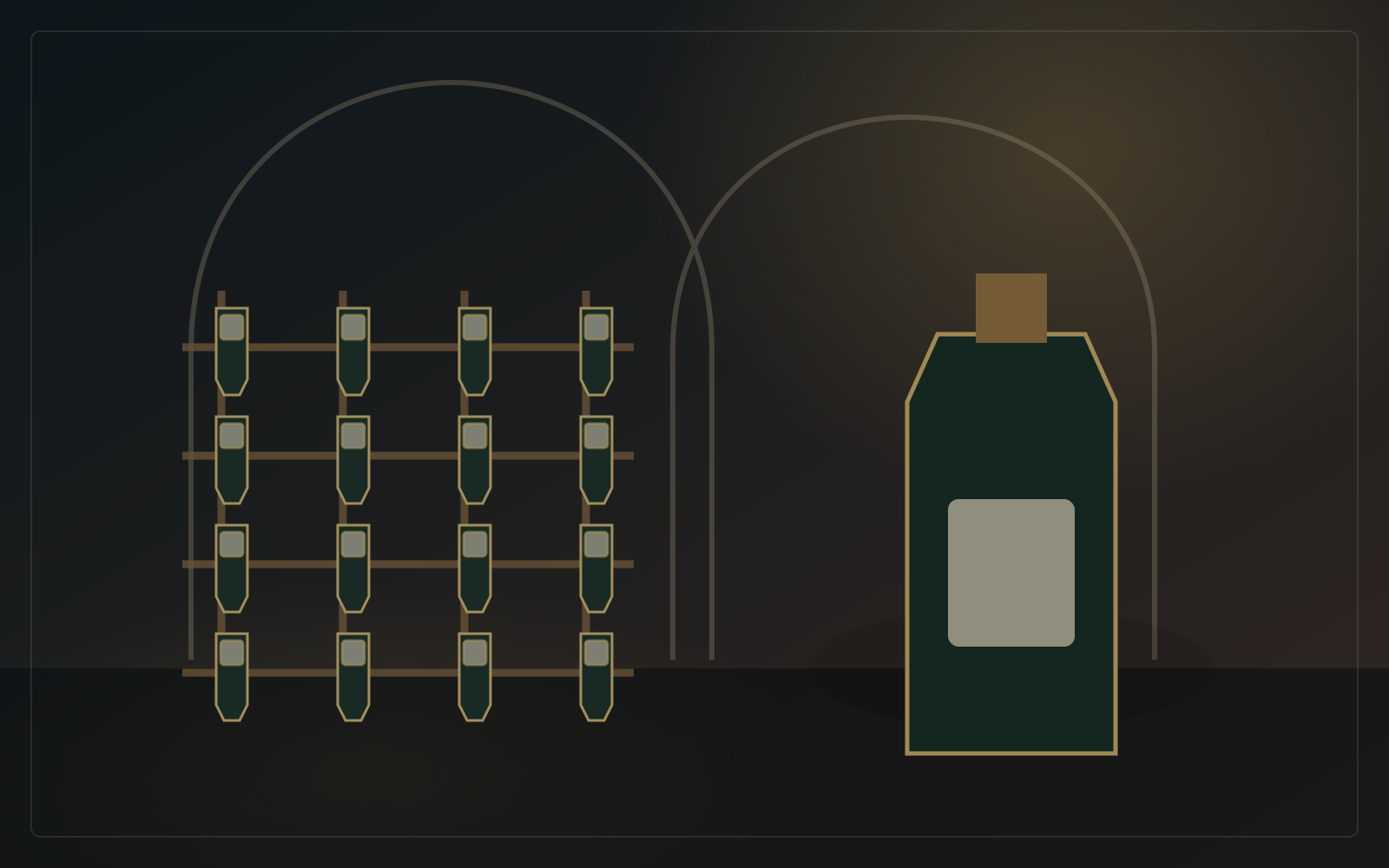
Champagne is released as a finished wine, but that does not mean it stops changing. The useful question is not simply “How long will it keep?” but “What kind of Champagne is it, how was it stored, and do you prefer the fresher or more mature expression?”
Non-vintage Champagne
Most non-vintage Champagne is released ready to drink. Good bottles can continue to develop for years after purchase when storage is stable.
With age, fresh citrus and apple can move toward baked fruit, nuts, pastry and savoury notes. The mousse often feels softer. Whether that is an improvement is a matter of taste.
Vintage Champagne
Vintage Champagne is made from one declared harvest and is aged longer before release. It is often better equipped for further bottle ageing because the producer selected the year and built the wine with longer development in mind.
That does not mean every vintage bottle should be kept for decades. Producer, vintage, grape mix, dosage, cork condition and storage all matter.
Prestige cuvées
Prestige bottlings are often among a producer’s most age-worthy wines, but the term itself is not a legal guarantee. Some are designed around power and long development; others prioritise precision and can be beautiful while relatively young.
What ageing changes
Young Champagne often emphasises primary fruit, floral character and energetic acidity. Mature bottles can develop toast, honey, dried fruit, nuts, spice and a more vinous texture.
Bubbles usually become less aggressive with age. A very old bottle may have noticeably lower pressure and can drink more like a fine still wine with a gentle bead.
The storage conditions that matter
Keep bottles cool, dark, still and at a stable temperature. The Comité Champagne’s storage guidance emphasises protection from light, vibration and temperature variation.
A stable cellar around 10–15°C is a sensible target. Consistency matters more than chasing one exact number.
Upright or on the side?
For ordinary home cellaring, the bigger risks are heat, light and vibration rather than the precise angle of the bottle. If you have a proper wine cellar, either established Champagne-storage practice can work. Do not sacrifice temperature stability merely to achieve a preferred orientation.
Buying older bottles
Provenance matters enormously. A bottle that spent ten years in a cool professional cellar is a different proposition from one that sat upright in a warm shop window.
For mature Champagne, storage history can be more important than the label.
When should you open it?
If you love freshness, drink earlier. If you enjoy tertiary, savoury complexity, wait longer. When in doubt, the producer’s release and cellaring guidance is the best starting point.
For multiple bottles of the same wine, the most useful strategy is to open them over time. That teaches you more than any universal drinking-window rule.
Vintage vs Non-Vintage Champagne
The difference is much more than a year on the label. It changes blending, ageing, house style and what you should expect in the glass.
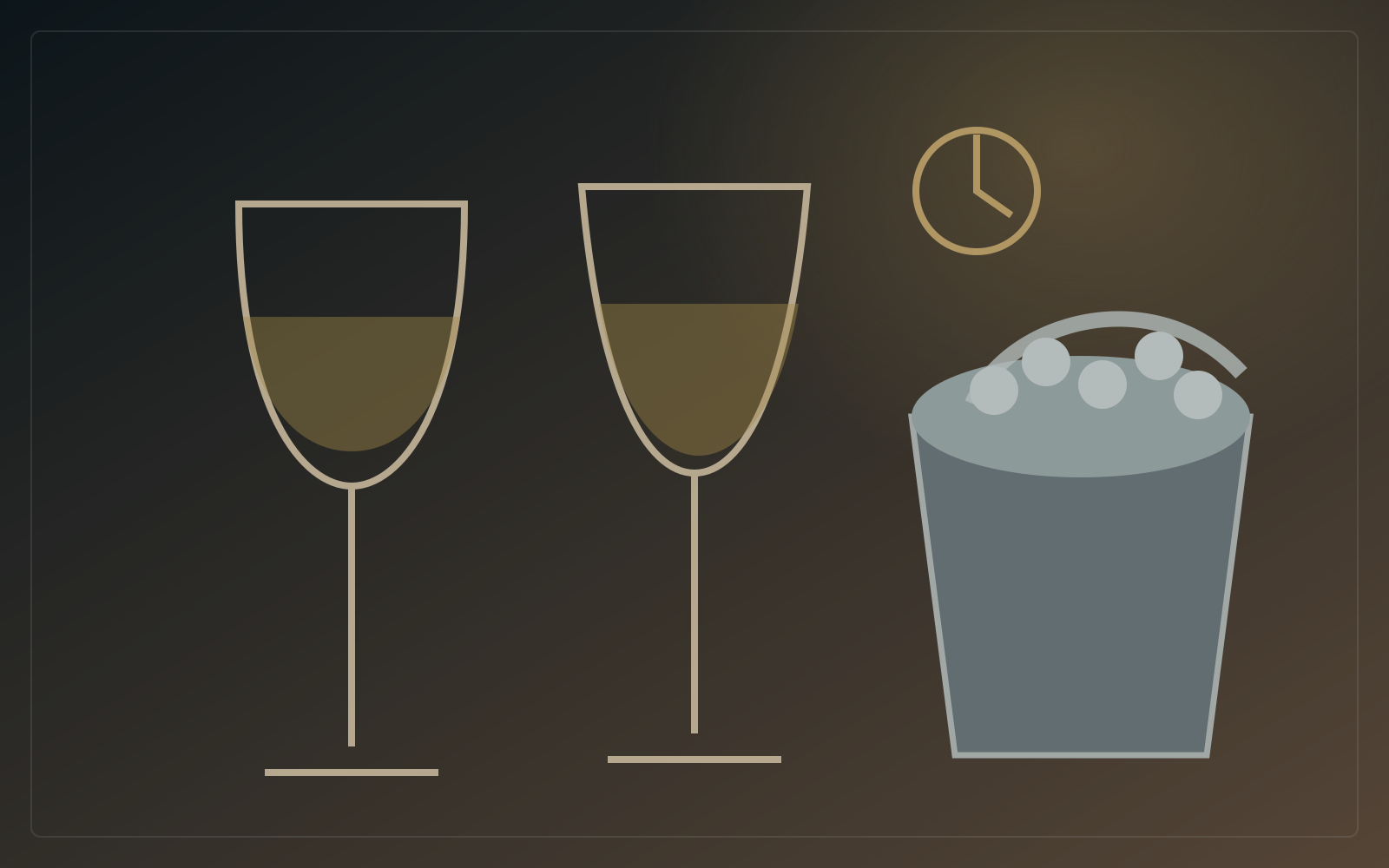
Serving Temperature and Glassware
Too cold hides Champagne; too warm makes it feel broad. Glass shape matters too. Here is a practical way to serve serious bottles.
What Is a Prestige Cuvée?
Prestige cuvée is not a regulated Champagne category. It is the producer’s flagship idea, and the substance behind the term varies dramatically.