Rosé Champagne: Assemblage vs Saignée
Champagne rosé can be made in two fundamentally different ways. Understanding them explains far more than colour alone.
Published 2026-09-28
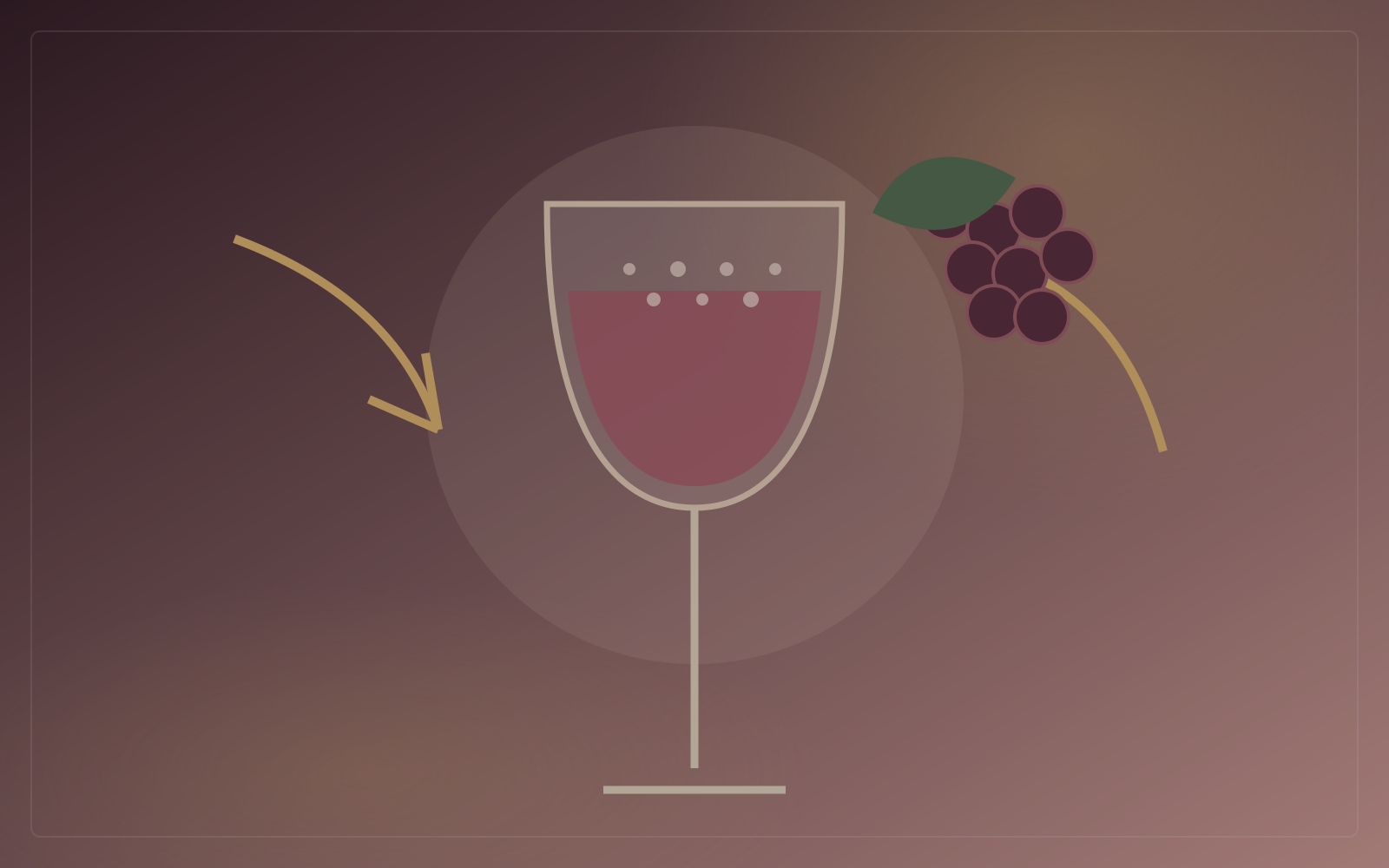
Rosé Champagne is unusual because the appellation permits two distinct routes to pink wine. One blends white Champagne base wine with still red wine. The other extracts colour directly from black grape skins.
Rosé d’assemblage
Assemblage means blending. A producer makes white base wines and adds a measured proportion of still red wine, usually from Pinot Noir or Meunier grown within the Champagne appellation.
The method gives the producer precise control over colour and structure. It is widely used by houses and growers.
Rosé de saignée
Saignée takes a different route. Black grapes remain in contact with their skins for a limited period so colour, aroma and phenolic material move into the juice.
Timing is critical. Too little maceration gives little colour; too much can change structure dramatically.
Does one method taste better?
No. Saignée is sometimes marketed as more serious because it feels closer to red-wine making, but quality depends on fruit and execution.
Assemblage can produce extraordinarily complex rosé because the producer can separately optimise the white blend and the red component before bringing them together.
Typical differences
Saignée often gives deeper colour and more obvious red-fruit or vinous structure. Assemblage can range from very pale and delicate to powerful, depending on the base wines and red-wine proportion.
These are tendencies, not guarantees.
Food
Rosé Champagne is one of the most flexible Champagne styles at the table. Lighter examples work with salmon, tuna and charcuterie. More structured wines can handle duck, veal or dishes with mushrooms and gentle spice.
What the label tells you
The label may not always shout the production method. Producer technical sheets are often the best place to confirm whether the wine is assemblage or saignée.
What to compare
Taste two rosés from the same producer if they make both methods, or compare similar-quality wines with the production method known. Focus on texture, tannic impression, fruit profile and how the wine behaves with food rather than simply judging colour.
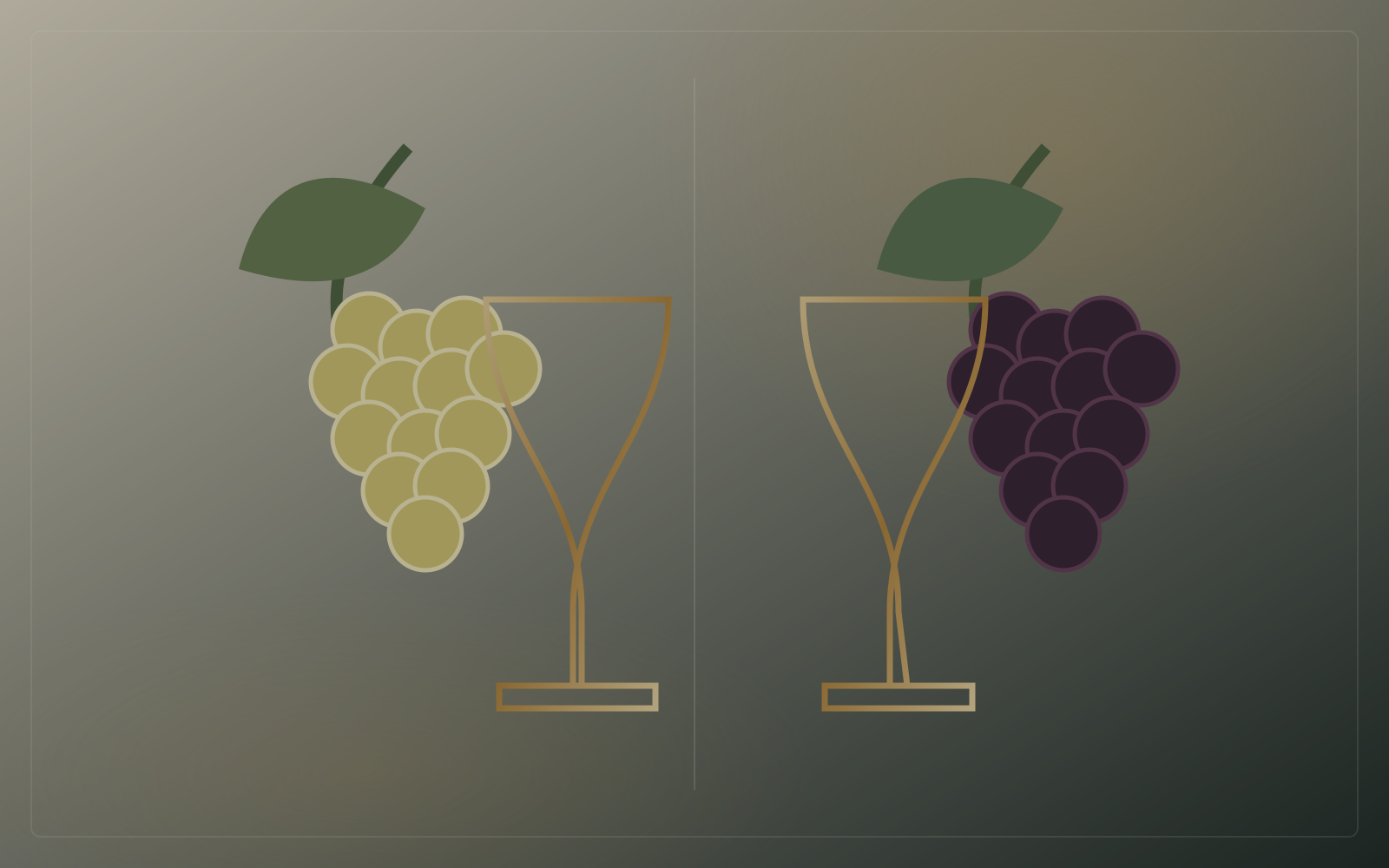
Blanc de Blancs vs Blanc de Noirs
Both can be white Champagne. The difference is the colour of the grapes behind them, and that changes structure, aroma and food pairing.
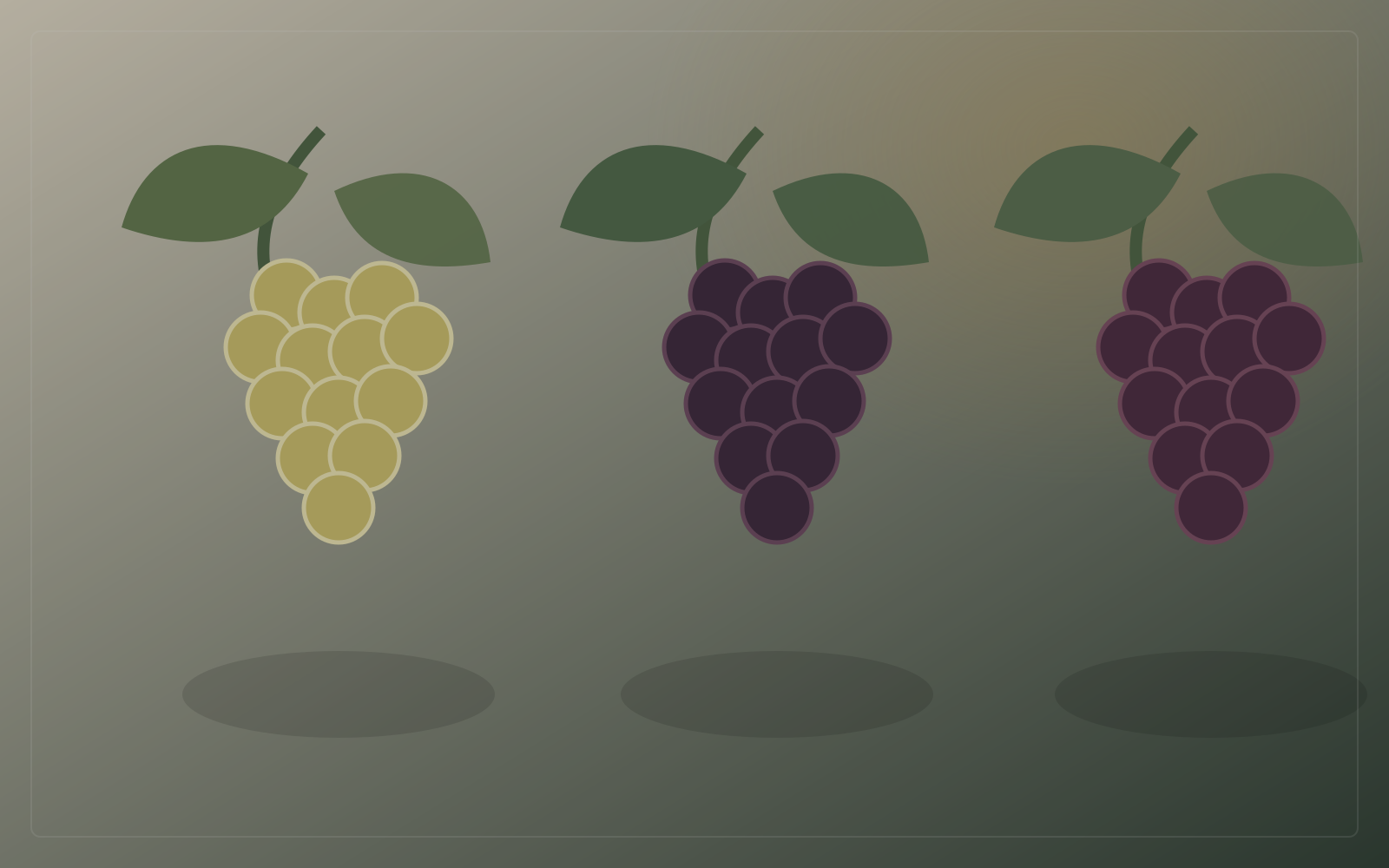
The Grapes of Champagne
Chardonnay, Pinot Noir and Meunier dominate, but the appellation has more permitted varieties. Here is what each contributes.
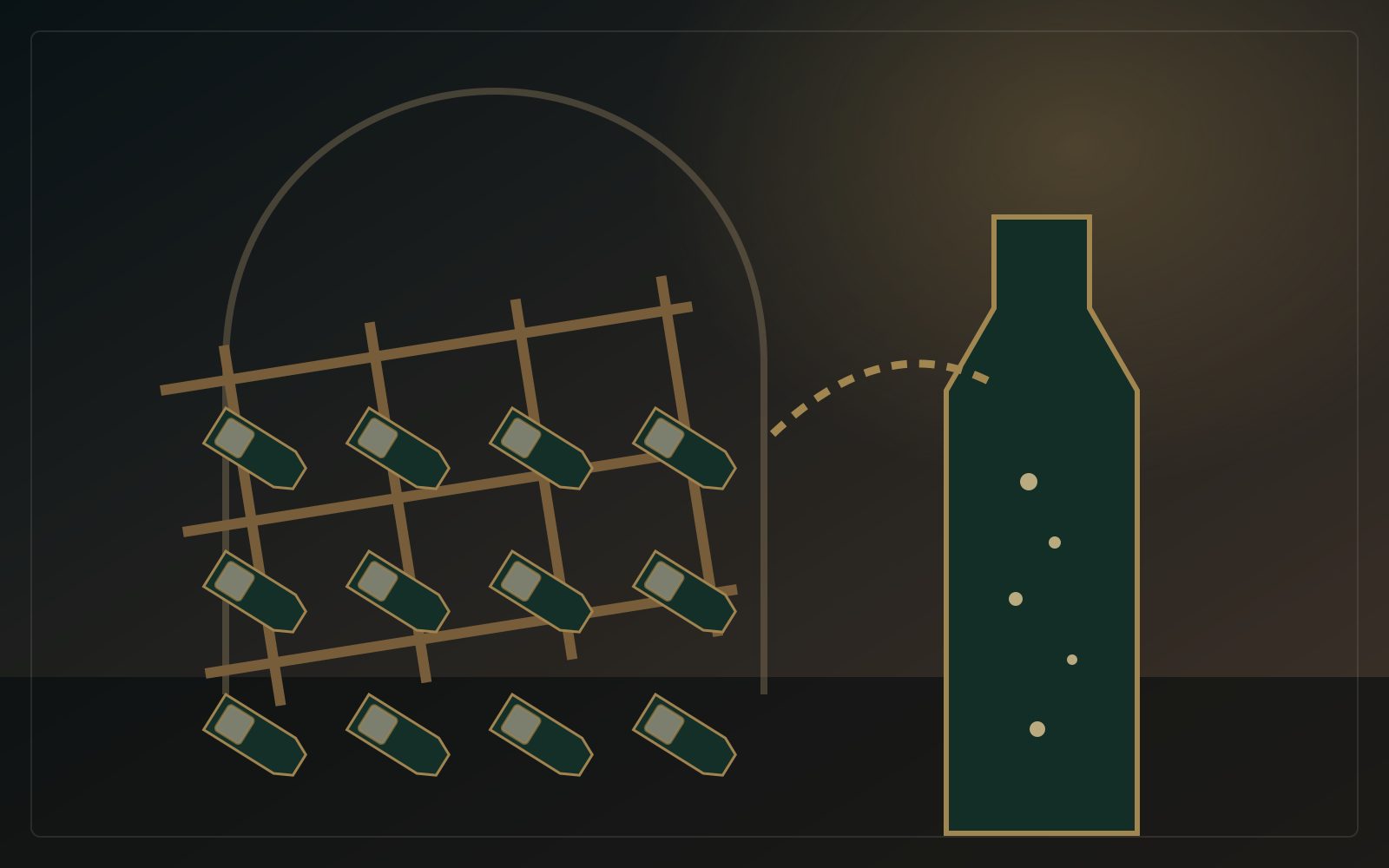
How Champagne Is Made
From pressing and base wines to second fermentation, lees ageing, riddling, disgorgement and dosage: the traditional method explained properly.