Disgorgement Date: Why It Matters
Disgorgement ends lees ageing and starts a new phase in the bottle. The date can be one of the most useful technical clues a producer gives you.
Published 2026-09-28
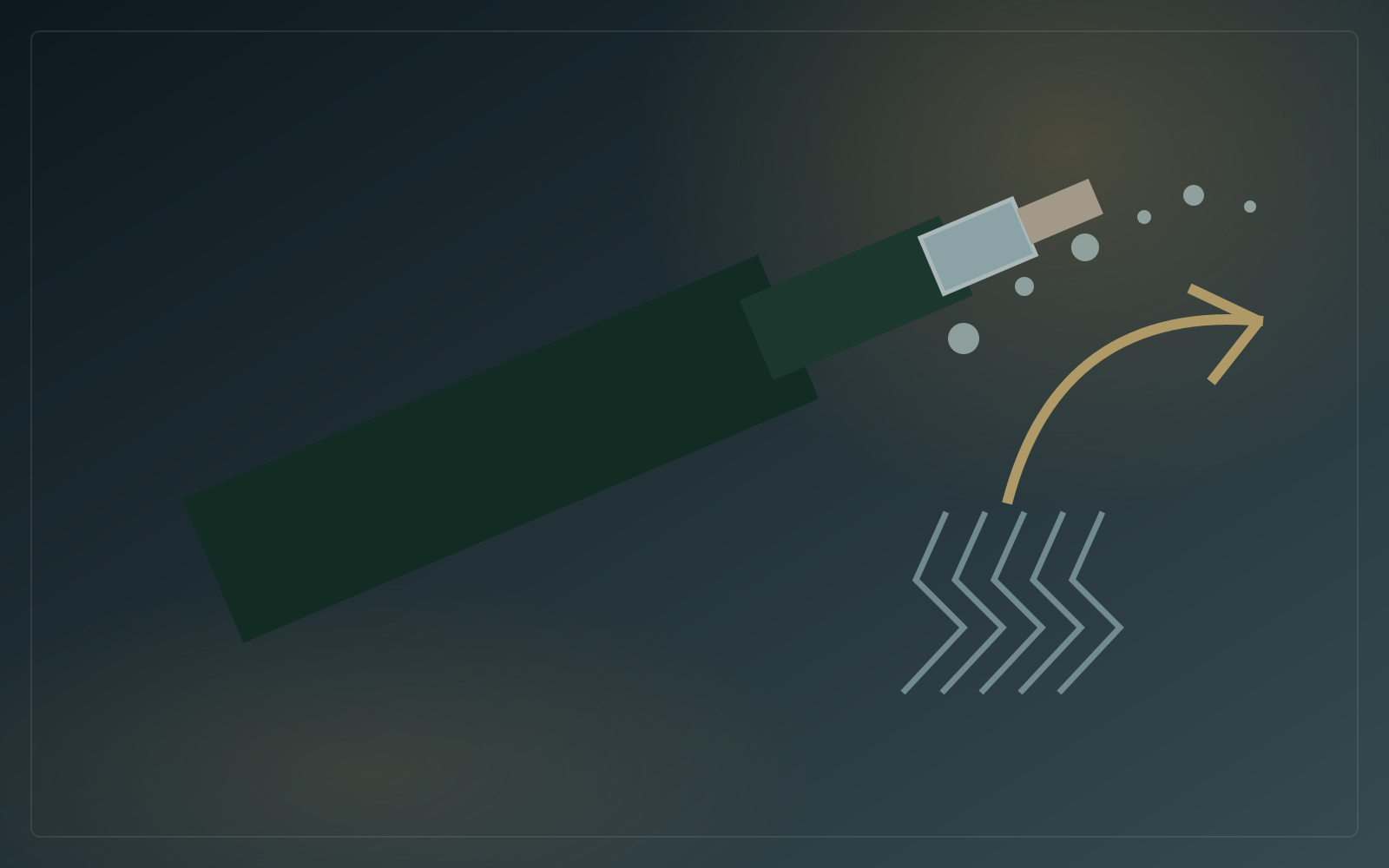
Disgorgement is the moment when the yeast sediment created by the second fermentation is removed from the bottle. The date matters because it divides two different kinds of ageing.
Before disgorgement
Before disgorgement, Champagne ages on its lees under pressure. The wine interacts with spent yeast and develops texture and autolytic aromas.
Long lees ageing can contribute pastry, bread, toast and savoury complexity, although the result depends on the base wine and cellar conditions.
The disgorgement process
After riddling has moved the sediment into the neck, that section of the bottle is chilled. The temporary closure is removed and pressure ejects the frozen sediment plug.
The bottle is then topped up, receives dosage if required, and is closed with its final cork and wire cage.
After disgorgement
Once the lees are removed, the wine begins a different phase. Oxygen exposure at disgorgement is small but not irrelevant, and the fresh cork and dosage need time to integrate.
Many producers hold bottles for a period after disgorgement before sale.
Why the date helps
If two bottles are nominally the same cuvée but were disgorged years apart, they may not taste identical. The base blend, time on lees and post-disgorgement age can differ.
A disgorgement date is therefore useful context for repeat purchases and mature bottles.
Is fresher always better?
No. Recently disgorged Champagne can feel taut or unsettled. Some drinkers prefer more post-disgorgement development.
Equally, a very old disgorgement is not automatically superior. Storage after release matters.
Where to find it
Some producers print the date on the back label. Others use a lot code or QR-linked technical information. Many provide no public disgorgement date at all.
When it is available, record it. It is one of the best ways to understand exactly which release you are drinking.
How Champagne Is Made
From pressing and base wines to second fermentation, lees ageing, riddling, disgorgement and dosage: the traditional method explained properly.
How Long Can Champagne Be Stored?
Non-vintage, vintage and prestige bottles age differently. Here is what actually matters in the cellar and what ageing changes in the glass.
Dosage Explained: What Happens After Disgorgement
Dosage adjusts the finished Champagne after disgorgement. It influences balance and sweetness, but low dosage is not a quality score.