How to Open Champagne Properly
The safest opening is controlled and quiet: chill the bottle, control the cork and turn the bottle rather than the cork.
Published 2026-09-28
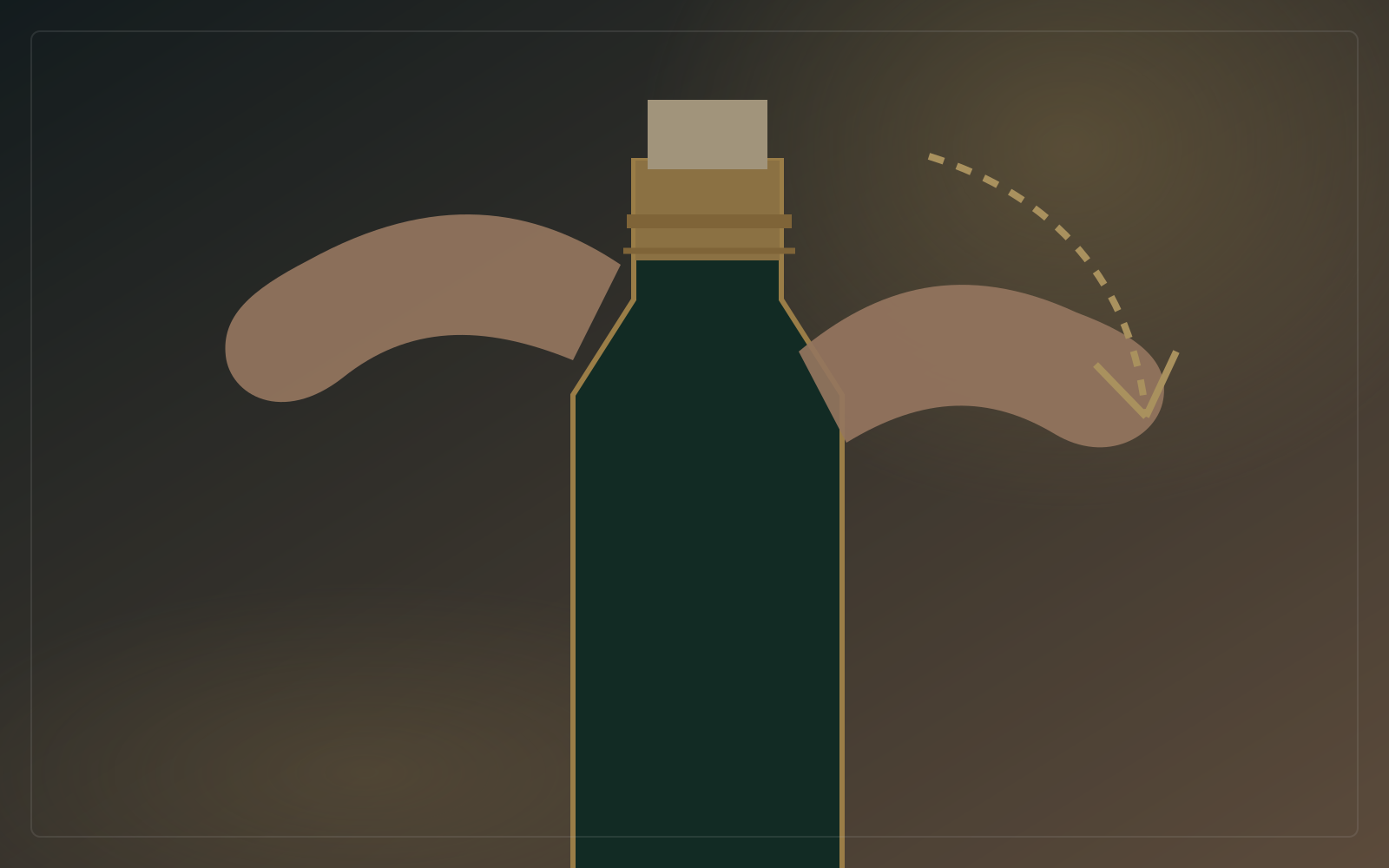
A Champagne bottle contains significant pressure. Opening it safely is not about strength; it is about control.
Chill the bottle first
Cold Champagne holds carbon dioxide more readily and is easier to control. A warm bottle is more likely to foam or eject the cork aggressively.
Aim for normal serving temperature before opening.
Dry the bottle
Condensation makes glass slippery. Wipe the bottle if necessary, especially around the neck.
Remove the foil
Expose the wire cage while keeping the bottle pointed away from people, glassware and anything fragile.
Keep a hand on the cork
Once the cage is loosened, treat the cork as live. Keep your thumb or palm over it.
You can leave the loosened cage around the cork for extra grip.
Hold the bottle at an angle
A slight angle increases the wine’s surface area inside the bottle and can help manage pressure, while also keeping the cork’s path away from faces.
Turn the bottle, not the cork
Grip the cork firmly and slowly rotate the base of the bottle. You should feel the cork begin to move.
Resist it. The goal is a controlled release, ideally a soft sigh rather than a projectile pop.
Why the theatrical pop is wasteful
A flying cork is dangerous and a violent release can drive foam out of the bottle. Celebration theatre is not worth losing wine or control.
If the bottle starts foaming
Stop pouring or opening aggressively. Keep it upright and let the foam settle. Over-warm wine, recent movement or bottle shock can all contribute.
Opening mature Champagne
Old corks can be fragile. Work slowly and support the cork throughout. If the cork feels stuck or starts crumbling, do not force it suddenly.
Sabering
Sabering is spectacle, not a normal service technique. It breaks the glass neck and carries obvious risk. Champagne.co does not recommend it as the routine way to open a bottle.
The expert-looking opening is the quiet one.
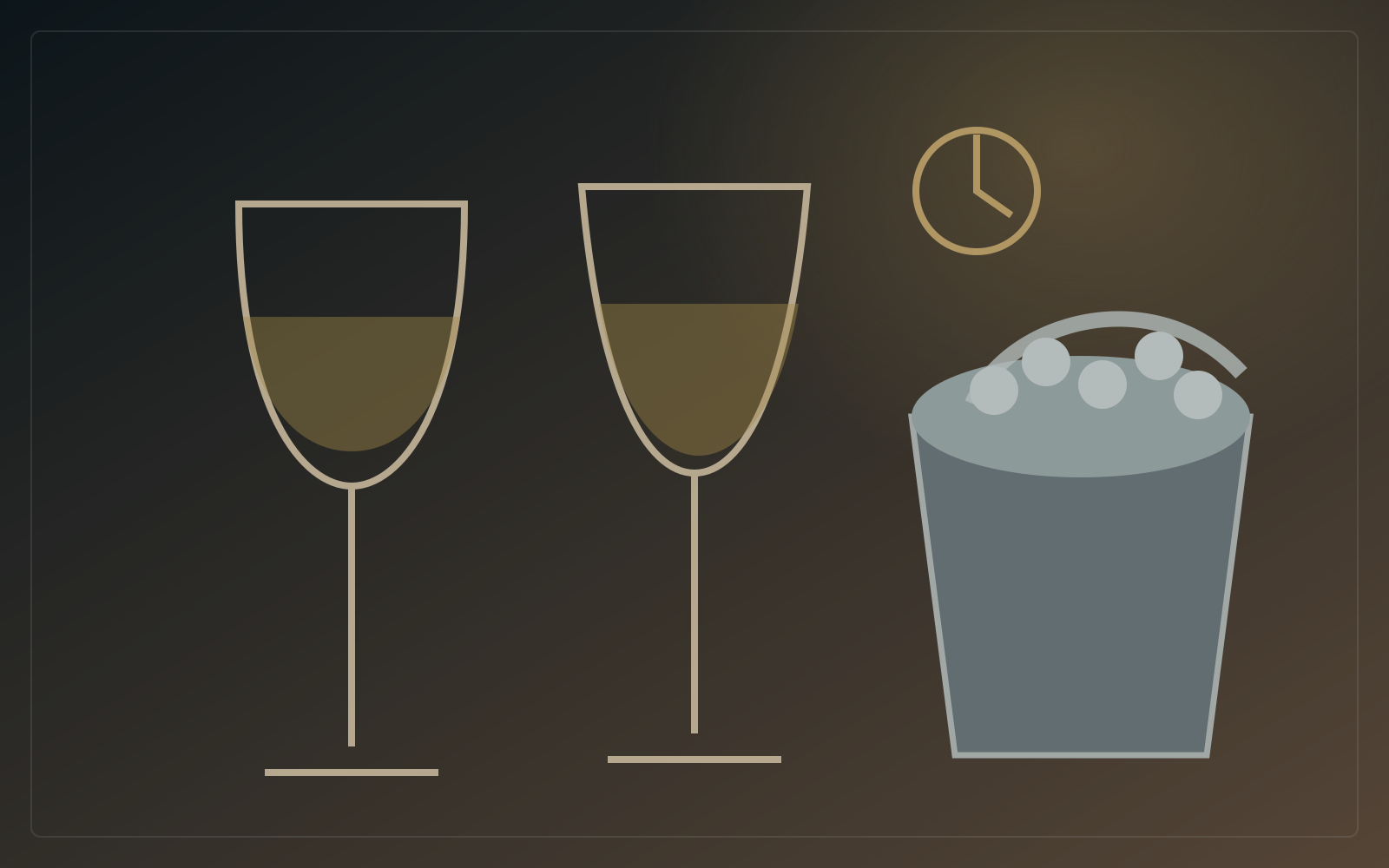
Serving Temperature and Glassware
Too cold hides Champagne; too warm makes it feel broad. Glass shape matters too. Here is a practical way to serve serious bottles.
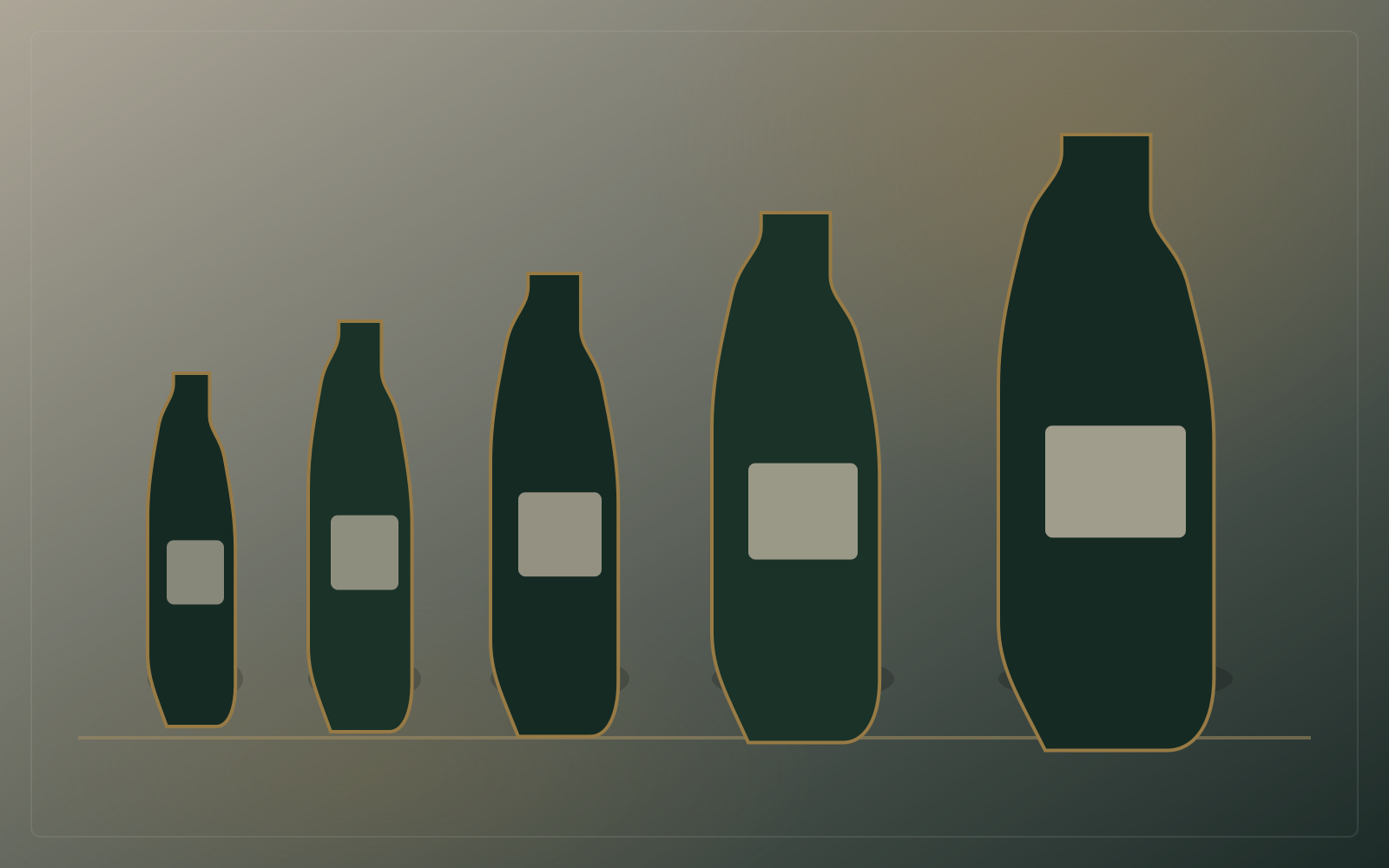
Champagne Bottle Sizes Explained
From half-bottles to magnums and celebration formats, bottle size changes more than the number of glasses.
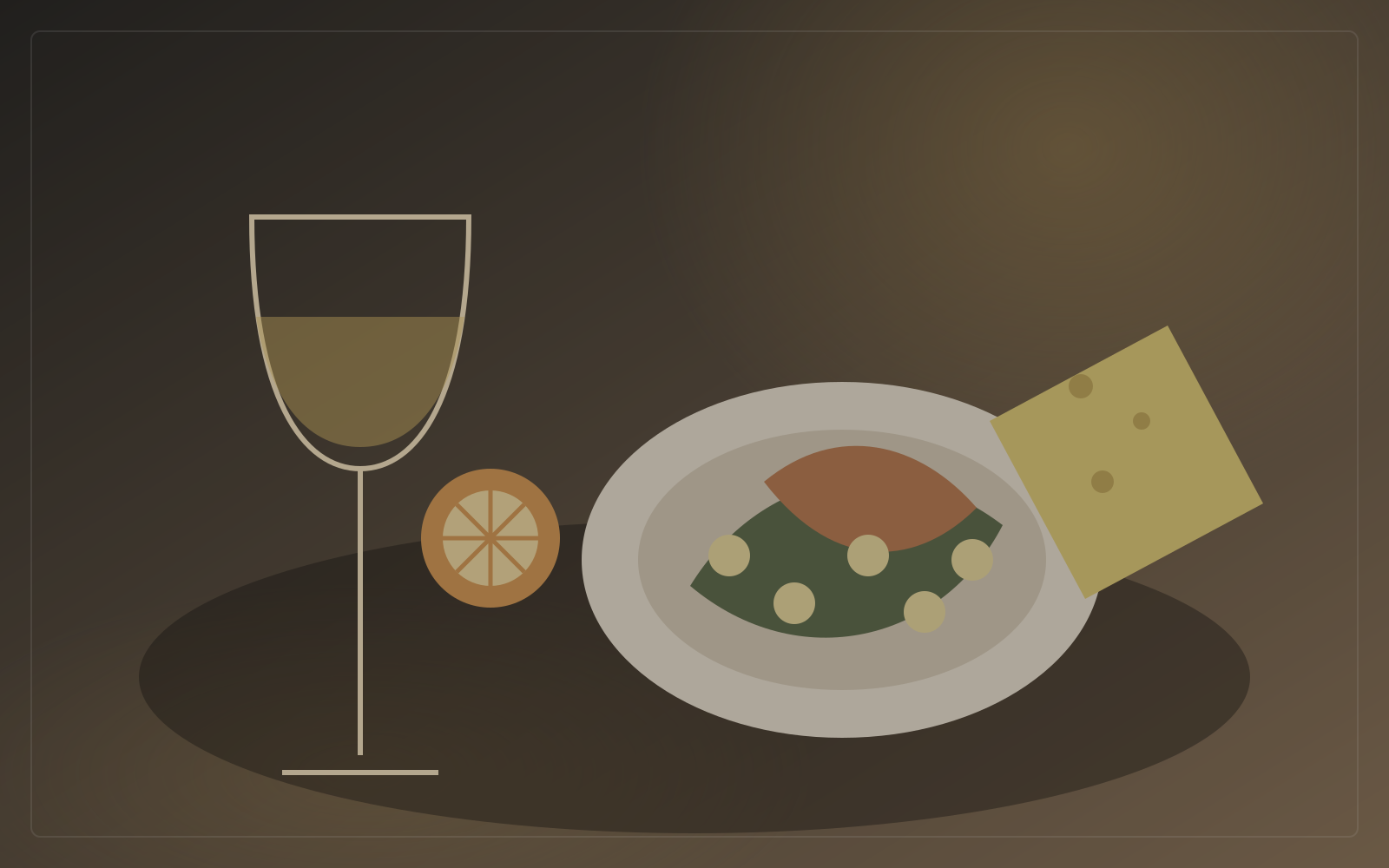
Champagne and Food: A Practical Pairing Guide
Champagne is one of the most versatile food wines. Acidity, bubbles, dosage and grape structure give you more options than oysters alone.