Champagne and Food: A Practical Pairing Guide
Champagne is one of the most versatile food wines. Acidity, bubbles, dosage and grape structure give you more options than oysters alone.
Published 2026-09-28
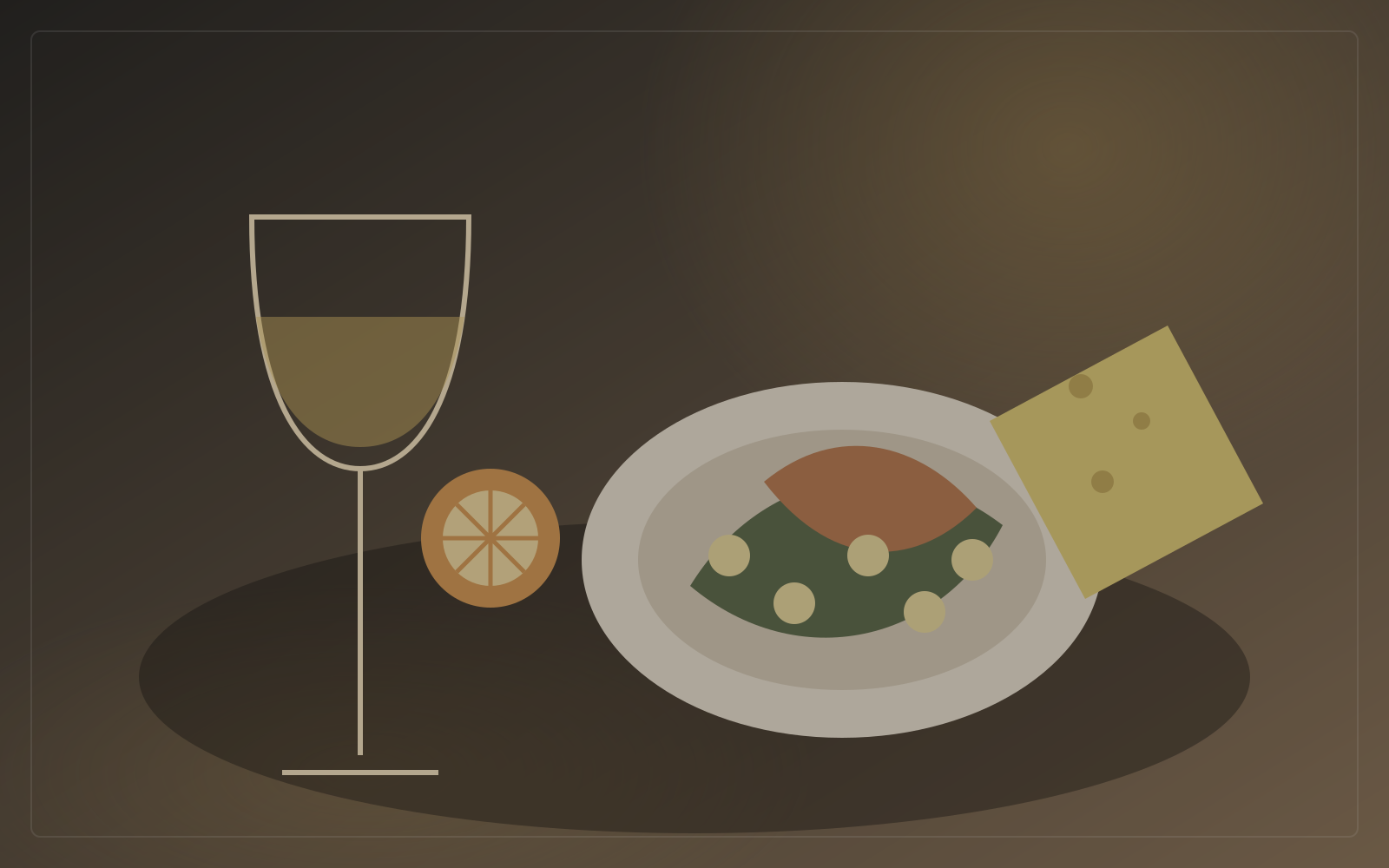
Champagne is often confined to the aperitif, which wastes one of its greatest strengths. High acidity, moderate alcohol, carbonation and a wide range of styles make it unusually adaptable at the table.
Oysters and shellfish
Blanc de Blancs and lean Brut styles are natural partners for oysters, shellfish and simply cooked white fish. Acidity refreshes the palate while the wine’s saline or chalky impressions can echo the food.
Fried food
Bubbles and acidity are excellent with fried textures. Tempura, fried chicken and gougères all demonstrate why Champagne works with fat and salt.
You do not need a prestige bottle for this. A good non-vintage Brut can be ideal.
Poultry and mushrooms
Pinot-led Champagne and Blanc de Noirs can have enough body for roast chicken, mushrooms and richer sauces.
Mature bottles with savoury development can behave more like fine white Burgundy at the table.
Cheese
Hard cheeses such as Comté can work beautifully, especially with mature Champagne. Very powerful blue cheese may need more sweetness or a different wine.
Rosé Champagne
Rosé is useful with salmon, tuna, charcuterie, duck and dishes with red-fruit elements. A structured saignée rosé can carry more weight than its colour suggests.
Spicy food
A little dosage can help with moderate spice, while extremely dry Champagne can feel sharper. Avoid very hot food that overwhelms the wine’s detail.
Dessert
Brut is usually too dry for a sweet dessert. The dessert can make the wine taste severe. If you want Champagne with pudding, look toward Demi-Sec or another appropriately sweeter style.
The pairing framework
Instead of memorising dishes, think about four things:
- Acidity cuts richness.
- Bubbles refresh after fat and salt.
- Pinot and age add body for savoury dishes.
- Dosage needs to match sweetness.
That framework works far beyond the traditional oyster cliché.
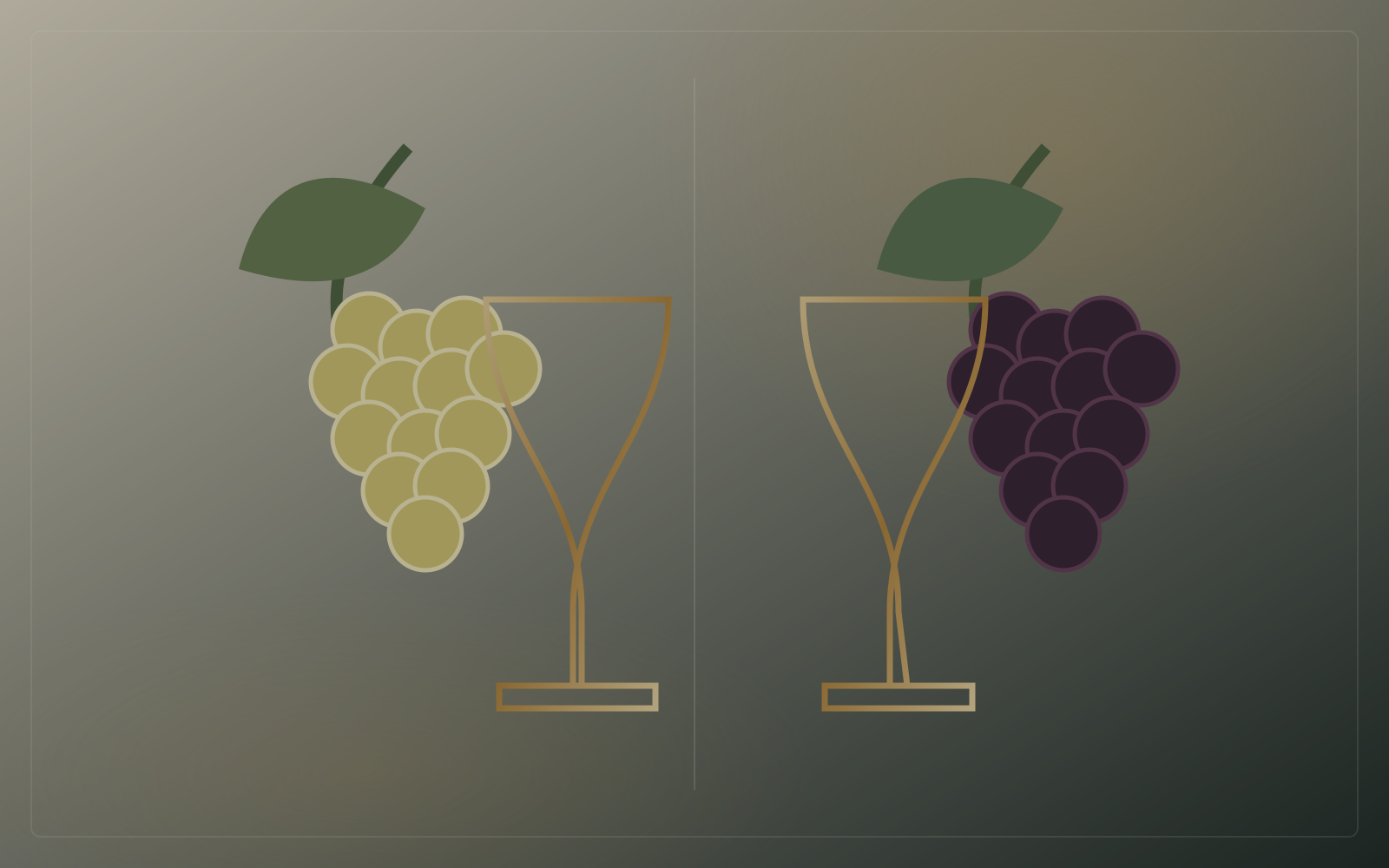
Blanc de Blancs vs Blanc de Noirs
Both can be white Champagne. The difference is the colour of the grapes behind them, and that changes structure, aroma and food pairing.
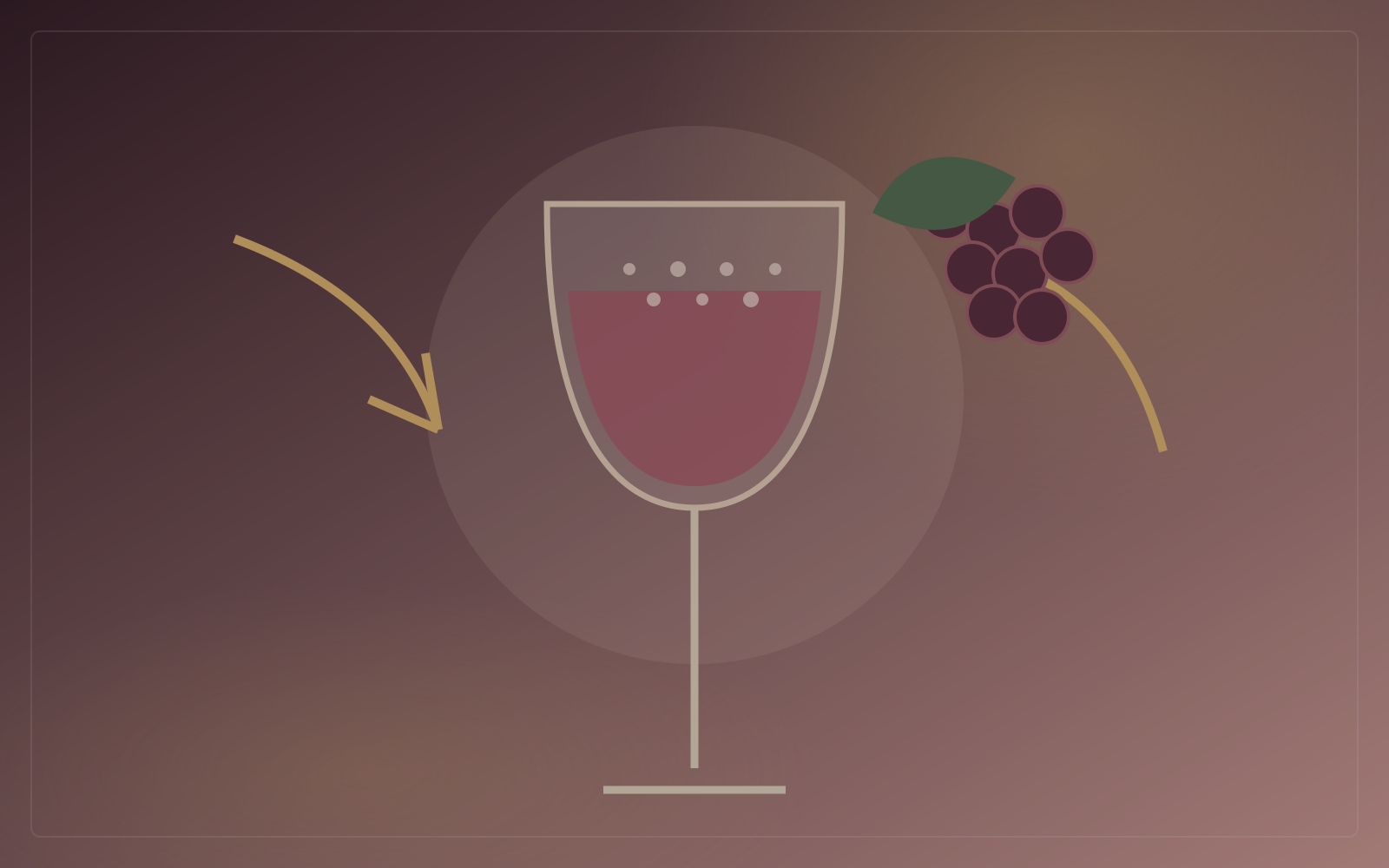
Rosé Champagne: Assemblage vs Saignée
Champagne rosé can be made in two fundamentally different ways. Understanding them explains far more than colour alone.
What Does Brut Mean?
Brut is the reference dryness level in Champagne, but it is not the driest. Here is how dosage, acidity and the legal sugar bands fit together.