Aurélien Lurquin
Aurélien Lurquin is a small grower based in Romery, a village on the northern side of the Vallée de la Marne. The domaine is certified for organic agriculture and works on a deliberately small scale, with its identity expressed through individual parcels…
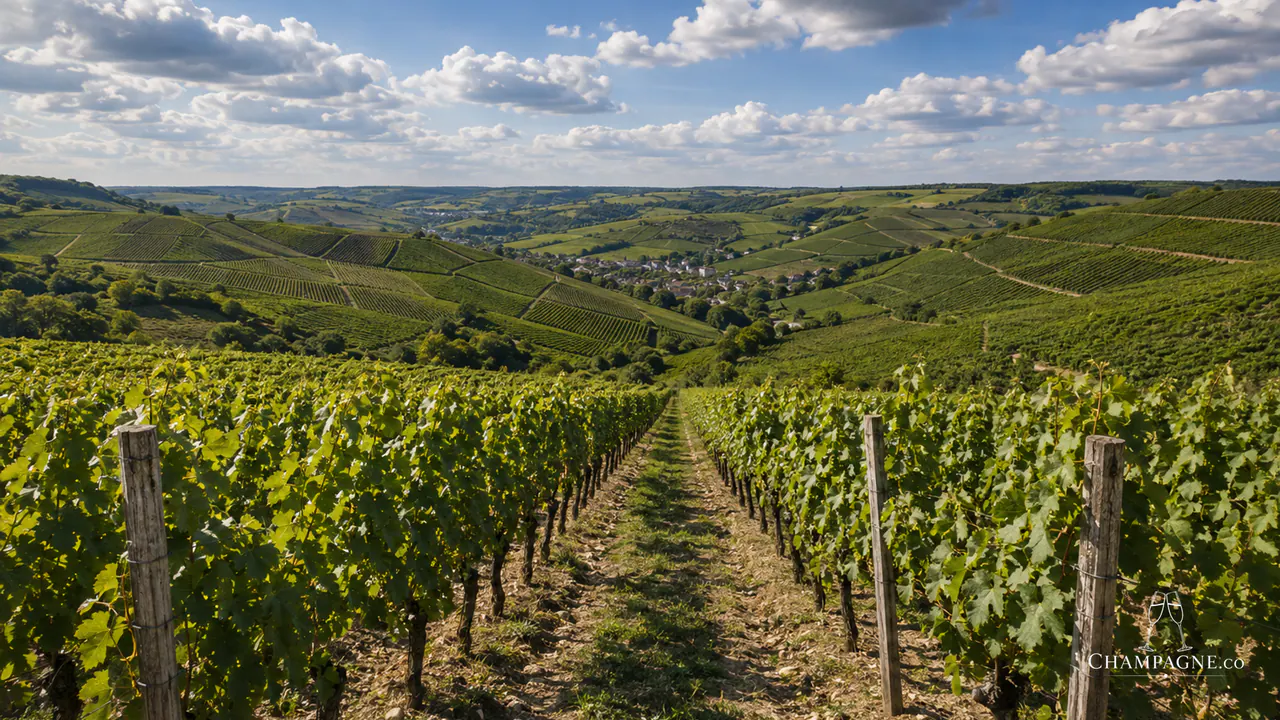
Editorial profile
Aurélien Lurquin is a small grower based in Romery, a village on the northern side of the Vallée de la Marne. The domaine is certified for organic agriculture and works on a deliberately small scale, with its identity expressed through individual parcels rather than a broad, fixed house range.
That parcel focus matters because Lurquin's names can cross the boundary between sparkling Champagne and still Coteaux Champenois. A vineyard name such as Les Forcières may therefore identify more than one kind of wine, making appellation, grape and release details essential when describing or buying a bottle.
Why this producer matters
- Lurquin represents the very small, grower-led end of contemporary Champagne, with Romery as the geographical centre of the domaine.
- Organic certification provides a current, independently verifiable foundation for the farming identity.
- The range is unusually parcel-specific and includes both Champagne and Coteaux Champenois.
- Current releases show Pinot Noir, Chardonnay and Meunier appearing in distinct bottlings rather than being reduced to one generic house style.
- The small scale and changing release pattern make bottle-level information more useful than a permanent catalogue assembled from older vintages.
Vineyards and farming
Romery sits above the Marne valley, north of the better-known villages around Hautvillers and Cumières. Lurquin's farming is certified organic, and current organic-sector records place the domaine within the region's active organic winegrowing community.
Published estimates of the domaine's vineyard area vary slightly, generally placing it at only a few hectares.
Winemaking and release approach
The clearest way to understand Lurquin is release by release. Current bottle records show parcel wines made in small quantities, with technical details such as harvest year, élevage, tirage, disgorgement and dosage changing with the specific bottling.
For example, a current Les Forcières Champagne release is identified as Pinot Noir from Romery and zero dosage, with its tirage and disgorgement stated for that individual release. Those details should not be generalized to every wine made under the Lurquin name.
The same discipline is especially important with still wines. Coteaux Champenois bottlings from named parcels are separate wines with their own grape, vintage and élevage information; they should never be folded into the sparkling range simply because the producer and lieu-dit are the same.
Champagne.co analysis
Lurquin is most useful to understand as a place-led micro-domaine rather than a conventional house with a stable ladder of labels. Romery is the anchor, while individual parcels, grapes and the distinction between Champagne and Coteaux Champenois do much of the work in defining each bottle.
That makes precision more valuable than simplification. The producer's identity is not well served by collapsing several vintages into one technical recipe or by treating every wine carrying the same vineyard name as interchangeable. The strongest reading of the range is therefore geographical and release-specific: identify the parcel, establish whether the wine is sparkling or still, then read the technical details for that particular release.
Buying guidance
For a first look at the sparkling side of the domaine, Les Forcières offers a direct route into Lurquin's parcel-focused Pinot Noir Champagne, while Les Traverses provides a Chardonnay-led counterpoint when available. Les Crayères du Levant deserves particular attention to the exact bottle because closely related naming can appear across different expressions.
Buyers interested in still Champagne-region wine should look specifically for Coteaux Champenois on the label and confirm the grape and vintage. With such small production, availability is irregular; scarcity or secondary-market price should not be treated as a substitute for understanding the wine itself.
Loading current Champagne range…
Spotted something wrong? Report a correction
Every report goes to a human review queue. Nothing on this page changes automatically.