Billecart-Salmon
Billecart-Salmon is an independent family Champagne house based in Mareuil-sur-Aÿ, founded in 1818 by Nicolas François Billecart and Elisabeth Salmon. The family remains directly involved in the business: Mathieu Roland-Billecart, representing the seventh…
Editorial profile
Billecart-Salmon is an independent family Champagne house based in Mareuil-sur-Aÿ, founded in 1818 by Nicolas François Billecart and Elisabeth Salmon. The family remains directly involved in the business: Mathieu Roland-Billecart, representing the seventh generation, heads the house alongside Antoine Roland-Billecart, with Jean and François Roland-Billecart also supporting the family enterprise.
The modern house combines long family continuity with a deliberately broad wine programme. Its collection ranges from multi-vintage house wines and zero-dosage Champagne to vintage prestige cuvées, oak-led expressions, limited numbered releases and Clos Saint-Hilaire, a single enclosed parcel in Mareuil-sur-Aÿ.
Why this producer matters
Billecart-Salmon is useful to understand as a complete maison rather than simply through its famous rosé. The current range gives drinkers several distinct ways into the house: the multi-vintage Le Réserve, Le Rosé, a Chardonnay-focused Blanc de Blancs, Brut Nature without dosage, the oak-vinified Le Sous Bois, vintage wines and a group of named prestige cuvées.
That breadth is supported by a cellar organisation that can separate parcels and styles. The house records the creation of a small thermoregulated-tank cuverie in 2000 to improve traceability, a renewed investment in oak vinification in 2010, and the addition of 24 large oak casks in 2018.
Family and cellar
Mathieu Roland-Billecart currently heads the family house. Antoine Roland-Billecart is deputy general manager with responsibility for export, while Alexandre Bader is managing director. On the wine side, Florent Nys is chief winemaker, having succeeded François Domi after working with him from 2005. Denis Blée is director of vineyards and wines and has particular responsibility for Clos Saint-Hilaire and the oak cellar.
This combination of family management and specialist wine leadership helps explain why Billecart-Salmon can maintain a recognisable house collection while also operating more narrowly defined prestige and experimental releases.
Winemaking and cellar approach
The range is not built around one vessel or one dosage regime. Stainless steel, oak and large casks all have roles in the cellar, while dosage varies substantially by cuvée. Brut Nature, for example, is made without sugar added at dosage, whereas Le Sous Bois is specifically positioned around oak vinification.
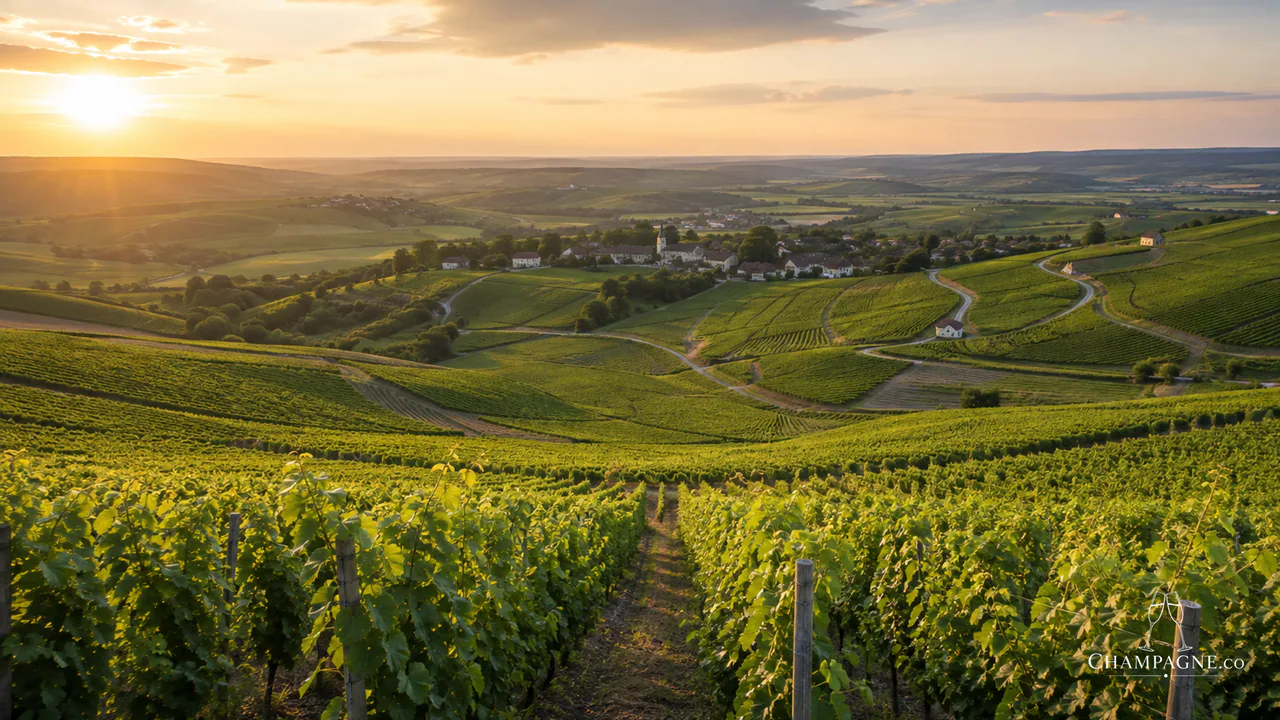
Clos Saint-Hilaire takes the parcel idea further. It comes from a single enclosed one-hectare Pinot Noir parcel in Mareuil-sur-Aÿ, first planted in 1964, and is vinified in oak.
Champagne.co analysis
Billecart-Salmon's strength as a reader proposition is the number of meaningful steps between its core collection and its rarest wines. A drinker can compare dosage choices through Le Réserve and Brut Nature, vessel influence through Le Sous Bois, Chardonnay emphasis through Le Blanc de Blancs and Louis Salmon, and then move into vintage prestige blends or the much narrower single-parcel logic of Clos Saint-Hilaire.
The result is a house whose identity is better described by controlled stylistic breadth than by one famous bottling. The family continuity matters, but so does the modern cellar architecture that allows different grapes, parcels, vessels and release types to remain distinct.
Buying guidance
For a first bottle, Le Réserve is the clearest orientation to the collection, while Le Rosé is the obvious route for readers specifically interested in the house's established rosé identity. Brut Nature is the more relevant comparison for drinkers who want to examine the effect of zero dosage, and Le Sous Bois for those interested in the house's oak-led side.
Move to Cuvée Nicolas François, Elisabeth Salmon or Louis Salmon when the aim is a named prestige release, keeping the vintage attached to the bottle under consideration. Clos Saint-Hilaire is a different proposition again: a scarce, single-parcel Pinot Noir wine whose vintage and technical data should always be checked release by release. The numbered Rendez-vous wines should likewise be bought as individual limited releases rather than assumed to share one standing specification.
Loading current Champagne range…
Spotted something wrong? Report a correction
Every report goes to a human review queue. Nothing on this page changes automatically.