Binet
Maison Binet is a historic Champagne house founded in Reims in 1849 by Louis Binet. Its own chronology records a long and discontinuous history, including the creation of Médaillon Rouge in 1865 and a modern return, from 2013, to a deliberately limited…
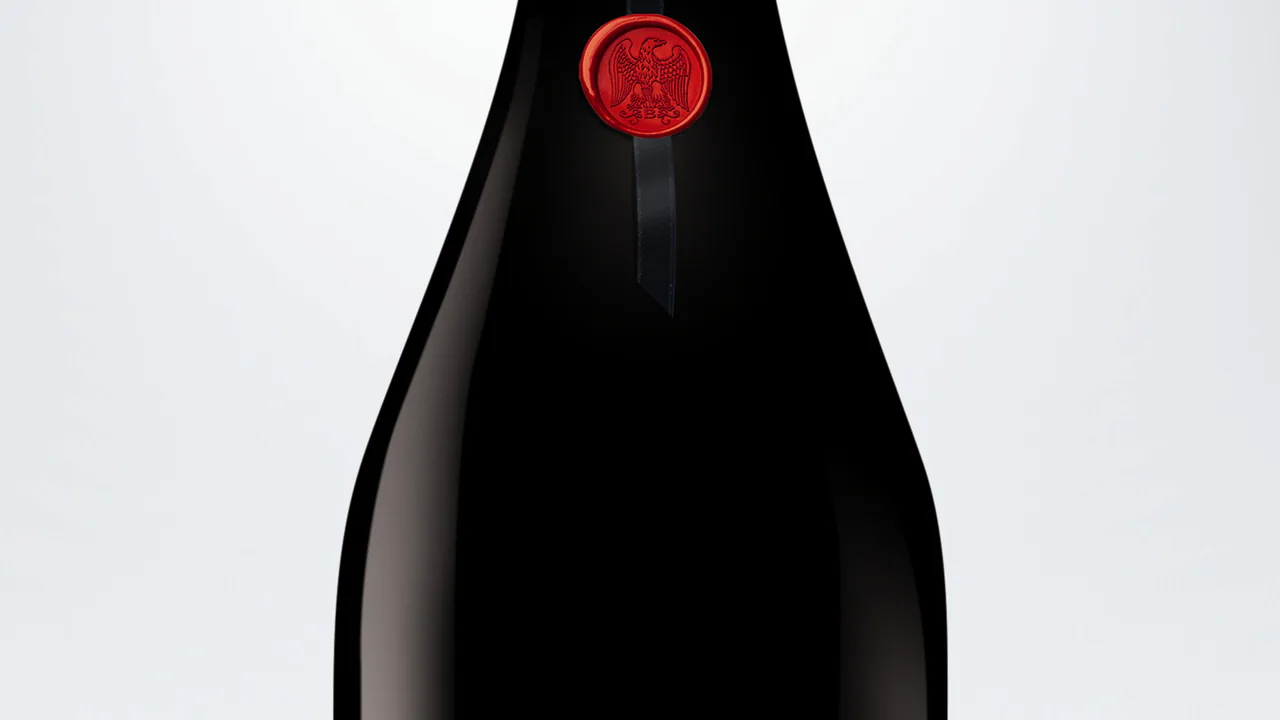
Binet — Champagne producer profile image.
Editorial profile
Maison Binet is a historic Champagne house founded in Reims in 1849 by Louis Binet. Its own chronology records a long and discontinuous history, including the creation of Médaillon Rouge in 1865 and a modern return, from 2013, to a deliberately limited prestige identity centred on Grand Cru wines.
The current collection is compact rather than encyclopaedic. Binet presents a small group of Elite cuvées alongside Médaillon Rouge, with Pinot Noir playing an important role and Grand Cru sourcing forming the central contemporary proposition.
Why this producer matters
Binet is interesting for two separate reasons. Historically, the house attributes the development of freezing-based disgorgement to Armand Walfard-Binet, who took control of the business in 1881; the house chronology says he developed the method of disgorgement by freezing and subsequently filed a number of patents. That claim is best understood as Binet's documented account of its own technical heritage rather than as a universal adjudication of invention priority.
For today's drinker, the more relevant point is the narrowness of the range. Binet's modern identity is built around selected Grand Cru fruit, extended cellar ageing and a deliberately prestige-oriented presentation rather than a large ladder of regional and parcel bottlings.
House and production identity
The current first-party record describes Binet as selecting fruit from Grand Cru vineyards in the Montagne de Reims. It does not provide a sufficiently clear basis for Champagne.co to state a current estate-owned vineyard area, so the house is better described through its sourcing and wine programme than through an inferred hectare figure.
The Elite wines are presented as long-aged Grand Cru cuvées. Current technical material also shows that the range is not simply one blend in different packaging: Elite Rosé and Elite Blanc de Noirs have distinct compositions, while Médaillon Rouge is a vintage prestige wine with its own release specification.
Champagne.co analysis
Binet's present-day appeal is its focus. Rather than offering a broad tour through Champagne's regions and styles, the house concentrates attention on a small prestige collection with a strong Pinot Noir thread and Grand Cru positioning. That makes the Blanc de Noirs particularly useful for understanding the modern range, while Médaillon Rouge connects the current catalogue to a cuvée name that Binet traces back to the nineteenth century.
The house's technical-history story adds context but should not overwhelm the wine. For buying purposes, the key discipline is to distinguish durable house facts from specifications belonging to individual releases—especially for Médaillon Rouge, where the official site still documents the 2008 vintage.
Buying guidance
Start with Brut Elite for the broad house proposition. Choose Elite Blanc de Noirs when the priority is Binet's Pinot Noir-led side, or Elite Rosé for the rosé expression. Médaillon Rouge is the more specialised prestige purchase and should always be assessed by exact vintage: the currently documented first-party release is 2008, but that does not establish what every market has in stock or what a later release will specify.
Because Binet's range is small and release information can persist on the producer site for long periods, verify the exact bottle, vintage and technical sheet rather than converting an old documented release into a permanent current vintage claim.
Loading current Champagne range…
Spotted something wrong? Report a correction
Every report goes to a human review queue. Nothing on this page changes automatically.