Boizel
Boizel is a family Champagne house in Épernay, founded in 1834 by Auguste Boizel and Julie Martin. Six generations of the family have led the house, with Florent and Lionel Roques-Boizel at the helm today.
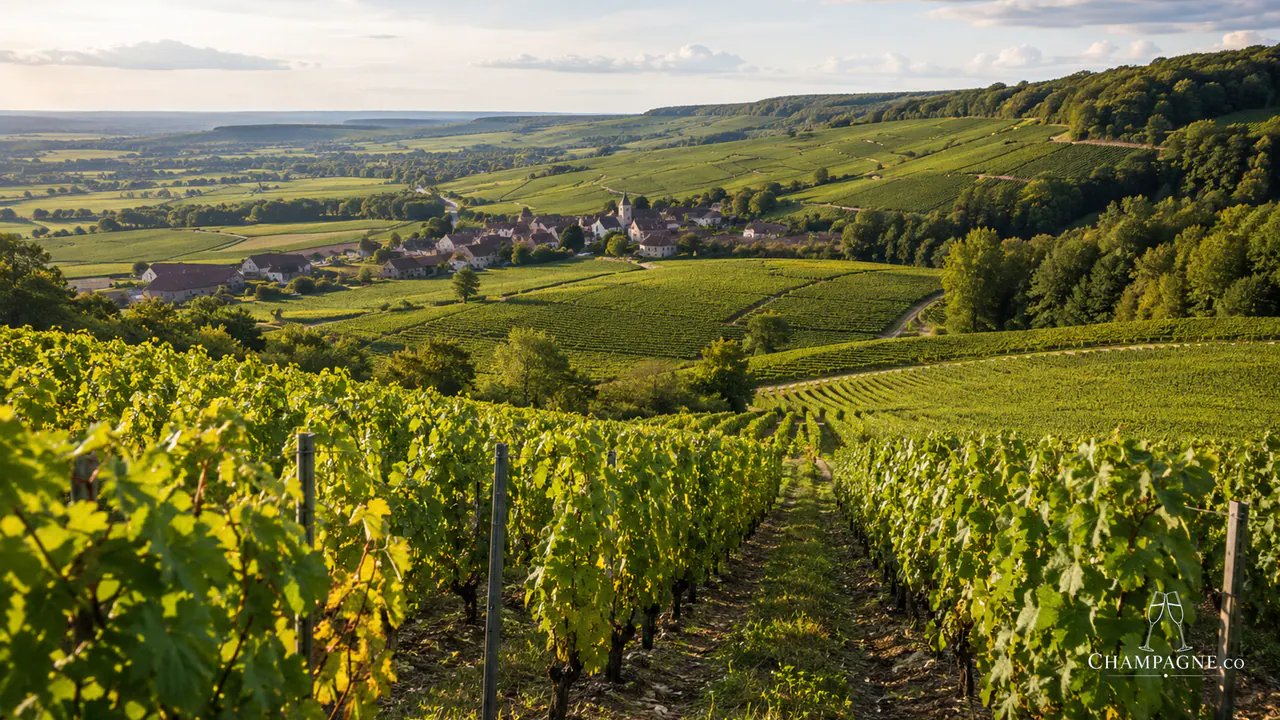
Editorial profile
Boizel is a family Champagne house in Épernay, founded in 1834 by Auguste Boizel and Julie Martin. Six generations of the family have led the house, with Florent and Lionel Roques-Boizel at the helm today.
The house combines a relatively small estate vineyard with long-standing grower relationships across Champagne. Boizel owns 7 hectares, including vines in Avize and Le Mesnil-sur-Oger, while partner growers supply Chardonnay and Pinot Noir from Grand and Premier Cru sites in the Côte des Blancs and Montagne de Reims and Meunier from the Vallée de la Marne.
Why this producer matters
Boizel is particularly useful for readers who want to see how a family house can combine broad regional blending with more narrowly defined terroir wines. The range moves from multi-vintage blends through vintage Champagne and prestige cuvées to single-cru bottlings and late-released library wines, while the house publishes unusually useful technical detail for many current releases.
That breadth makes Boizel less about a single vineyard formula than about selection and separation: plots and crus are vinified individually before blending, and stainless steel is supplemented by barrels and foudres where the house wants a different élevage route.
House and vineyard identity
The Boizel family established the house in Épernay in 1834 and remains directly involved in its leadership and blending. The family's own seven hectares give it an estate-vineyard component, but they are only one part of the sourcing model. Partner growers extend the palette across the Côte des Blancs, Montagne de Reims and Vallée de la Marne.
Avize has particular significance in the current range: Boizel both owns vines there and bottles a single-cru Blanc de Blancs from the village. The house also uses the same terroir-focused idea for Pinot Noir releases from the Montagne de Reims.
Winemaking and cellar approach
Boizel vinifies individual plots and crus separately in small vessels before blending. Temperature-controlled stainless steel forms the principal cellar route, complemented by barrels and larger oak vessels. Reserve wines from previous years are maintained separately for use in multi-vintage blends.
The important point for readers is that oak is not a blanket house formula. Its role varies by cuvée: some wines are principally stainless-steel vinified, while releases such as Cuvée Sous Bois are deliberately built around old-barrel vinification. Technical details therefore belong to the named release rather than being generalized across the whole range.
Champagne.co analysis
Boizel's most distinctive structural feature is the way a classic family-house model now sits alongside increasingly explicit terroir bottlings. The seven-hectare estate is not large enough to explain the whole range; the house instead combines its own parcels with grower sourcing and then keeps crus and plots separate through vinification before final blending.
That creates two useful ways into the producer. The core wines show Boizel as a blending house working across Champagne's principal regions and varieties. The single-cru wines narrow the lens to specific villages, while Sous Bois and the Joyau releases show how vessel choice and extended ageing are used for particular cuvées rather than treated as universal house rules.
Buying guidance
For a first bottle, Brut Réserve is the clearest introduction to the house's multi-region blending model. Ultime Zéro is the relevant comparison for readers specifically seeking a no-dosage wine, while Grand Vintage 2019 provides the current vintage expression.
Readers interested in site specificity should look to the single-cru releases, particularly Avize 2020 for Chardonnay and Tours-sur-Marne 2020 for Pinot Noir. Cuvée Sous Bois 2009 is the more direct choice for exploring Boizel's old-barrel route. Joyau 2013 and Joyau Rosé 2012 occupy the prestige tier, while the Trésor Collection is the specialist route for mature library vintages and should always be considered by exact release year.
Loading current Champagne range…
Spotted something wrong? Report a correction
Every report goes to a human review queue. Nothing on this page changes automatically.