Bonnet-Ponson
Bonnet-Ponson is a family grower in Chamery, on the Petite Montagne de Reims, with winegrowing roots dating to 1862. The current domaine name dates from the 1957 marriage of André Bonnet and Monique Ponson. Thierry Bonnet took over in 1979, and his son…
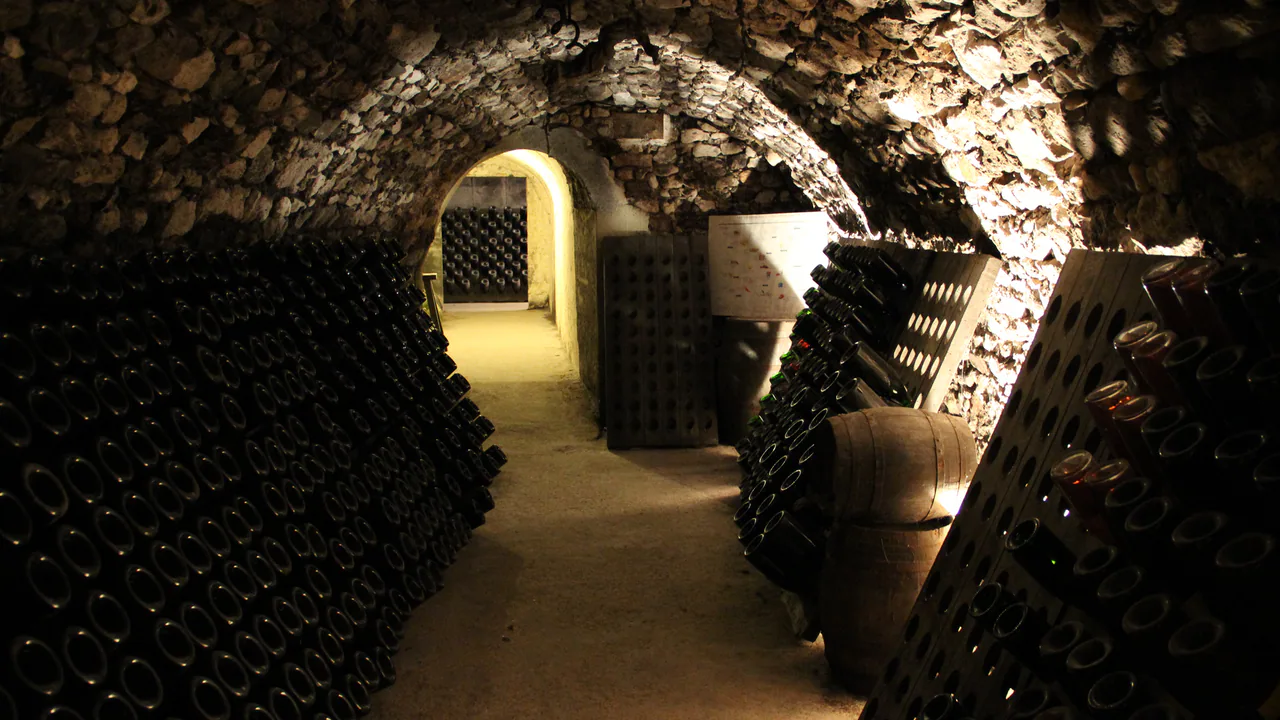
Bonnet-Ponson — Champagne producer profile image.
Editorial profile
Bonnet-Ponson is a family grower in Chamery, on the Petite Montagne de Reims, with winegrowing roots dating to 1862. The current domaine name dates from the 1957 marriage of André Bonnet and Monique Ponson. Thierry Bonnet took over in 1979, and his son Cyril Bonnet joined the estate in 2013 after oenology training and six years of winemaking experience in south-west France.
The family vineyard covers 10.5 hectares across roughly 50 parcels in Chamery, Vrigny, Coulommes-la-Montagne and Verzenay. The Association des Champagnes Biologiques records the whole 10.5 hectares as certified organic, with conversion beginning in 2013 and the first certified harvest in 2016. The certified planting mix is 38% Pinot Noir, 29% Meunier, 29% Chardonnay and 4% Petit Meslier.
Why this producer matters
Bonnet-Ponson combines a long family history with a very explicit modern farming programme. Cyril Bonnet's return in 2013 coincided with whole-estate organic conversion, followed by an agroforestry programme from 2019 that the producer says has added more than 400 trees around and within vineyard parcels.
The estate is also notable for how clearly it uses its grape diversity. Pinot Noir, Meunier and Chardonnay remain central, but Petit Meslier plays a visible role in the current range rather than being treated as a token heritage variety. The producer's Blanc de Blancs 2023, for example, combines Chardonnay with a substantial Petit Meslier component.
Vineyards and terroir
The 10.5-hectare vineyard is split among Premier Cru sites at Chamery, Vrigny and Coulommes-la-Montagne and Grand Cru Verzenay. The producer describes a broad range of exposures and soils, including sand, clay, limestone and chalk-related formations.
Its own vineyard material places Meunier on sandier lower-slope sites, Pinot Noir on clay-loam sectors and Chardonnay on higher clay soils mixed with chalk and flint. Verzenay adds old, north-facing Pinot Noir on chalk, giving the domaine a materially different Grand Cru source from its Chamery-centred base.
Farming and cellar approach
Bonnet-Ponson has farmed the estate organically since the 2013 conversion, using cover crops, shallow soil work, compost, plant-based preparations and agroforestry as part of its broader conservation-viticulture approach. The organic claim is independently supported by the Association des Champagnes Biologiques rather than inferred from producer language alone.
In the cellar, the current producer material states that fermentations use indigenous yeasts, wines spend around nine to ten months on full lees, additions are kept to a minimum and dosage is often avoided. Those are broad current house practices; exact dosage and ageing details remain tied to the individual releases below.
Champagne.co analysis
Bonnet-Ponson's modern identity is built from three connected elements: full-estate organic farming, a four-village Montagne de Reims footprint and a willingness to use more than the three dominant Champagne grapes in meaningful proportions. That combination gives the range a broader genetic and geographic base than the estate's size might suggest.
The perpetual-reserve wines provide the house-level reference, while Seconde Nature narrows the focus to Chamery. Le Jour isolates old-vine Meunier, Petit Mélange broadens the grape palette, and the 2023 Blanc de Blancs shows how Petit Meslier is incorporated into a current release rather than preserved only as a historical curiosity. The Coteaux Champenois wines then extend the same vineyard material into still-wine form.
Buying guidance
Perpétuelle Zéro Dosage is the clearest starting point for the current range and the easiest way to understand the estate's reserve-wine system. Perpétuelle Rosé provides the rosé counterpart.
For a more site-specific view, Seconde Nature is centred on Chamery. Le Jour 2022 is the direct choice for old-vine Meunier, while Petit Mélange is the most relevant bottle for exploring the domaine's rare-grape diversity.
Loading current Champagne range…
Spotted something wrong? Report a correction
Every report goes to a human review queue. Nothing on this page changes automatically.