Bourgeois-Diaz
Bourgeois-Diaz is a family grower based in Crouttes-sur-Marne, at the western end of the Vallée de la Marne. The domaine is currently associated with Charlotte and Jérôme Bourgeois, with Jérôme responsible for winemaking and Charlotte involved in the…
Editorial profile
Bourgeois-Diaz is a family grower based in Crouttes-sur-Marne, at the western end of the Vallée de la Marne. The domaine is currently associated with Charlotte and Jérôme Bourgeois, with Jérôme responsible for winemaking and Charlotte involved in the management of the estate.
The Association des Champagnes Biologiques records 6.8 hectares, all certified organic, planted to Meunier, Pinot Noir and Chardonnay. Organic conversion was formally engaged in October 2008, the first certified-organic harvest was 2012, and the estate is recorded as working biodynamically from 2009 with Demeter certification from the 2014 harvest.
Why this producer matters
Bourgeois-Diaz combines a small western-Marne vineyard base with unusually clear organic and biodynamic credentials. The current certification record covers the entire 6.8-hectare holding rather than only selected parcels, while Comité Champagne also lists the domaine for both organic farming and Demeter biodynamic agriculture.
The current range is equally useful for understanding the estate. It moves from broad three-variety blends to single-variety Meunier and Chardonnay wines, a saignée rosé, vintage collection bottlings and two more recent terroir-focused wines, Les Justices and Les Bien Aimées, which were added to the range in 2022.
Vineyards and farming
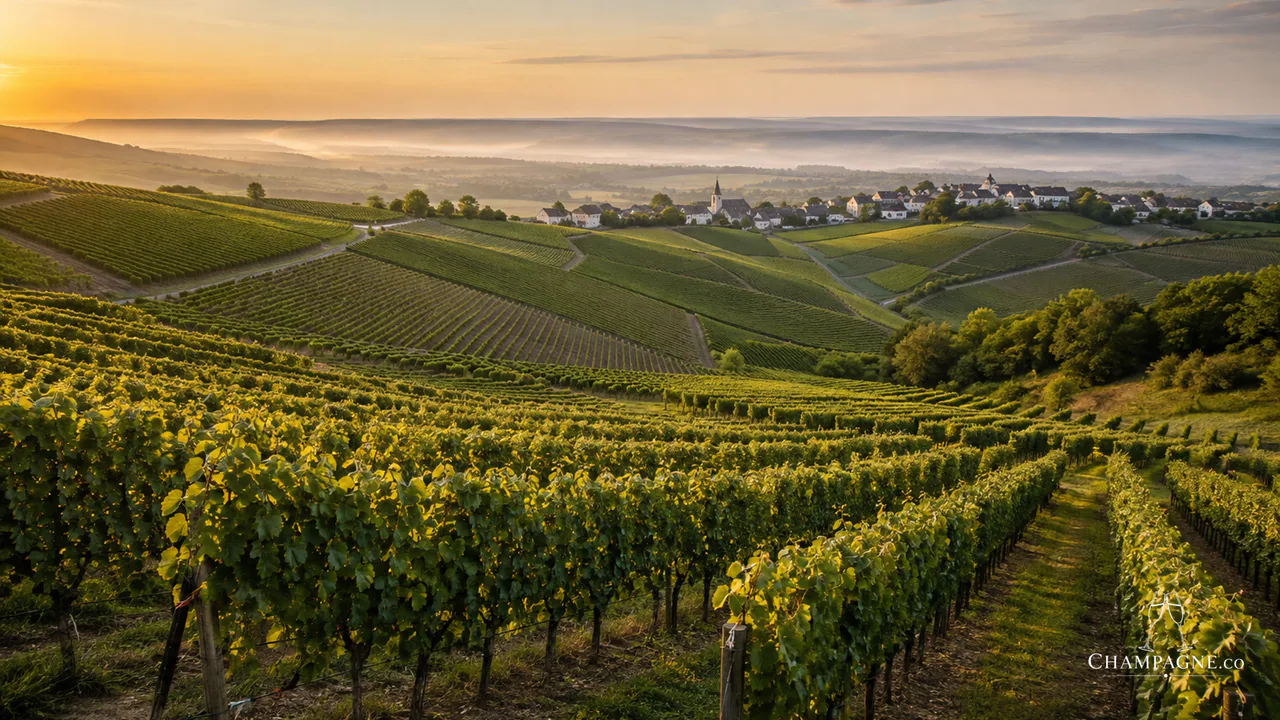
The domaine is centred on Crouttes-sur-Marne and the western Vallée de la Marne. The certified vineyard mix includes Meunier, Pinot Noir and Chardonnay, with Meunier playing a particularly visible role in the current cuvée range.
The producer states that synthetic pesticides have not been used since 2009 and describes its farming as biodynamic. The independent organic-sector record supports the organic and Demeter status, allowing those claims to be presented as certification facts rather than simply producer philosophy.
Cellar approach
The estate's current range shows a preference for Brut Nature Champagne and a willingness to vary vessel and ageing according to cuvée. The majority of the Champagnes are described by the producer as ageing in bottle for roughly two to three years, while vintage wines receive more than five years.
The two terroir-focused 2018 releases illustrate a more specialised approach. Les Justices comes from two horizontal 350-litre sandstone eggs and is aged under cork, while Les Bien Aimées comes from a 25-hectolitre foudre and is likewise bottled under cork. Those details belong to the documented 2018 releases rather than to a universal estate method.
Champagne.co analysis
Bourgeois-Diaz is best understood through the interaction between farming certification and cuvée specificity. The full-estate organic and Demeter status provides a strong baseline, but the wines themselves increasingly move beyond a simple house blend toward grape, parcel, vessel and vintage distinctions.
BD'3C gives the broadest view of the estate's three main varieties. BD'M and BD'B isolate Meunier and Chardonnay, while BD'RS uses Pinot Noir and Meunier through saignée. Les Justices and Les Bien Aimées then narrow the focus further to single-variety 2018 wines handled in different vessels. The changing blends of BD'3CC show why vintage discipline is essential: the collection label is consistent, but the wine behind it is not a fixed recipe.
Buying guidance
BD'3C is the clearest starting point for understanding the estate as a whole because it brings together Meunier, Pinot Noir and Chardonnay. For a direct Meunier expression, BD'M is the straightforward choice, while BD'B Le Temple provides the Chardonnay counterpoint.
Loading current Champagne range…
Spotted something wrong? Report a correction
Every report goes to a human review queue. Nothing on this page changes automatically.