Cédric Bouchard / Roses de Jeanne
Cédric Bouchard / Champagne Roses de Jeanne is a grower-producer based in Celles-sur-Ource in the Côte des Bar. The current French SIRENE record identifies the active business as BOUCHARD CEDRIC, trading as CHAMPAGNE ROSES DE JEANNE, with viticulture as…
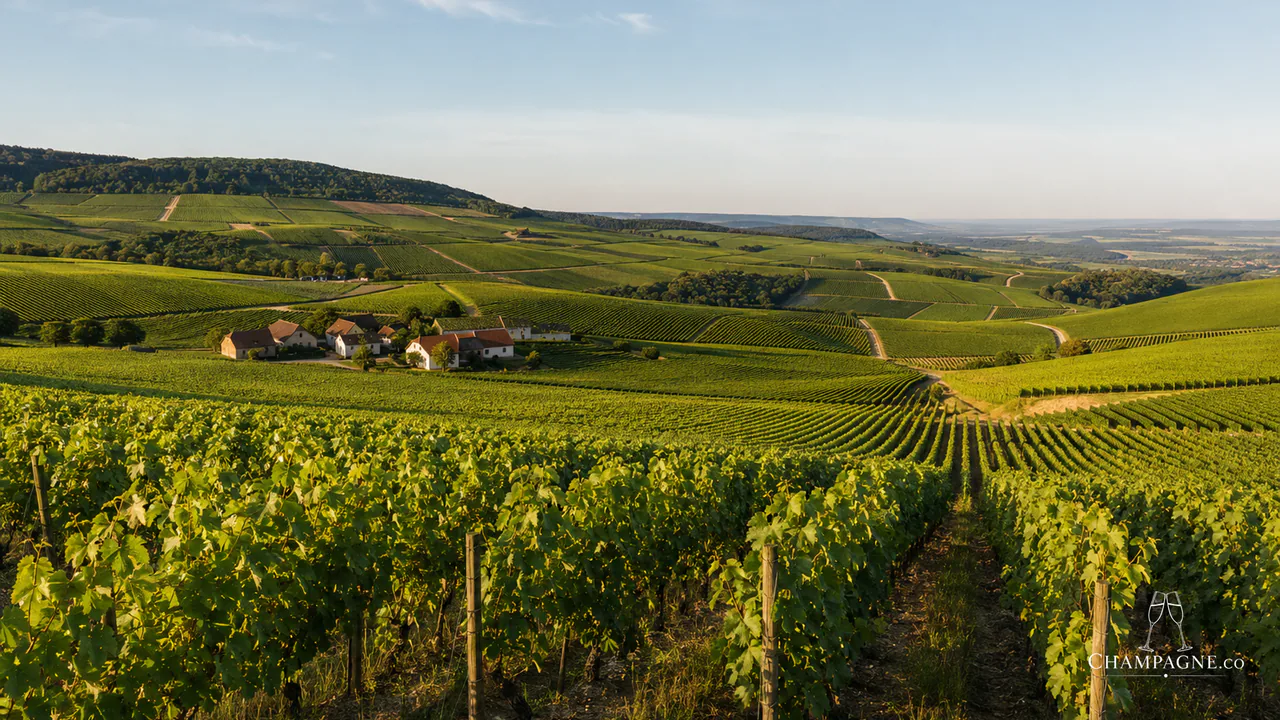
Editorial profile
Cédric Bouchard / Champagne Roses de Jeanne is a grower-producer based in Celles-sur-Ource in the Côte des Bar. The current French SIRENE record identifies the active business as BOUCHARD CEDRIC, trading as CHAMPAGNE ROSES DE JEANNE, with viticulture as its principal activity and its current establishment at 4 rue du Creux Michel, Celles-sur-Ource.
Bouchard created Roses de Jeanne around 2000, initially centring the project on the Les Ursules vineyard. The domaine developed around a deliberately narrow idea: separate wines from individual sites, generally one grape and one harvest at a time, rather than blending villages, varieties and years into a conventional house cuvée.
That philosophy remains the clearest way to understand the producer today. Pinot Noir is central, but the range also includes a rare Pinot Blanc wine from La Bolorée and Chardonnay from La Haute Lemblée, allowing several very different Côte des Bar sites and varieties to be considered independently.
Why this producer matters
Roses de Jeanne is important because its range reverses the logic of traditional Champagne blending. Instead of seeking consistency through many vineyards and reserve years, Bouchard makes the differences between individual parcels highly visible.
The wines also demonstrate that the Côte des Bar is not a single Pinot Noir story. Les Ursules and Côte de Val Vilaine are Pinot Noir references, La Haute Lemblée isolates Chardonnay, and La Bolorée is built around Pinot Blanc, a much rarer authorised Champagne variety.
The domaine has evolved rather than remaining frozen around its original vineyard set. Current specialist-importer documentation records a significant 2020 exchange that enlarged La Bolorée and Le Creux d'Enfer while Presle and Côte de Béchalin left the active vineyard portfolio after the 2020 vintage. That change matters when reading older lists of Roses de Jeanne wines.
Vineyards and terroir
The producer's home base is Celles-sur-Ource, with additional important vineyard sources elsewhere in the Côte des Bar. Current and recent trade documentation consistently identifies the following core sites:
- Les Ursules, Celles-sur-Ource — Pinot Noir and the historical foundation of Roses de Jeanne.
- Côte de Val Vilaine, Polisy — Pinot Noir, historically connected to Bouchard's family holdings and now bottled under Roses de Jeanne.
- La Haute Lemblée — Chardonnay.
- La Bolorée — Pinot Blanc, making it one of the range's most distinctive varietal expressions.
- Le Creux d'Enfer — Pinot Noir used for a tiny rosé expression.
Older releases from Presle and Côte de Béchalin remain important to the domaine's history, but current importer records state that 2020 was their final vintage after the vineyard exchange.
No blanket organic or biodynamic certification claim is made here.
Cellar and winemaking
Roses de Jeanne is consistently documented as working with single-vineyard, single-variety and single-harvest cuvées. Current specialist importers also describe use of the first pressing, indigenous yeasts, stainless-steel fermentation and no dosage across the Champagne wines.
The cellar approach is intentionally restrained in the sense that it avoids using blending to erase site differences. Maturation length varies by wine, with Côte de Val Vilaine generally released younger than the more slowly matured parcel cuvées.
Because the domaine has no comprehensive current public technical site, exact disgorgement dates, pressure, élevage duration and production quantities are treated as bottle-specific rather than permanent house specifications.
Champagne.co analysis
Cédric Bouchard's importance is not simply that he makes small-production Champagne. The more meaningful distinction is structural: Roses de Jeanne treats Champagne almost as a series of individual vineyard wines, making site, grape and harvest more important than a stable multi-year house blend.
Les Ursules establishes the Pinot Noir and Celles-sur-Ource foundation. Côte de Val Vilaine shows another Pinot Noir site at a somewhat broader scale. La Haute Lemblée and La Bolorée then demonstrate how strongly the range changes when the grape itself changes, particularly with the rare Pinot Blanc of La Bolorée.
The 2020 vineyard exchange also shows that the domaine is a living project. An older catalogue containing Presle and Côte de Béchalin should not simply be copied forward as if holdings and cuvées never change. The current range is better understood through the sites Bouchard continues to farm and bottle now.
Buying guidance
- Best introduction: Côte de Val Vilaine is the most accessible route into the single-site, Pinot Noir side of Roses de Jeanne.
- For the historical heart of the domaine: Les Ursules is the key Celles-sur-Ource reference.
- For Chardonnay: La Haute Lemblée provides the direct varietal contrast with the Pinot Noir wines.
- For a rare Champagne variety: La Bolorée is the Pinot Blanc expression and the most unusual grape comparison in the range.
- For rosé: Le Creux d'Enfer is the highly limited Pinot Noir rosé reference.
- For older bottles: Presle and Côte de Béchalin should be understood as discontinued vineyard cuvées after the 2020 vintage rather than assumed to be part of every current release set.
Loading current Champagne range…
Spotted something wrong? Report a correction
Every report goes to a human review queue. Nothing on this page changes automatically.