Charles de Cazanove
Champagne Charles de Cazanove is a historic house founded in 1811 by Charles Gabriel de Cazanove. The current house history places its origin in Avize, in the Côte des Blancs, while the modern business is based at 8 Place de la République in Reims.
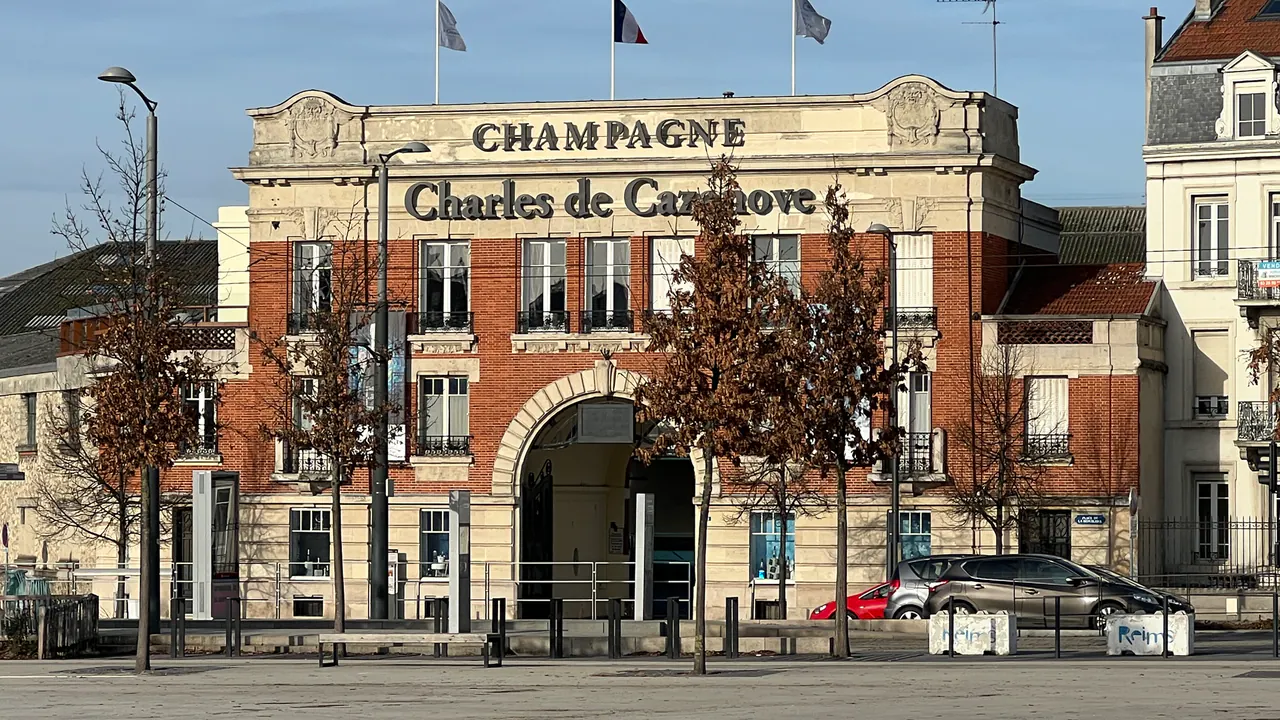
Charles de Cazanove — Champagne producer profile image.
Editorial profile
Champagne Charles de Cazanove is a historic house founded in 1811 by Charles Gabriel de Cazanove. The current house history places its origin in Avize, in the Côte des Blancs, while the modern business is based at 8 Place de la République in Reims.
The house entered a new period under the Rapeneau family in the early 2000s. Today 35 hectares of the Rapeneau family vineyard are dedicated to Charles de Cazanove, while additional fruit is sourced through selected grower relationships. The family vineyard has held Haute Valeur Environnementale certification since 2021.
Current house material identifies Christophe Rapeneau as cellar master. The range is broad rather than centred on one signature grape, spanning three-grape blends, 100% Chardonnay, 100% Meunier, zero-dosage Champagne, Premier Cru, vintage wines and limited editions.
Why this producer matters
Charles de Cazanove is interesting because its modern identity combines a long historical name with a clearly documented family-vineyard base. The 35 hectares dedicated to the house give the Rapeneau family direct control over a meaningful part of the supply, while selected grower relationships extend the sourcing palette beyond those holdings.
The vineyard geography also matters. Current first-party material names a series of Montagne de Reims villages — including Chamery, Écueil, Champillon, Dizy, Ambonnay, Bouzy, Louvois, Sermiers, Mutigny, Taissy, Fontaine-sur-Aÿ and Tauxières — as principal sourcing areas. That gives the range a strong Montagne de Reims dimension despite the house's historical foundation in Avize.
The current portfolio then uses that broad sourcing base in several ways: Tête de Cuvée is a balanced Pinot Noir/Meunier-led blend, Premier Cru is strongly Pinot Noir-led, Blanc de Blancs is pure Chardonnay, Cuvée Bio is pure Meunier from organically farmed fruit, and Millésime 2016 is a Chardonnay-majority vintage wine.
Vineyards and sourcing
The Rapeneau family has grown vines for four generations. Thirty-five hectares of the family vineyard are currently dedicated to Charles de Cazanove, and the estate has been HVE-certified since 2021.
Those 35 hectares are not the whole sourcing universe. The house also works with selected growers, allowing the cellar team to draw from a wider set of Champagne villages. Current first-party material emphasises Montagne de Reims sources including Chamery, Écueil, Champillon, Dizy, Ambonnay, Bouzy, Louvois, Sermiers, Mutigny, Taissy, Fontaine-sur-Aÿ and Tauxières.
The HVE certification applies to the family vineyard and should not be confused with organic certification. The separate Cuvée Bio is produced from organically grown grapes and has its own specific sourcing and certification basis.
Cellar and house style
Charles de Cazanove presents blending as the central cellar skill. The current range uses Pinot Noir, Meunier and Chardonnay in markedly different proportions depending on the wine, rather than imposing one permanent house formula.
Christophe Rapeneau is the current cellar master. The range includes conventional Brut, zero-dosage, Demi-Sec, organic, Premier Cru and vintage categories, making dosage level and grape composition important tools for distinguishing one cuvée from another.
Because the house publishes individual technical pages, exact blends are best understood at cuvée and release level rather than generalised across the whole brand.
Champagne.co analysis
Charles de Cazanove is best understood as a blending house with a meaningful family-vineyard foundation rather than either a pure estate grower or a house dependent entirely on external fruit. The 35 dedicated hectares provide continuity, while selected grower relationships widen the available terroir base.
The range is unusually useful for comparing how grape balance changes a house wine. Tête de Cuvée gives Pinot Noir and Meunier equal weight; Premier Cru pushes Pinot Noir to 80%; Blanc de Blancs removes the black grapes entirely; Cuvée Bio isolates Meunier; and Brut Nature changes not only the blend but the dosage category.
Millésime 2016 adds a further contrast by making Chardonnay the majority grape and tying the wine to a single harvest. The result is a portfolio that can be navigated by grape, dosage, sourcing category and vintage rather than by prestige level alone.
Buying guidance
- Best introduction: Tête de Cuvée is the clearest three-grape reference for the current house range.
- For Pinot Noir: Premier Cru is the most direct Pinot-dominant choice in the current classics.
- For Chardonnay: Blanc de Blancs provides the 100% Chardonnay route.
- For zero dosage: Brut Nature is the current non-dosed expression.
- For organic Champagne: Cuvée Bio is the dedicated 100% Meunier organic bottling.
- For a vintage comparison: Millésime 2016 is the current Chardonnay-majority vintage reference.
- For collectors of special presentations: the limited-edition range should be approached as release-specific rather than assumed to remain permanently available.
Loading current Champagne range…
Spotted something wrong? Report a correction
Every report goes to a human review queue. Nothing on this page changes automatically.