Château de Bligny
Château de Bligny is a récoltant-manipulant grower-producer in Bligny in the Côte des Bar, combining a historic château property with a working Champagne estate. The Rapeneau family acquired the property in 1999 and today operates a vineyard of…
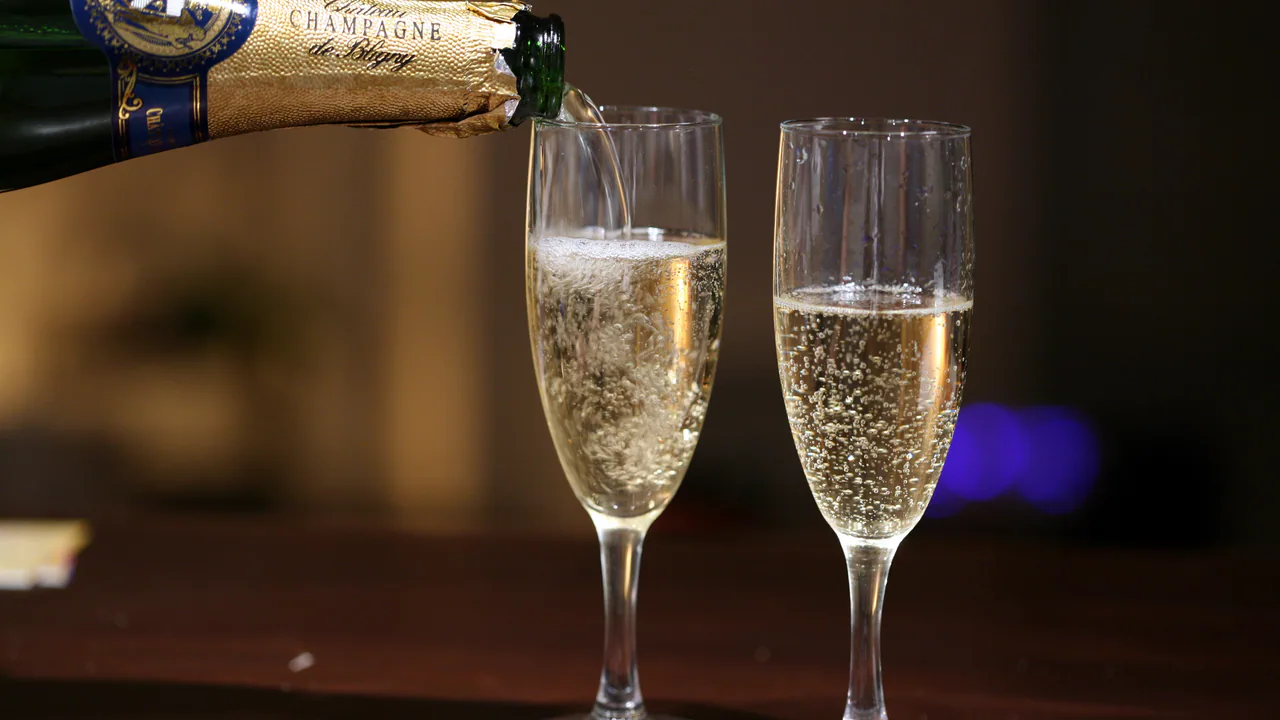
Château de Bligny — Champagne producer profile image.
Editorial profile
Château de Bligny is a récoltant-manipulant grower-producer in Bligny in the Côte des Bar, combining a historic château property with a working Champagne estate. The Rapeneau family acquired the property in 1999 and today operates a vineyard of approximately 30 hectares divided into eight plots around the château.
Pinot Noir and Chardonnay form the main vineyard base, while the estate’s most unusual wine comes from the enclosed Clos du Château, where six Champagne grape varieties are planted together. The property is certified Haute Valeur Environnementale level 3, and pressing, vinification and bottle ageing are all carried out within the château estate.
Why this producer matters
Château de Bligny has a unusually complete estate identity for the Côte des Bar: vineyard, pressing centre, winery, cellars and historic property occupy the same site. That makes the producer easier to read as one integrated domaine rather than a brand assembled from distant production stages.
The Clos du Château adds a second point of distinction. Instead of focusing on one dominant grape, it brings together Chardonnay, Pinot Noir, Meunier, Arbane, Pinot Blanc and Petit Meslier in equal proportions. The six grapes are harvested and pressed together, creating a wine whose identity is built around co-planted diversity and a single enclosed site.
Vineyard and terroir
The estate surrounds the château with approximately 30 hectares across eight plots, planted predominantly to Pinot Noir and Chardonnay. The Bligny landscape is characterised by steep Côte des Bar slopes and soils combining clay with Kimmeridgian limestone, the geological formation strongly associated with the southern Champagne vineyards.
The vineyard holds HVE level 3 certification. The estate’s current production model keeps the principal winemaking stages on site: grapes are pressed at the château, fermentation takes place in temperature-controlled stainless-steel vats, and the bottles mature in the property’s own cellars.
Cellar and blending approach
The regular house wines use reserve wine as part of their continuity, with the estate currently describing a reserve component of around 30% in its broader style. Exact blends and dosage then vary by cuvée rather than being imposed as one house-wide formula.
The Clos follows a different logic. The six varieties are grown together, harvested together and pressed together, then bottled as a Brut Nature. That makes it a co-planted, site-led expression rather than a conventional post-fermentation assemblage of separately selected grape components.
Champagne.co analysis
Château de Bligny is most interesting where estate integration and varietal diversity meet. The main range is straightforward — Pinot Noir and Chardonnay, reserve-wine continuity and wines made entirely at the property — but the Clos pushes the estate in a much less conventional direction.
The Clos matters because its six-grape composition is not simply a marketing list. The varieties are planted within one enclosed vineyard and processed together, so the wine is genuinely structured around field diversity. Arbane, Petit Meslier and Pinot Blanc therefore have an active role in a current Champagne rather than appearing only as historic curiosities.
The estate’s Côte des Bar setting also provides a useful contrast with northern Champagne houses. Kimmeridgian limestone, steep slopes and a Pinot Noir/Chardonnay-dominant vineyard frame the regular wines, while the clos shows how the same property can move beyond those two dominant grapes without abandoning a single-site identity.
Buying guidance
Grande Réserve is the clearest first bottle and the best introduction to the estate’s balanced Chardonnay/Pinot Noir core. Blanc de Blancs is the direct route to Chardonnay, while Grand Rosé provides the Pinot Noir-led rosé comparison.
For the producer’s distinctive side, Clos du Château is the key wine: it is the bottle that most clearly separates Château de Bligny from a conventional Côte des Bar range. Millésime 2009 Blanc de Blancs is the mature vintage reference, while the Champagne Egg Creation is better understood as a collector edition rather than the normal route into the wines.
Loading current Champagne range…
Spotted something wrong? Report a correction
Every report goes to a human review queue. Nothing on this page changes automatically.