Christophe Mignon
Champagne Christophe Mignon is a family grower based at La Boulonnerie, Le Mesnil-le-Huttier, a hamlet of Festigny in the Vallée de la Marne. The family traces its winegrowing line to 1882. Christophe Mignon, the fifth generation, created the present…
Editorial profile
Champagne Christophe Mignon is a family grower based at La Boulonnerie, Le Mesnil-le-Huttier, a hamlet of Festigny in the Vallée de la Marne. The family traces its winegrowing line to 1882. Christophe Mignon, the fifth generation, created the present domaine in 1983; his wife Laurence joined the business in 2006, and their son Loann became the sixth generation to work at the estate in 2020.
Meunier is the centre of gravity. The current range still places 100% Meunier Brut Nature at the heart of the domaine, but Christophe Mignon also uses Chardonnay, Pinot Noir and equal-parts three-grape blends to create deliberate comparisons of grape, vessel and dosage.
Why this producer matters
Christophe Mignon is distinctive because several production choices repeat across the range: parcel-by-parcel vinification, no malolactic fermentation and bottling/disgorgement timed with the lunar calendar. Those common rules make the differences between the wines easier to read.
The other defining contrast is vessel. The ADN de Meunier wines are tank-led, while ADN de Foudre moves Chardonnay, Pinot Noir and three-grape wines into large oak.
Vineyards and farming
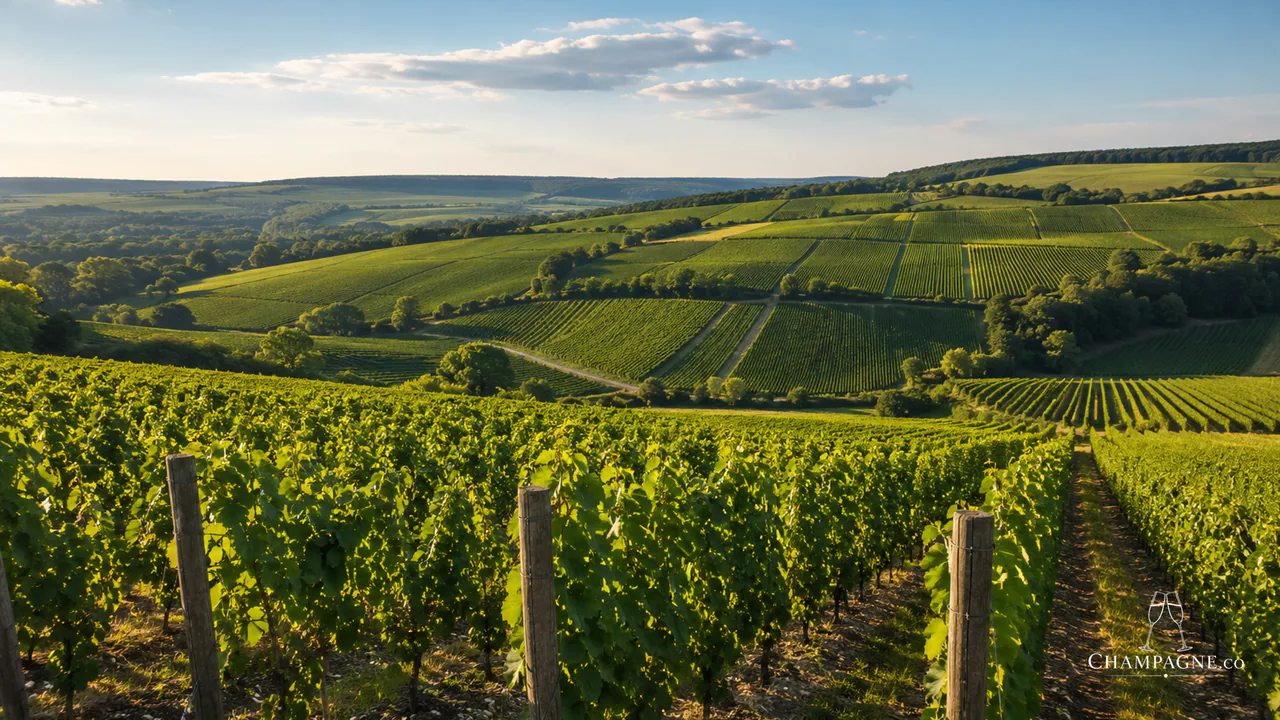
The core vineyards lie in Festigny and Le Breuil on clay-limestone and clay-silt-limestone soils, generally with south to south-west exposure. The current Meunier Brut Nature release comes from parcels averaging about 48 years old, giving an indication of the mature-vine base behind the domaine’s principal grape.
Christophe Mignon describes his vineyard work as “alternative methods” certified Arterra, with lunar-calendar timing incorporated into the programme. Arterra is kept in its own terms here: it is not converted into an organic or biodynamic certification claim.
Harvesting is manual, and grapes are pressed in pneumatic presses at the domaine. Parcels remain separate through the early stages of vinification rather than being combined immediately after pressing.
Cellar and winemaking
The principal wines are vinified separately by parcel in enamelled-steel or stainless-steel tanks, with malolactic fermentation blocked. For ADN de Meunier, each terroir stays separate for around five months on lees before blending, while reserve wines receive additional time on fine lees.
The ADN de Foudre wines add a period in large oak after tank vinification. The exact time varies by wine and release, but the current Chardonnay and three-grape wines spend about a year in foudre. The Pinot Noir programme likewise uses foudre ageing before extended bottle maturation.
Bottling and disgorgement are scheduled with reference to the lunar calendar, and the disgorgement date is printed on the bottle. Dosage ranges from Brut Nature to Extra-Brut versions of several wines.
Champagne.co analysis
Christophe Mignon’s range works like a set of controlled comparisons. Meunier is the baseline, especially in the tank-led ADN de Meunier wines. The foudre series then changes the grape and the vessel while keeping other recurring house choices — parcel separation, no malolactic fermentation and lunar-calendar timing — visible in the background.
That makes the domaine more interesting than a simple “Meunier specialist” label. Chardonnay and Pinot Noir are not side projects; they are used to test how the same cellar philosophy behaves with different varieties. The equal-thirds 3 Cépages wine goes one step further by holding the grape proportions in balance while keeping foudre as the defining élevage choice.
The range also gives dosage a genuine comparative role. Brut Nature and Extra-Brut versions appear side by side across several families, allowing readers to explore dosage without assuming that one level is automatically a quality hierarchy.
Buying guidance
ADN de Meunier Brut Nature is the essential first bottle because it gives the clearest view of the domaine’s core grape and tank-led cellar style. The Extra-Brut version is the obvious follow-up for a dosage comparison.
For the foudre side of the estate, ADN de Foudre Chardonnay 2018 provides the cleanest white-grape contrast, while ADN de Foudre Pinot Noir 2017 shows the same broad approach with a black grape. ADN de Foudre 3 Cépages 2017 is the best choice for readers who want to see the three principal Champagne grapes held in equal proportion.
The Meunier Millésime 2016 wines are the route into vintage-specific Meunier, while the blended rosé and Rosé de Saignée should be compared as different rosé-making methods rather than treated as interchangeable styles.
Loading current Champagne range…
Spotted something wrong? Report a correction
Every report goes to a human review queue. Nothing on this page changes automatically.