Domaine de Bichery
Domaine de Bichery is a grower estate in Neuville-sur-Seine in the Côte des Bar, run by Hannah and Raphaël Piconnet. The estate farms Pinot Noir, Chardonnay and Meunier organically; the Association des Champagnes Biologiques lists 8 hectares under organic…
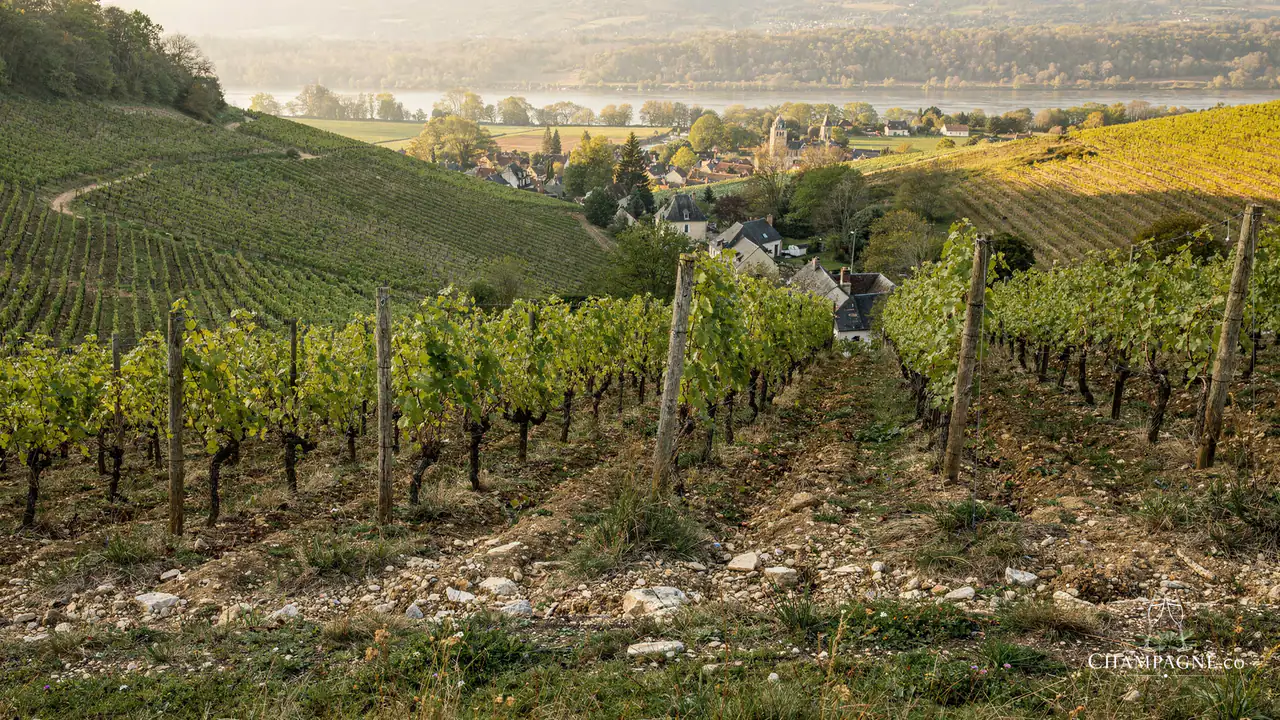
Editorial profile
Domaine de Bichery is a grower estate in Neuville-sur-Seine in the Côte des Bar, run by Hannah and Raphaël Piconnet. The estate farms Pinot Noir, Chardonnay and Meunier organically; the Association des Champagnes Biologiques lists 8 hectares under organic certification, with the first certified-organic harvest in 2019.
Bichery’s identity is unusually harvest- and parcel-conscious. Rather than building a house style around large reserve-wine blends, the range focuses attention on individual growing seasons, specific vineyard combinations and, for some wines, individual sites. That makes vintage context especially important when comparing bottles carrying the same cuvée name.
Why this producer matters
Bichery represents the small-estate, site-focused side of the Côte des Bar. Its significance is not scale but the way the range separates different expressions of its vineyards: a broader estate blend sits alongside Pinot Noir-led wines, rosé, rarer parcel bottlings and Coteaux Champenois.
The estate’s organic certification gives the farming story a clear factual foundation. Its three principal Champagne varieties also allow the range to explore more than a single-variety identity, even though Pinot Noir is particularly important in several of the better-known cuvées.
Vineyards and terroir
The domaine is based at Neuville-sur-Seine, in the southern Champagne landscape of the Côte des Bar. Its vineyards include parcels used individually as well as sites combined within broader cuvées. Names encountered across current and recent releases include La Fontaine du Noyer, Val Ligé and other named plots around the estate.
The practical consequence for buyers is that Bichery is best understood parcel by parcel and harvest by harvest. A vineyard name on one bottle should not be treated as shorthand for the entire estate, and a blend reported for one release should not automatically be carried forward to another.
Winemaking and cellar approach
Recent releases show a cellar approach built around relatively small lots, with both barrel and stainless-steel vessels used according to the wine. Naturally occurring malolactic conversion and extended lees ageing feature in recent release information, while several current-market Champagnes are presented without dosage.
Those details are most useful when kept tied to the individual release. Vessel proportions, blends and bottling or disgorgement dates can change between harvests, so Bichery’s wines reward reading the release identity rather than assuming a fixed recipe.
Champagne.co analysis
Bichery is most coherent when viewed as a collection of growing-season interpretations rather than a hierarchy built around prestige labels. The recurring thread is separation: parcels, varieties and harvests are given enough space to produce visibly different wines, while the broader cuvées provide a route into the estate without requiring the buyer to start with its smallest lots.
That structure also explains why older bottles can look technically different from current ones without representing a contradiction. The estate’s appeal lies partly in those differences between releases. For collectors and engaged drinkers, the label’s harvest or release code is therefore meaningful information rather than a minor production detail.
Buying guidance
Start with La Source for the broadest introduction to the domaine, then move to Les Terres Mêlées if the Pinot Noir side of the estate is the priority. Les Fontaines provides the rosé route, while the smaller parcel bottlings are better suited to buyers who specifically want to compare sites or varieties.
When buying across different years, compare the precise release rather than relying on a single generic specification. Blend, vessel proportions and cellar dates can be release-specific. Coteaux Champenois should also be bought as still wine in its own right, not as an alternative format of the Champagne cuvées.
Loading current Champagne range…
Spotted something wrong? Report a correction
Every report goes to a human review queue. Nothing on this page changes automatically.