Drappier
Champagne Drappier is a family house based in Urville in the Côte des Bar. The family established its winegrowing estate there in 1808, while the cellars used by the house include a Cistercian site whose history reaches back to the twelfth century. Pinot…
Editorial profile
Champagne Drappier is a family house based in Urville in the Côte des Bar. The family established its winegrowing estate there in 1808, while the cellars used by the house include a Cistercian site whose history reaches back to the twelfth century. Pinot Noir is the defining grape of the estate vineyard, accounting for about 70% of plantings.
Why this producer matters
Drappier brings together a long family history, a strongly Pinot Noir-led Côte des Bar identity and an unusually visible commitment to Champagne's minority grape varieties. Alongside Pinot Noir, Meunier and Chardonnay, the estate maintains Arbanne, Petit Meslier, Blanc Vrai and Fromenteau, with four hectares devoted to those historic varieties.
Family, vineyard and terroir
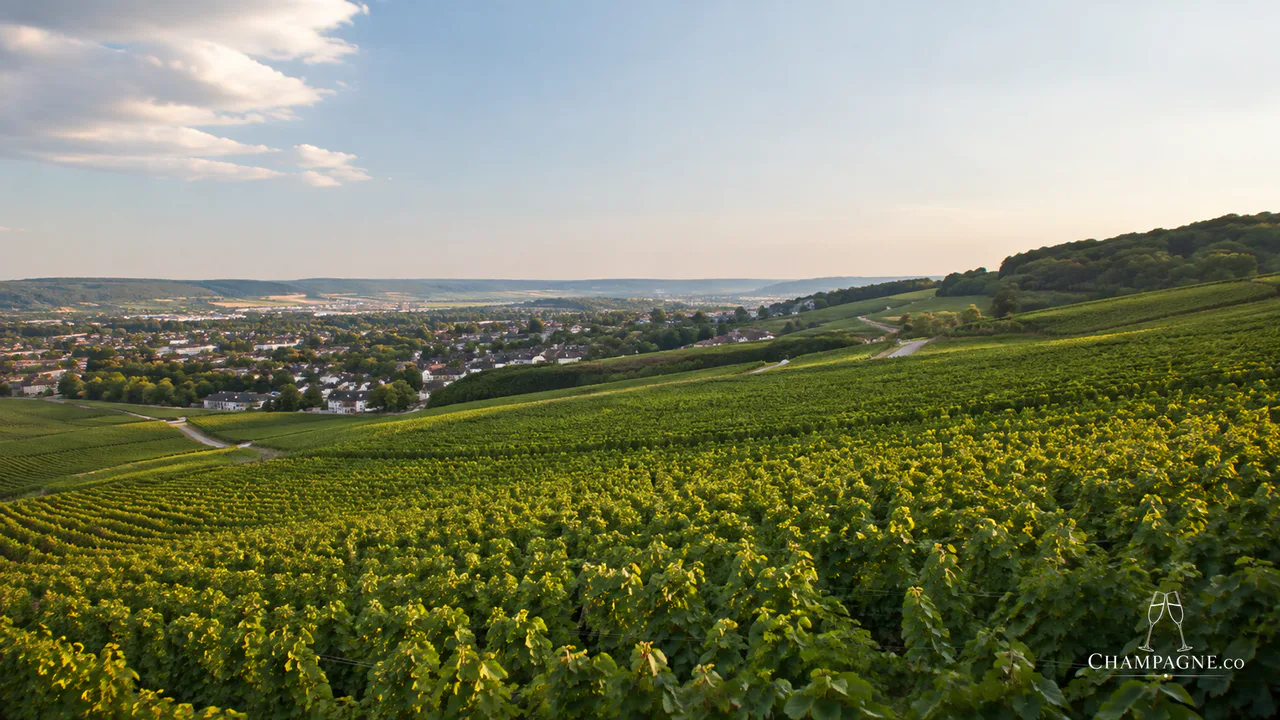
The vineyard is centred on Urville. Drappier describes its soils there as rich in Kimmeridgian-age limestone. Current house material gives the estate vineyard mix as approximately 70% Pinot Noir, 15% Meunier, 9% Chardonnay and 6% historic varieties.
Michel Drappier has overseen vinification since 1979. The eighth generation has joined the family business: Charline works in marketing, Hugo in viticulture and oenology, and Antoine in vineyard and nature-focused work.
Drappier applies its sustainable and certified-organic programme across a defined 27-hectare area. That scope is important: it should not be read as a claim that every vineyard associated with the house carries the same certification.
Champagne.co analysis
Drappier is one of the clearest reference points for understanding the Côte des Bar through Pinot Noir without reducing the region to a single grape or style. Its preservation of minority varieties adds another dimension, while the family continuity and organic programme make the estate useful for readers interested in how established Champagne houses are adapting vineyard practice without abandoning regional history.
Buying guidance
Start with the wine that best matches the aspect of Drappier you want to explore. Carte d'Or foregrounds the house's Pinot Noir identity; Brut Nature focuses on zero dosage; Quattuor is the clearest route into the historic varieties; and Grande Sendrée represents the prestige-vintage end of the range. Check the exact release when blend, vintage, dosage or disgorgement detail matters, because those specifications can vary between bottlings.
Loading current Champagne range…
Spotted something wrong? Report a correction
Every report goes to a human review queue. Nothing on this page changes automatically.