Duval-Leroy
Duval-Leroy is a family Champagne house in Vertus, founded in 1859. The present family leadership spans Carol Duval-Leroy and the next generation, her sons Julien, Charles and Louis. Its identity combines established house-scale blending with a notably…
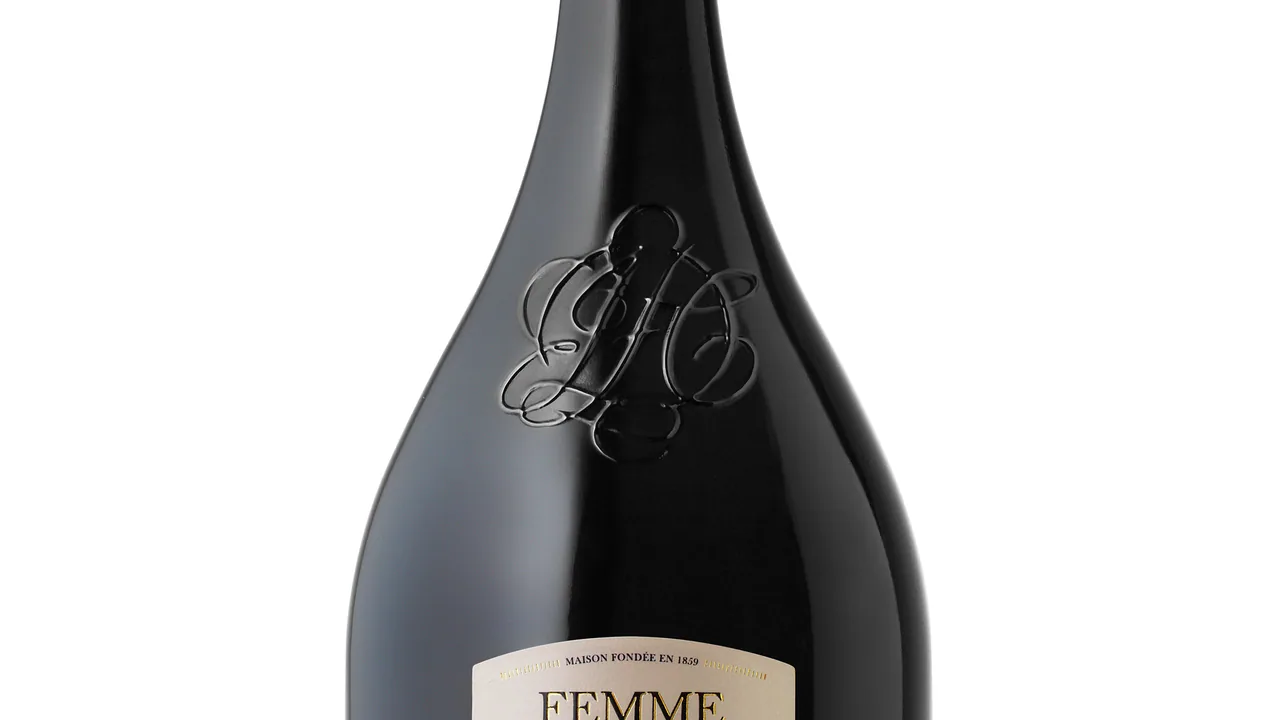
Duval-Leroy — Champagne producer profile image.
Editorial profile
Duval-Leroy is a family Champagne house in Vertus, founded in 1859. The present family leadership spans Carol Duval-Leroy and the next generation, her sons Julien, Charles and Louis. Its identity combines established house-scale blending with a notably broad interest in organic viticulture, individual parcels and less-common grape varieties.
The range stretches from Brut Réserve and Rosé Prestige Premier Cru through Brut Organic Viticulture and Cuvée M.O.F. to more specialised wines including Clos des Bouveries, Petit Meslier and Femme de Champagne.
Why this producer matters
Duval-Leroy is unusual among larger family houses for placing several distinct ideas side by side: a multi-cru non-vintage blend, certified-organic Champagne, a named single-vineyard Chardonnay and a pure Petit Meslier bottling. The house also has a long record of formal environmental and quality initiatives, including an organically certified Brut and early adoption of environmental certification.
That breadth makes Duval-Leroy useful to understand as more than a single house style. Its current portfolio moves between blending for continuity and bottlings designed to isolate a grape variety, parcel or particular production idea.
House, vineyard and cellar identity
The house is based in Vertus in the Côte des Blancs. Brut Réserve brings together Pinot Noir, Meunier and Chardonnay from around fifteen crus with reserve wines, illustrating the blended side of the range.
Clos des Bouveries takes the opposite approach. This historic family parcel lies on the mid-slope at Vertus with an easterly exposure. The wine is Chardonnay from that single site, vintage-dated each year, with fermentation divided between oak and tank. Duval-Leroy describes this as an “oeno-climatic” project: the parcel is held constant so successive vintages can show the interaction between site and growing season.
The organic Brut is made from Chardonnay and Pinot Noir grown under organic certification, with part of the wine vinified in tank and part in oak. This is a defined cuvée rather than a claim that every Duval-Leroy vineyard or wine is organic.
Champagne.co analysis
Duval-Leroy's most distinctive feature is the contrast within its own range. Brut Réserve depends on the classic house skill of assembling multiple crus, varieties and reserve wines. Clos des Bouveries deliberately narrows the variables to one Chardonnay parcel. Petit Meslier narrows them in another direction, focusing on a grape seldom bottled alone. The organic Brut adds a viticultural distinction without turning that practice into an unsupported house-wide claim.
For readers, this makes the portfolio particularly instructive: several different ways of constructing Champagne sit under one family-house identity. The safest way to understand Duval-Leroy is therefore cuvée by cuvée, keeping vintage, blend and dosage details attached to the release for which they are stated.
Buying guidance
For the broadest introduction to the house, Brut Réserve is the logical starting point because it represents Duval-Leroy's multi-cru blending approach. Buyers specifically interested in organic viticulture can look to Brut Organic Viticulture, while Clos des Bouveries is the more focused choice for a single-site, Chardonnay-led perspective on Vertus.
Petit Meslier is a specialist historic release rather than a substitute for the core range, and availability may be limited. Cuvée M.O.F. and Femme de Champagne sit further toward the house's special-release and prestige end. When comparing bottles, check the exact release: vintage, blend and dosage information can differ between editions.
Loading current Champagne range…
Spotted something wrong? Report a correction
Every report goes to a human review queue. Nothing on this page changes automatically.