Éric Rodez
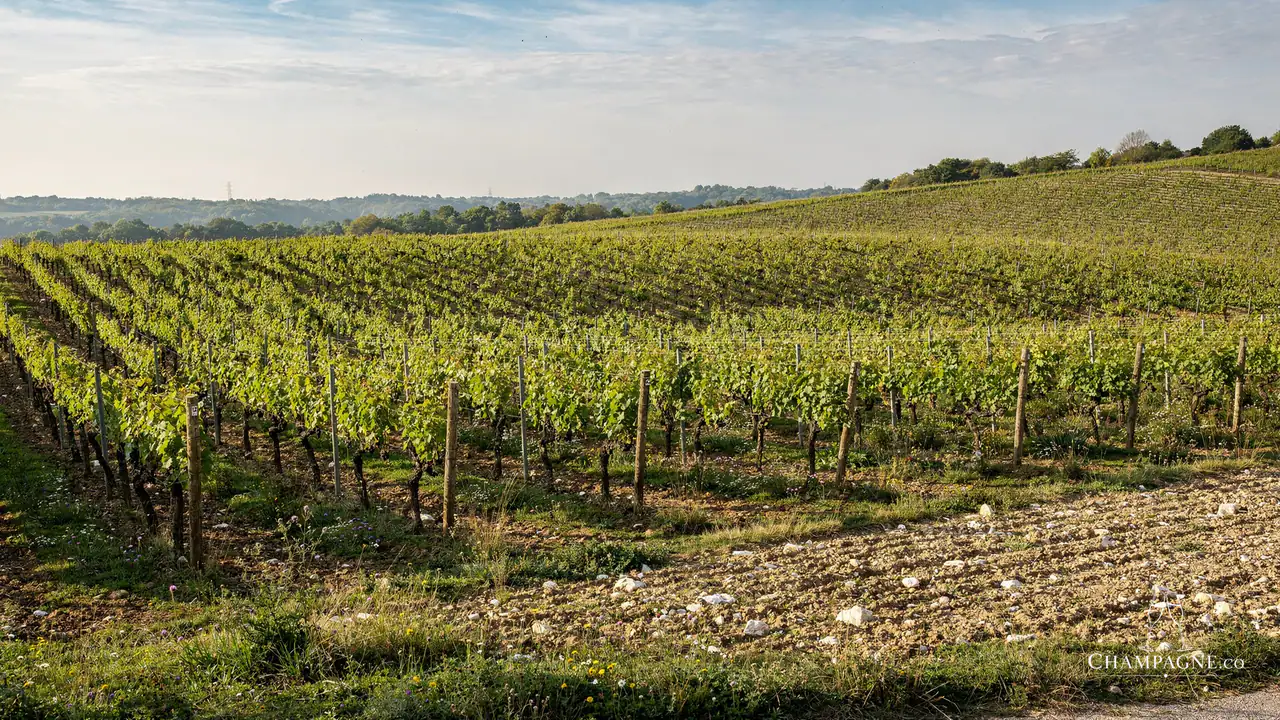
Champagne Rodez is an Ambonnay family domaine with a history extending across nine generations. Its vineyards are centred on the Grand Cru slopes of Ambonnay and Bouzy, while the cellar is in Ambonnay.
Editorial profile
Champagne Rodez is an Ambonnay family domaine with a history extending across nine generations. Its vineyards are centred on the Grand Cru slopes of Ambonnay and Bouzy, while the cellar is in Ambonnay.
The domaine combines certified organic and biodynamic farming with a notably detailed range of numbered editions, parcel wines, varietal expressions and still Coteaux Champenois. Comité Champagne currently lists the producer for organic farming, HVE and Demeter biodynamic agriculture.
Why this producer matters
Rodez is useful for understanding how a grower can build complexity without abandoning a strong village identity. Ambonnay remains the centre of gravity, but the range moves through multi-vintage blends, single-variety wines, individual parcels and still wines.
Wood is also an important part of the cellar vocabulary. Current producer material repeatedly documents barrel vinification, while exact proportions and malolactic-fermentation choices vary by wine and edition. This makes Rodez a producer where release identity matters as much as cuvée name.
Vineyards and farming
The family works vineyards on the hills of Ambonnay and Bouzy. Organic and biodynamic credentials are current rather than historical claims: Comité Champagne independently identifies organic, HVE and Demeter status, and the producer presents those certifications as part of its present domaine identity.
The farming story is therefore best expressed through verified certification and place rather than broad claims about what biodynamics supposedly does to flavour.
Winemaking and cellar approach
Oak is a recurring feature across the current range. Producer release material documents substantial or complete barrel vinification for several wines, while malolactic fermentation may be limited or blocked depending on the cuvée.
Those choices should not be converted into one universal recipe. Rodez works with numbered editions and vintages, so blend, oak proportion, dosage and fermentation details belong to the exact release in which they are documented.
Champagne.co analysis
Rodez is best understood through two intersecting ideas: certified vineyard practice and release architecture. The farming credentials are unusually easy to verify, while the cellar deliberately creates many distinct lenses on Ambonnay and its varieties.
For readers, the numbered-edition system is not administrative detail. It is essential to understanding what is in the bottle. A Cuvée des Crayères or Blanc de Noirs from one edition should not automatically inherit the blend or cellar specifications of another.
Buying guidance
For an introduction, Cuvée des Crayères provides a broad view of the domaine. The Blanc de Blancs and Blanc de Noirs editions are useful next steps for comparing variety, while Les Beurys and La Pierre aux Larrons move the focus toward individual parcels.
Always note the edition or vintage when buying. Rodez’s catalogue is deliberately release-specific, and technical details can change.
Loading current Champagne range…
Spotted something wrong? Report a correction
Every report goes to a human review queue. Nothing on this page changes automatically.