Ferdinand Bonnet
Champagne Ferdinand Bonnet is a house based in Les Riceys in the Côte des Bar and is part of the Lanson-BCC group. The current Union des Maisons de Champagne record dates the house to 1970 and lists Arnaud Fabre as Chairman, Thomas Remy as Managing…
Editorial profile
Champagne Ferdinand Bonnet is a house based in Les Riceys in the Côte des Bar and is part of the Lanson-BCC group. The current Union des Maisons de Champagne record dates the house to 1970 and lists Arnaud Fabre as Chairman, Thomas Remy as Managing Director and Irvin Charpentier as Cellar Master.
Ferdinand Bonnet should be kept distinct from sister producer Domaine Alexandre Bonnet. Ferdinand Bonnet operates as a Champagne house with close grower relationships and a concise range of house cuvées; estate-vineyard and parcel claims belonging to Domaine Alexandre Bonnet should not be transferred across simply because both are based at Les Riceys.
Why this producer matters
The house offers a clear southern-Champagne identity within a larger group structure. Pinot Noir is central, reflecting the Côte des Bar context, while the current range also uses Chardonnay and Pinot Blanc.
Its role inside Lanson-BCC is also distinctive. Current group material describes Ferdinand Bonnet as working closely with local growers and as an important source of grapes for its own wines and for other houses in the group. That makes grower relationships part of the house's operating identity rather than a peripheral sourcing detail.
House and cellar identity
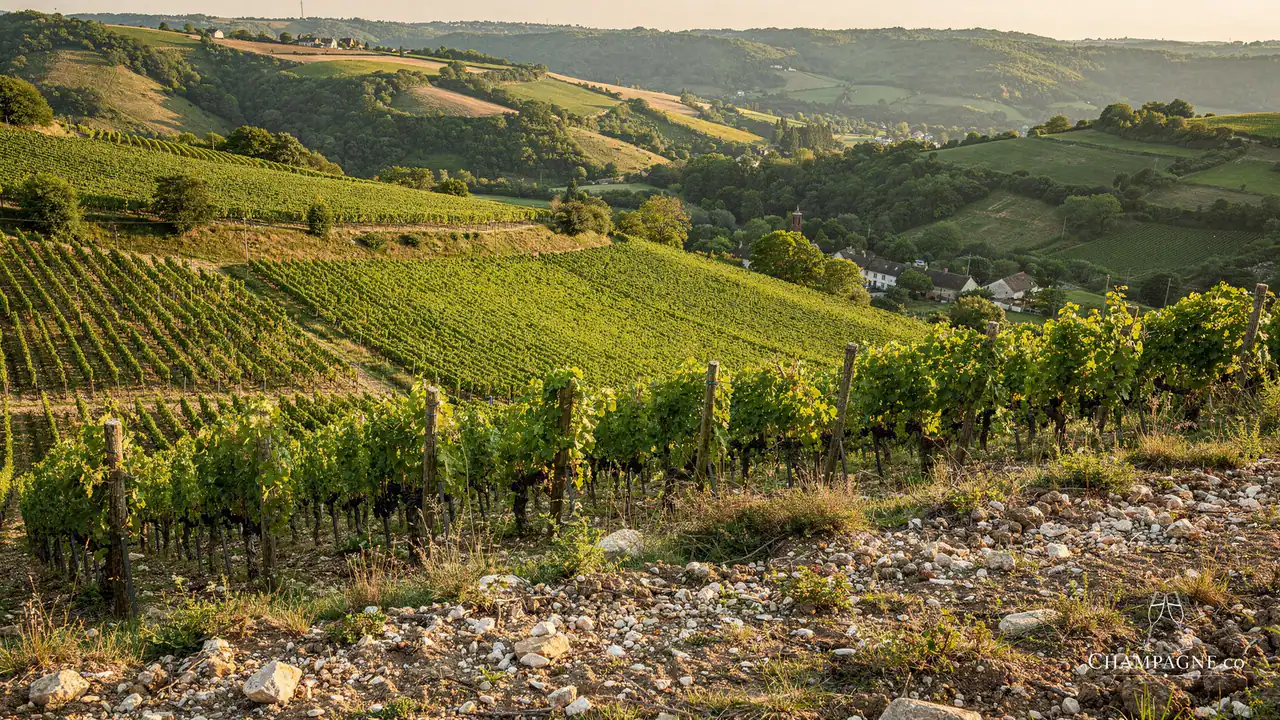
Ferdinand Bonnet is based at Les Riceys, one of the most important winegrowing communes in the southern Champagne region. Current UMC records place vineyard relations under the house's management team and identify Irvin Charpentier as Cellar Master.
The house's modernisation has continued under Lanson-BCC, including investment in the Les Riceys production site. Exact vineyard ownership should not be inferred from that investment or from the holdings of Domaine Alexandre Bonnet.
Champagne.co analysis
Ferdinand Bonnet is best understood as a Côte des Bar house built around Pinot Noir and local grower relationships. Grande Réserve sets the house style, while Blanc de Noirs pushes the black-grape identity further and the Organic, Rosé and Vintage wines extend the range without requiring a sprawling catalogue.
The main editorial discipline is separation from Domaine Alexandre Bonnet. The two producers share geography and group ownership, but their vineyard, parcel and product identities are not interchangeable.
Buying guidance
Start with Grande Réserve for the broadest introduction to the house. Choose Blanc de Noirs if Pinot Noir expression is the main interest, or the Organic cuvée when the exact certified release is available.
For Rosé and Vintage, check the specific bottling and year. Do not use Domaine Alexandre Bonnet's estate wines, Rosé des Riceys or Coteaux Champenois as substitutes for missing Ferdinand Bonnet information; they belong to a separate producer identity.
Loading current Champagne range…
Spotted something wrong? Report a correction
Every report goes to a human review queue. Nothing on this page changes automatically.