Frerejean Frères
Frerejean Frères is an Avize-based Champagne house founded in 2005 by brothers Guillaume, Richard and Rodolphe Frerejean Taittinger. The maison places the chalk terroirs of the Côte des Blancs and long ageing at the centre of its identity, with a range…
Editorial profile
Frerejean Frères is an Avize-based Champagne house founded in 2005 by brothers Guillaume, Richard and Rodolphe Frerejean Taittinger. The maison places the chalk terroirs of the Côte des Blancs and long ageing at the centre of its identity, with a range designed around both non-vintage cuvées and wines intended for extended maturation.
The first vintage produced by the brothers was 2005. That year became the basis of the inaugural Cuvée des Hussards, released in 2011 after six years of ageing and named in reference to the family’s industrial and military heritage.
Why this producer matters
Frerejean Frères is a comparatively young house in Champagne terms, but its positioning is deliberately rooted in Avize and long maturation rather than rapid expansion or a broad commercial portfolio. The founders combine a maternal connection to the Taittinger family with the Frerejean family’s older Burgundian and industrial history.
The maison’s modern story is therefore one of a new house using established Champagne traditions—chalk, reserve wines, lees ageing and vintage cuvées—to build its own identity from the mid-2000s onward.
Terroir and house approach
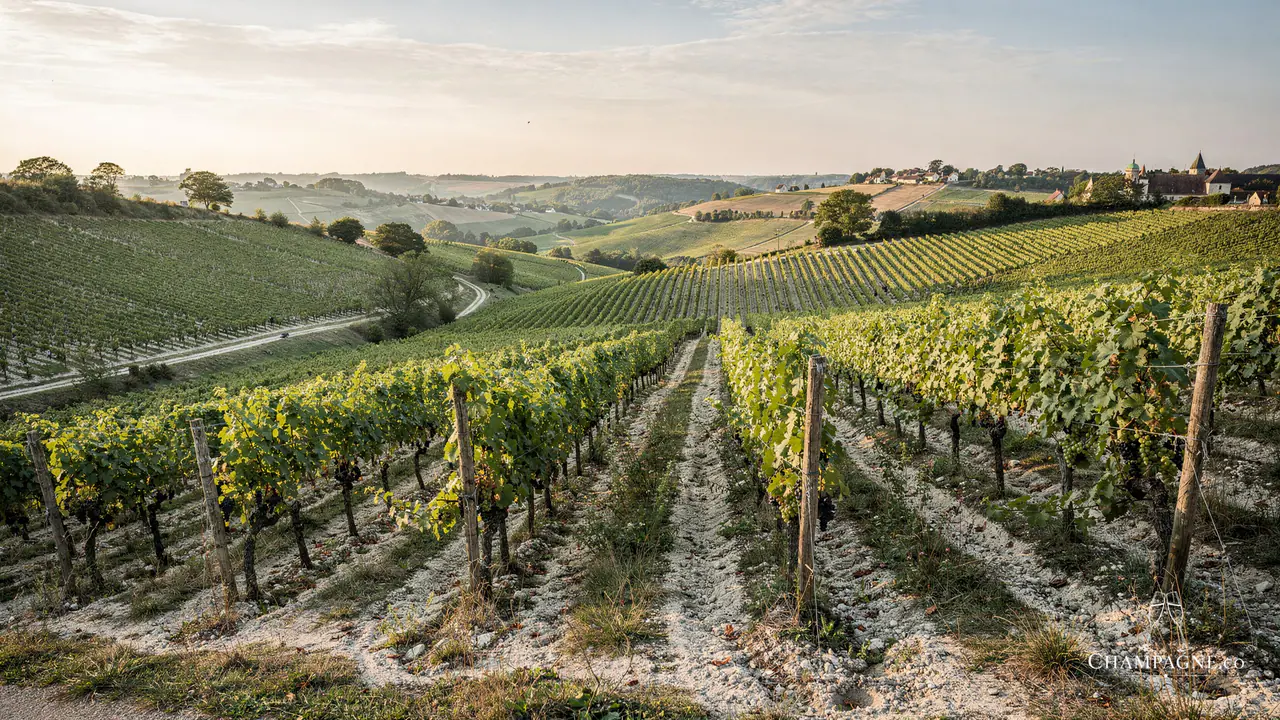
Avize provides the geographical anchor for Frerejean Frères. The house consistently presents the Côte des Blancs’ chalk soils as fundamental to its wines, while its current portfolio also uses both Chardonnay and Pinot Noir according to cuvée.
The maison places particular emphasis on time in cellar. Extended ageing is treated not as a detail attached only to prestige bottlings but as a broad part of the house philosophy, although exact duration and blend must still be read bottle by bottle.
Cellar and winemaking
The current range spans blends and vintage wines, so there is no single technical formula that can safely describe every cuvée. Ageing, dosage, blend and vintage remain release-specific.
For example, the current Grande Réserve is described by the house as a blend of the three principal Champagne varieties and receives four years of cellar ageing. That specification belongs to Grande Réserve and should not be applied automatically to the rest of the collection.
Champagne.co analysis
Frerejean Frères is best understood as a modern Champagne house trying to make time itself part of the style. Its founding date is recent, but the proposition is not built around novelty. Instead, the house uses Avize, prolonged ageing and a selective range to create continuity between its 2005 beginnings and its current portfolio.
That makes it different from both a small grower defined by a handful of family parcels and a large historic maison built over centuries. Its identity sits between those models: a young, family-founded house with an intentionally classical emphasis on cellar maturation.
Buying guidance
Grande Réserve is the most accessible starting point for the house and the clearest way to understand its blended style and emphasis on ageing. Buyers looking for a more Chardonnay-focused route should consider the current Blanc de Blancs offerings, while Cuvée des Hussards is the natural choice for the maison’s vintage-led, longer-ageing expression.
For prestige and vintage bottles, check the exact release before relying on blend, dosage or ageing figures from an earlier vintage. Frerejean Frères makes time a central part of its story, but the technical details still belong to each individual cuvée.
Loading current Champagne range…
Spotted something wrong? Report a correction
Every report goes to a human review queue. Nothing on this page changes automatically.