Gardet
Champagne Gardet is an independent family-owned house based in Chigny-les-Roses, a Premier Cru village on the Montagne de Reims. The house was founded by Charles Gardet in Épernay in 1895 and later established its family base in Chigny-les-Roses.
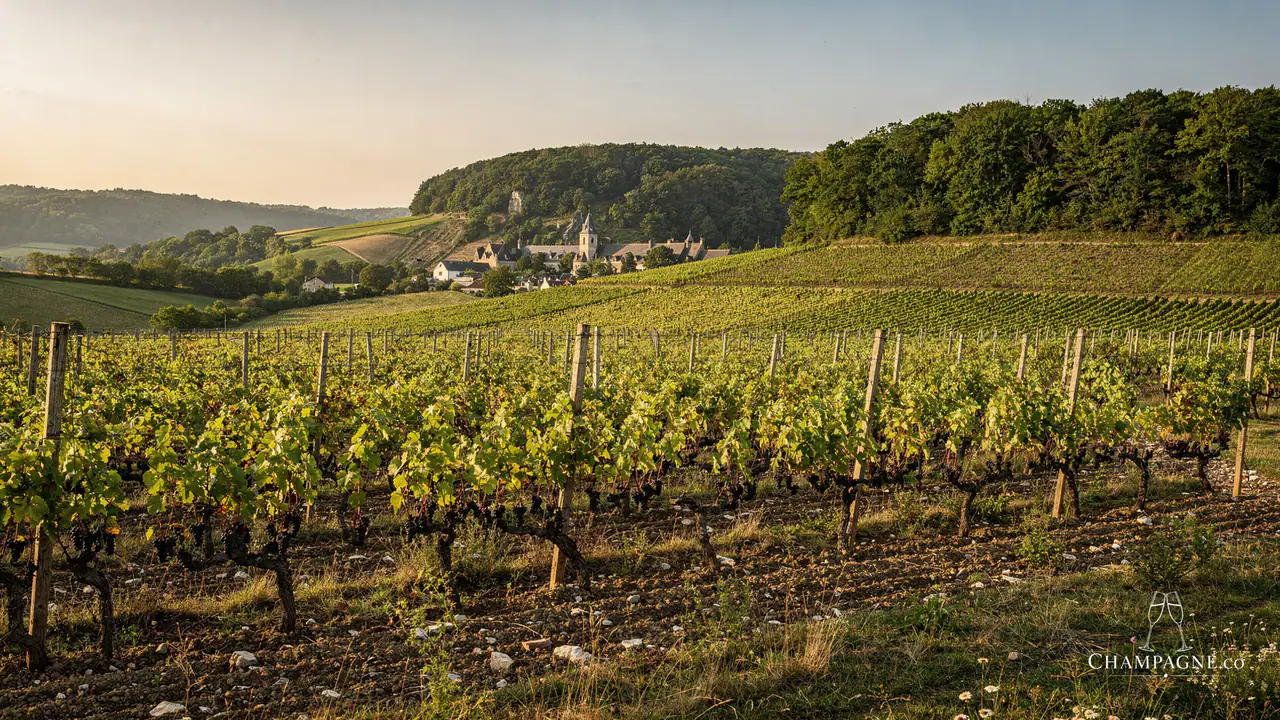
Editorial profile
Champagne Gardet is an independent family-owned house based in Chigny-les-Roses, a Premier Cru village on the Montagne de Reims. The house was founded by Charles Gardet in Épernay in 1895 and later established its family base in Chigny-les-Roses.
Gardet operates as a négociant-manipulant rather than as a grower-only domaine. Its identity therefore combines a small estate vineyard with a much wider network of partner growers, giving the cellar team access to fruit from several Champagne sectors.
Why this producer matters
Gardet is a useful example of a smaller independent maison whose character comes from reserve-wine management and long cellar maturation rather than from one village or one grape variety. Its current range spans traditional Brut styles, low- and zero-dosage wines, Blanc de Noirs, rosé, vintage Champagne and prestige Chardonnay.
The house also maintains perpetual-reserve programmes in both oak and stainless steel, linking older reserve material to current bottlings rather than relying only on wines from the latest harvest.
Vineyard and sourcing
Gardet should not be described as a five-hectare grower estate. The house works from its own small vineyard base and from partner growers across a substantially broader Champagne supply network.
This sourcing model gives Gardet access to fruit from the Montagne de Reims, Vallée de la Marne and Côte des Blancs, depending on the cuvée. Exact village origin and classification are best read at bottle level where the house identifies them directly.
Cellar and winemaking
Reserve wines are central to Gardet’s cellar approach. The house works with stainless steel and oak foudres, and certain cuvées draw on perpetual reserves maintained over many years.
Current examples show how release-specific the technical detail can be. Dosage Zéro combines wines from several harvest years and is currently specified at 0 g/L dosage, while Brut Réserve includes reserve wine matured in oak and receives extended bottle ageing. Those details belong to the named wines and should not be generalised across the entire portfolio.
Champagne.co analysis
Gardet’s strongest point of distinction is its reserve-wine culture. The house is neither a narrowly defined grower domaine nor a large multinational maison; instead, it uses broad sourcing, extended ageing and different reserve systems to create continuity across a relatively compact independent range.
That makes comparison within the portfolio particularly useful. Brut Tradition shows the regular house style, Brut Réserve emphasises reserve components, Dosage Zéro removes dosage entirely, and Charles Gardet Blanc de Blancs moves toward the prestige Chardonnay end of the collection.
Buying guidance
Start with Brut Tradition for the most direct introduction. Brut Réserve is the better choice for buyers specifically interested in Gardet’s reserve-wine and longer-ageing approach, while Dosage Zéro is the obvious route for a no-dosage style.
For a more Chardonnay-focused bottle, look to Charles Gardet Blanc de Blancs. Vintage and œnothèque wines should be assessed by exact release because age, blend, dosage and availability can change substantially from one bottle to another.
Loading current Champagne range…
Spotted something wrong? Report a correction
Every report goes to a human review queue. Nothing on this page changes automatically.