Gaspard Brochet
Gaspard Brochet is an Écueil-based grower on the western side of the Montagne de Reims. He began making wine independently in 2017 after taking over part of the family vineyard, while remaining connected to the wider Brochet family operation in Écueil.
Editorial profile
Gaspard Brochet is an Écueil-based grower on the western side of the Montagne de Reims. He began making wine independently in 2017 after taking over part of the family vineyard, while remaining connected to the wider Brochet family operation in Écueil.
Current specialist-importer information places his own vineyard at about 3.2 hectares across Écueil, Villers-aux-Nœuds and Sacy. The holdings are divided among 14 parcels, with some vines dating from the 1950s and 1960s.
Why this producer matters
Brochet represents a very small, parcel-focused contemporary domaine emerging from an established Écueil winegrowing family. Comité Champagne’s current directory still identifies Gaspard alongside Vincent Brochet in the family operation at Écueil, while his own independent wines are made from a subset of family vineyard land.
The important distinction is therefore between the broader Vincent Brochet domaine and Gaspard Brochet’s smaller independent production. The two should not be conflated when quoting vineyard area, range or technical details.
Vineyard and terroir
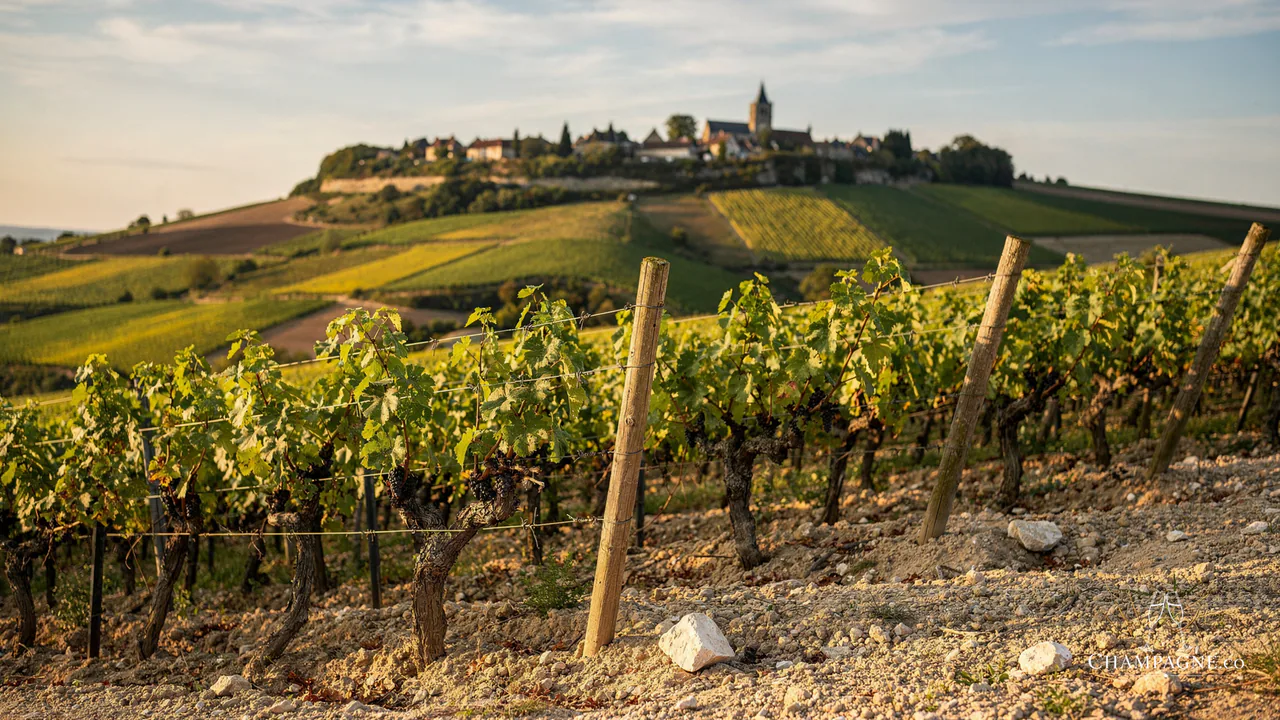
Gaspard Brochet’s current vineyard footprint is described as roughly 3.2 hectares in Écueil, Villers-aux-Nœuds and Sacy. Écueil itself is a Premier Cru village on the Montagne de Reims and is strongly associated with Pinot Noir.
The 14-parcel holding includes old vines in some sites. Current importer information states that the vineyards have been farmed biodynamically since the 2022 vintage. Because this farming detail is supported through specialist importer material rather than a current producer-controlled technical site, it is best treated as a present-vintage statement rather than projected indefinitely into the future.
Cellar and winemaking
Brochet’s wines are generally organised around individual plots and vintages rather than a large fixed house range. Current specialist information describes substantial use of wood and a cellar approach that exposes the wines to oxygen during élevage.
Those details are useful for understanding the producer, but exact barrel regime, vintage, dosage and parcel identity should remain tied to the specific bottle. The domaine is small and its release architecture is fluid, so old technical sheets should not be treated as permanent specifications.
Champagne.co analysis
Gaspard Brochet matters less for scale than for the way a new independent domaine has emerged from an older Écueil family structure. His vineyard remains concentrated in three nearby western Montagne de Reims villages, and the wines are designed to keep parcel and vintage identity visible.
That makes him a producer where precision matters more than breadth. The useful questions are which parcel, which village, which vintage and which élevage—not where a bottle sits in a conventional entry-level-to-prestige ladder.
Buying guidance
Buy Gaspard Brochet by exact release. Check the village or parcel, vintage and current technical information on the bottle or importer sheet rather than relying on a generic house specification.
Écueil is the clearest geographical starting point, but Villers-aux-Nœuds and Sacy are also part of the independent vineyard picture.
Loading current Champagne range…
Spotted something wrong? Report a correction
Every report goes to a human review queue. Nothing on this page changes automatically.