Gatinois
Champagne Gatinois is a family récoltant-manipulant based in Aÿ, working entirely from family vineyards in the Aÿ Grand Cru. The family traces twelve generations in the village, and Louis Cheval has led the domaine since 2010.
Editorial profile
Champagne Gatinois is a family récoltant-manipulant based in Aÿ, working entirely from family vineyards in the Aÿ Grand Cru. The family traces twelve generations in the village, and Louis Cheval has led the domaine since 2010.
Pinot Noir is the defining grape. Chardonnay plays a supporting role, but the estate’s identity is built first around the structure of Aÿ Pinot Noir and a deliberately traditional cellar approach.
Why this producer matters
Gatinois offers one of the clearest single-village grower perspectives on Aÿ. The family has been rooted there for more than three centuries, and the current wines continue to come exclusively from its Aÿ vineyard.
The domaine also preserves several traditional production methods, including a vertical Dollat press installed in 1984, small-vat vinification and manual à-la-volée disgorgement. Those choices make the producer particularly useful for drinkers interested in a classic, Pinot-led interpretation of Aÿ.
Vineyard and terroir
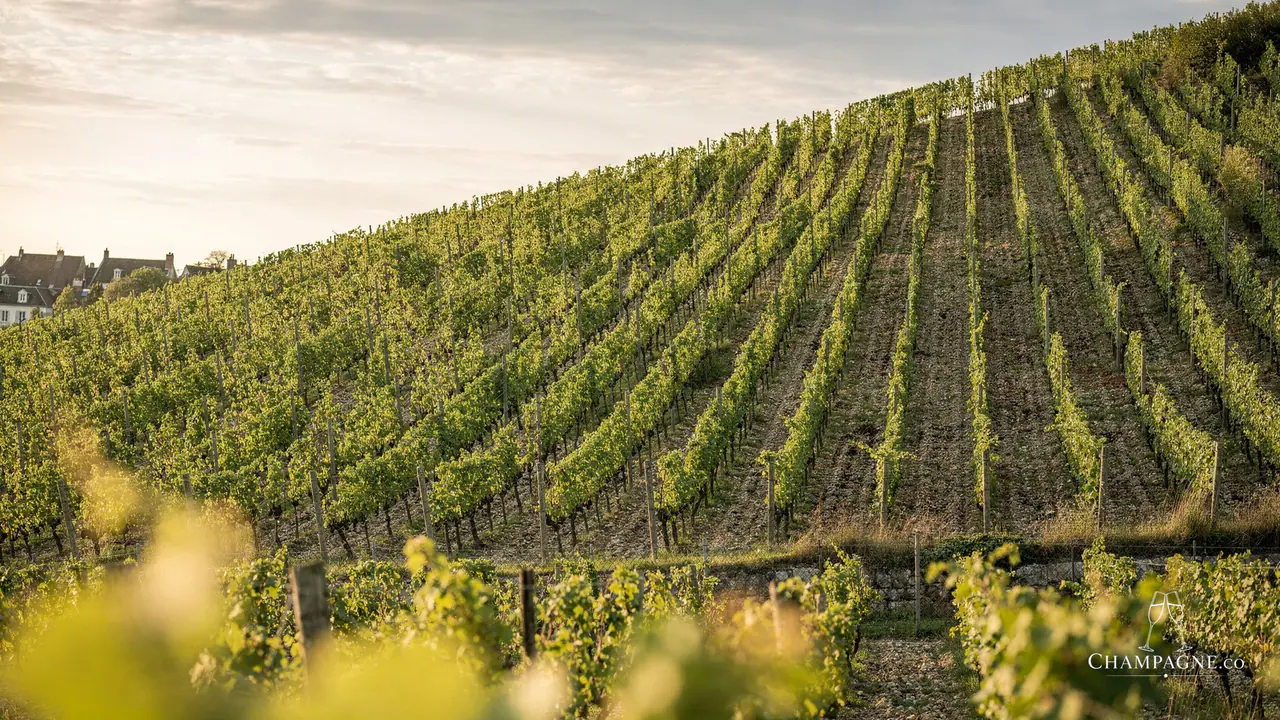
The family vineyards include named Aÿ parcels such as Chaufour, Cheuzelle, La Croix Courcelles, Le Han, Valnon, Vauregnier, Châtillon and Bonotte. Pinot Noir dominates the holdings, with Chardonnay used as a complement in the Champagne blends.
The producer describes predominantly manual vineyard work, hand harvesting and in-vineyard sorting, together with a selective focus on older and better-positioned parcels for its own wines.
Cellar and winemaking
Grapes are pressed in the family’s traditional vertical press, and musts are vinified in small vats before bottle ageing in the domaine’s cellars. Gatinois continues to disgorge bottles manually à la volée.
The current technical pages show a house built around Pinot Noir but with release-specific variation in blend, dosage and ageing. Those figures should remain tied to each wine rather than be treated as fixed estate-wide rules.
Champagne.co analysis
Gatinois is unusually easy to read because the geography is so concentrated: every Champagne begins in Aÿ, Pinot Noir is the backbone, and the cellar remains conservative in method. The interesting differences therefore come from reserve wine, bottle ageing, vintage and the role of Chardonnay rather than from a changing village footprint.
That makes Brut Tradition and Brut Réserve particularly useful as a pair, while the vintage wine and Coteaux Champenois show the estate at more specific ends of the spectrum.
Buying guidance
Start with Brut Tradition for the most direct introduction to the domaine. Brut Réserve is the natural next bottle if you want to see what additional cellar ageing does within a closely related blend.
For a more vintage-specific expression, look to the current Brut Millésimé and verify the exact year before using its technical details.
Loading current Champagne range…
Spotted something wrong? Report a correction
Every report goes to a human review queue. Nothing on this page changes automatically.