Girard-Bonnet
Girard-Bonnet is a 12-hectare Côte des Blancs domaine led by Paul Girard. The vineyard is concentrated principally in Le Mesnil-sur-Oger and Oger Grand Cru, with further holdings in Vertus Premier Cru, and is overwhelmingly planted to Chardonnay.
Editorial profile
Girard-Bonnet is a 12-hectare Côte des Blancs domaine led by Paul Girard. The vineyard is concentrated principally in Le Mesnil-sur-Oger and Oger Grand Cru, with further holdings in Vertus Premier Cru, and is overwhelmingly planted to Chardonnay.
The estate committed to organic certification in 2020 and recorded its first certified-organic grapes in 2023. The Association des Champagnes Biologiques currently records the full 12 hectares as certified AB, planted to 93% Chardonnay, 4.5% Meunier and 2.5% Pinot Noir.
Why this producer matters
Girard-Bonnet offers a contemporary, parcel-conscious view of the Côte des Blancs while retaining enough vineyard breadth to compare Le Mesnil-sur-Oger, Oger and Vertus within one estate.
Chardonnay defines the domaine, but the small plantings of Pinot Noir and Meunier are meaningful because they allow the range to extend beyond a simple Blanc de Blancs identity, including a still Coteaux Champenois Pinot Noir from Le Mesnil-sur-Oger.
Vineyard and terroir
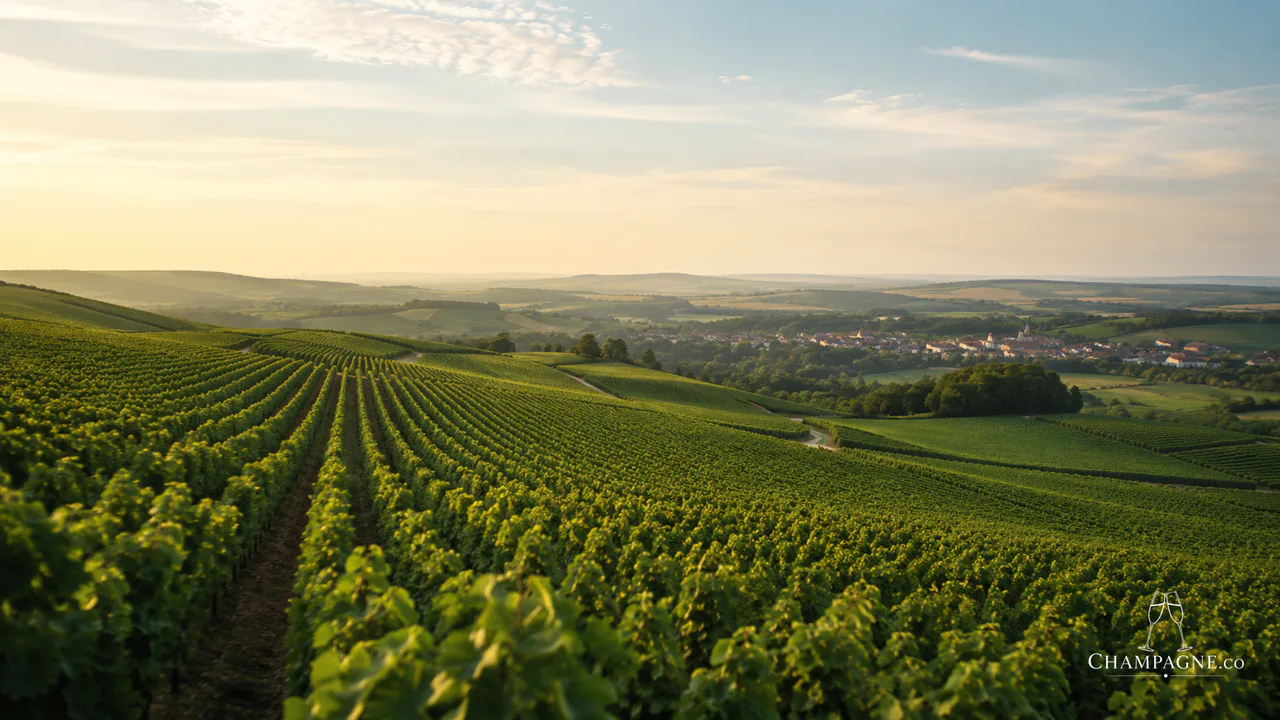
The current certified vineyard totals 12 hectares. Chardonnay accounts for 93% of the planting, with smaller holdings of Meunier and Pinot Noir. Le Mesnil-sur-Oger and Oger provide the Grand Cru core, while Vertus adds a Premier Cru element to the estate.
Organic certification now covers the full recorded surface.
Cellar and winemaking
The domaine uses both barrels and stainless steel, with exact proportions changing by cuvée. Indigenous yeast fermentation and lees ageing feature in current technical pages, while dosage is generally low in the release information currently published by the producer.
Those technical choices remain bottle-specific. Vintage, base year, reserve-wine proportion, disgorgement and dosage should always be taken from the exact release rather than generalised across the estate.
Champagne.co analysis
Girard-Bonnet is most interesting as a Côte des Blancs grower whose range is organised around small geographical and technical distinctions rather than a large commercial hierarchy. Le Mesnil-sur-Oger and Oger provide the central comparison, while Vertus and the small black-grape plantings broaden the picture.
The current full organic certification also gives the estate a clear agricultural identity, but its wines are best read through exact parcel and release information rather than through farming credentials alone.
Buying guidance
A Mi-Chemin is the clearest starting point for understanding the Girard-Bonnet idea because it combines the two principal Grand Cru villages in one Chardonnay cuvée. From there, look to the village- and parcel-specific wines for a narrower view of origin.
Treat the Coteaux Champenois Rouge as a separate still-wine purchase. For every bottle, check the current release for base year, reserve proportion, dosage, disgorgement and élevage because those details are deliberately specific.
Loading current Champagne range…
Spotted something wrong? Report a correction
Every report goes to a human review queue. Nothing on this page changes automatically.