Gremillet
Champagne Gremillet is based at Balnot-sur-Laignes in the Côte des Bar, close to Les Riceys. Its dedicated current terroir page presents a 48-hectare vineyard on limestone soils interspersed with clay-rich marls, planted predominantly to Pinot Noir with a…
Editorial profile
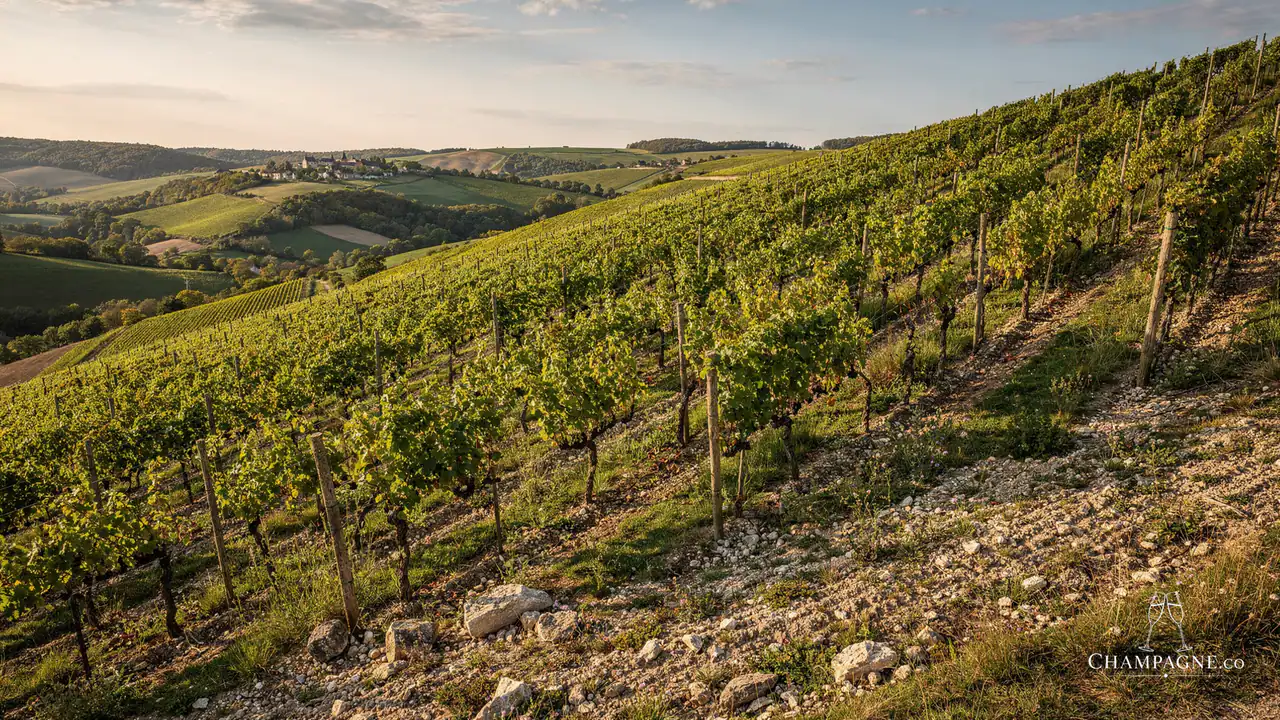
Champagne Gremillet is based at Balnot-sur-Laignes in the Côte des Bar, close to Les Riceys. Its dedicated current terroir page presents a 48-hectare vineyard on limestone soils interspersed with clay-rich marls, planted predominantly to Pinot Noir with a smaller share of Chardonnay. That Pinot-Noir-led estate is the core of the producer's southern Champagne identity.
Gremillet also works beyond its own vineyard. The house says it buys grapes from around 80 partner growers, particularly Chardonnay from areas such as Montgueux, Cramant and Béthon, to broaden its blending palette. Current production is therefore best understood as a combination of a substantial Côte des Bar estate and selected purchased fruit rather than as an estate-only model across every cuvée.
The current cellar master is Jean-Christophe Gremillet. The live range is organised into three main families — Ambassadeurs, Purs and Uniques — with Clos Rocher and several regional specialities extending the portfolio further.
Why this producer matters
Gremillet combines the scale of a sizeable Pinot-Noir-dominant Côte des Bar vineyard with a deliberately broader sourcing network. That gives the producer two useful reference points: the local character of Balnot-sur-Laignes and the flexibility to build Chardonnay-led or mixed-origin wines from other Champagne sectors.
The range is also unusually easy to read by intent. The Ambassadeur wines form the core house offering; the Purs isolate either dosage or grape variety; and the Uniques concentrate on particular vinifications, vintages or more singular bottlings. Clos Rocher, a walled vineyard with a traditional cadole, provides the clearest site-specific counterpoint to that broader blending model.
Vineyards and terroir
The dedicated current terroir page places Gremillet's vines across 48 hectares in the Côte des Bar, on limestone ground broken by clay-marl bands. It describes Pinot Noir as approximately 85% of the estate planting, with Chardonnay making up the remainder. Other current pages on the producer's site carry inconsistent vineyard-area figures, so Champagne.co uses the dedicated terroir page, corroborated by the current French Comité Champagne listing, as the strongest current reference rather than mixing incompatible figures.
The house is not limited to this vineyard base. Chardonnay purchased from partner growers in Montgueux, Cramant and Béthon is part of the blending strategy.
Winemaking and cellar approach
Gremillet's public material emphasises the separation of wines by range and purpose more than a single cellar recipe applied to every cuvée. The house uses reserve wines and vintage material within its blending programme, while bottle ageing extends beyond the statutory minimum. Its current shop states that bottles rest on their lees for at least 22 months, with substantially longer maturation for some wines, including up to ten years for Clos Rocher.
Those ageing figures should remain attached to the producer's current statements and exact wines. Blend percentages, dosage and detailed vinification can vary by cuvée and release and should not be treated as permanent house-wide specifications.
Champagne.co analysis
Gremillet's identity works on two levels. At vineyard level it is firmly rooted in the Pinot-Noir country of the Côte des Bar. At range level it is broader, using purchased Chardonnay and a clearly segmented portfolio to move from house blends to varietal wines, vintage bottlings and Clos Rocher.
That distinction matters when comparing bottles. A Blanc de Blancs is not simply a white-grape version of an estate Pinot Noir wine: its sourcing can reach beyond Balnot-sur-Laignes. Conversely, Clos Rocher narrows the focus back to a specific place. The range therefore moves from broad house blending toward progressively more specific expressions rather than following a simple quality ladder.
Buying guidance
Start with Brut Ambassadeur for the broadest view of the house. Choose Blanc de Noirs if the priority is Gremillet's Pinot-Noir-led identity, or Blanc de Blancs to explore the Chardonnay side of the range. Zéro Dosage is the more useful comparison for readers interested in dosage rather than grape variety.
Move to Clos Rocher when site specificity and extended ageing are the priority. Treat Millésimé 2017 and other vintage-labelled releases as exact bottlings rather than evergreen house specifications, and check the current release when buying.
Loading current Champagne range…
Spotted something wrong? Report a correction
Every report goes to a human review queue. Nothing on this page changes automatically.