Jules Brochet
Domaine Jules Brochet is the Champagne project of Pierric Brochet, based in Taissy, just south of Reims. Brochet comes from a winegrowing family, trained in viticulture and oenology at Avize and created his own domaine in 2015 after formative experience…
Editorial profile
Domaine Jules Brochet is the Champagne project of Pierric Brochet, based in Taissy, just south of Reims. Brochet comes from a winegrowing family, trained in viticulture and oenology at Avize and created his own domaine in 2015 after formative experience that included work at Jacques Selosse.
The project is young by Champagne standards, but its identity is already clear: small-parcel farming, site-conscious wines and a preference for letting individual origins remain visible rather than building the range around a conventional large-house model.
Why this producer matters
Jules Brochet represents a contemporary grower model in which the domaine itself is recent but the person behind it is rooted in Champagne viticulture. The 2015 creation date is useful context: this is not an inherited label simply continuing unchanged, but Pierric Brochet's deliberately constructed project.
The range also reaches beyond a single village. Taissy is the base, while current specialist records associate wines and parcels with sites including Mailly-Champagne and Aÿ. That gives the domaine a broader terroir vocabulary than its Taissy address alone suggests, while still keeping production centred on parcel and variety.
Vineyard and cellar approach
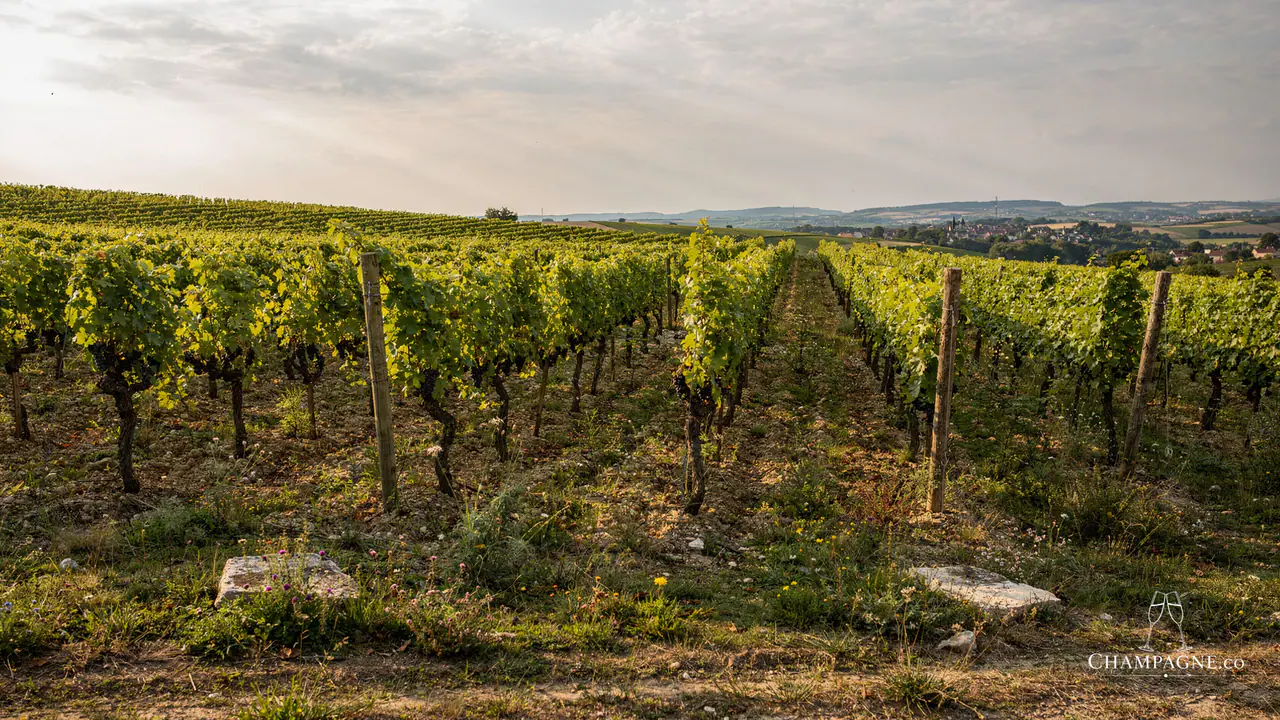
Brochet's own account of his training and domaine creation emphasizes observation, terroir and long élevage with restrained intervention. Reliable current sources also consistently describe a vineyard approach that avoids routine chemical herbicide-driven farming and puts soil and ecosystem management at the centre of the project.
Certification and exact surface figures are less clear across accessible current records.
In the cellar, oak and extended ageing are recurring elements in published accounts of the domaine, but individual technical details belong to named wines and releases.
Champagne.co analysis
Jules Brochet is best understood as a young domaine built around Pierric Brochet's own choices rather than as a broad family brand. The key continuity with his background is viticulture; the key break is the creation of a separate estate in 2015 and the decision to organise its wines around small origins and long cellar work.
That makes the domaine particularly useful for readers following the newer generation of Champagne growers.
Buying guidance
Prémices is a logical place to begin for readers wanting an assemblage that introduces the domaine without starting from its most site-specific bottlings. Autochtone is the clearer choice for exploring its Pinot Noir side, while Éole provides a vintage-led Chardonnay/Pinot Noir expression when available.
Readers interested primarily in terroir should also watch the Coteaux Champenois releases. Because this is a small, evolving producer and the wines can change materially by vintage and parcel, verify the exact release rather than assuming that an older blend, dosage or vineyard specification still applies.
Loading current Champagne range…
Spotted something wrong? Report a correction
Every report goes to a human review queue. Nothing on this page changes automatically.