Mansard
Champagne Mansard is a relatively discreet house within the Rapeneau family group. The Union des Maisons de Champagne lists Mansard as a member house with a 16-hectare vineyard estate, Jean-François Rapeneau as chairman and Vincent Rapeneau as managing…
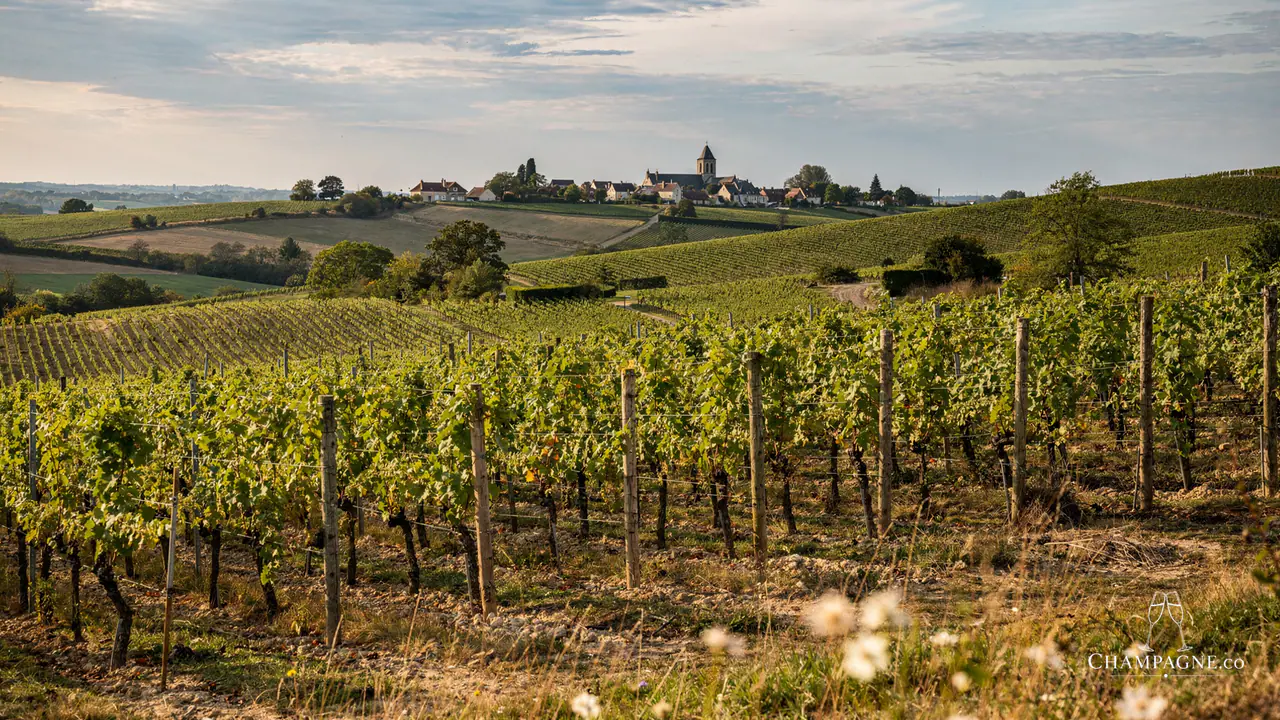
Editorial profile
Champagne Mansard is a relatively discreet house within the Rapeneau family group. The Union des Maisons de Champagne lists Mansard as a member house with a 16-hectare vineyard estate, Jean-François Rapeneau as chairman and Vincent Rapeneau as managing director. The house's own current contact address is in Tours-sur-Marne, while the UMC retains its administrative address in Épernay.
That group context is the most useful way to understand Mansard today. Rather than presenting a large public-facing story around a founding date, named cellar master or detailed parcel map that the house itself does not currently document, Mansard offers a compact range under a long-established Champagne-house structure. The current UMC listing identifies five Mansard Baillet cuvées: Carte Noire, Rosé, Cuvée des Sacres, Cuvée du Triomphe and Tradition de Mansard.
Mansard therefore sits in a different editorial category from a grower whose identity can be traced vineyard by vineyard. Its interest lies in a concise house range, access to an estate vineyard and the wider blending resources of a family Champagne group. For readers, the useful questions are where each cuvée sits in that range and which bottle best matches the occasion, rather than trying to infer undocumented terroir or cellar detail.
Why this producer matters
- Mansard is a current Union des Maisons de Champagne member.
- It belongs to the Rapeneau family group, placing it within a broader family-owned Champagne structure.
- The UMC records a 16-hectare vineyard estate for the house.
- The current range is unusually easy to navigate, with five named cuvées spanning core brut, rosé and more elevated bottlings.
- Its deliberately low-key public profile makes precise identification important: Champagne Mansard/Mansard Baillet should not be confused with unrelated producers sharing the Mansard name.
House and vineyard context
The UMC's current house record gives Mansard a 16-hectare vineyard estate but does not publish a detailed breakdown by village, grape variety or parcel. That distinction matters. Mansard is not presented here as an exclusively estate-grown producer, nor is the vineyard figure used to imply that every bottle comes entirely from those holdings.
Its Rapeneau affiliation is more revealing. A house operating within a family group can draw on the blending, maturation and commercial infrastructure associated with a larger Champagne operation while retaining a separate range and brand identity. In Mansard's case, that helps explain why the catalogue is built around recognisable house cuvées rather than an extensive collection of lieu-dit or single-village wines.
The current official Mansard website is notably restrained, providing the Tours-sur-Marne contact point but little technical or historical exposition. That makes the UMC's current identity and range information especially valuable and also argues against attaching unverified blend percentages, dosage figures or ageing periods to bottles in the market.
Champagne.co analysis
Mansard's strength is range clarity. The house does not currently publish the density of vineyard and cellar information available from Champagne's most communicative estates, but it does present a coherent set of bottles with recognisable roles. That makes Mansard easier to buy than to over-explain.
The 16-hectare vineyard holding gives the house meaningful agricultural footing, while the Rapeneau group connection points toward the blending resources expected of a Champagne house. Together, those facts suggest a producer whose identity is better understood through house style and cuvée hierarchy than through a single terroir thesis.
For Champagne.co, the most useful comparison is therefore internal: Carte Noire or Tradition de Mansard for the core style, Rosé for a colour and fruit-profile shift, then Cuvée des Sacres and Cuvée du Triomphe for the more elevated end of the range. That structure gives readers a practical route through the wines without inventing a hierarchy that the available technical evidence cannot support more precisely.
Buying guidance
- For a first bottle: start with Carte Noire or Tradition de Mansard; availability and merchant positioning will often determine which is the more straightforward introduction.
- For rosé: choose the simply named Rosé, rather than trying to infer rosé character from another Mansard cuvée.
- For a more special-occasion bottle: look to Cuvée des Sacres or Cuvée du Triomphe and compare the exact release information and price before choosing between them.
- When buying older stock: check the label and release carefully. Historical Mansard and Mansard Baillet bottlings should not be assumed to have the same blend or ageing specification as bottles currently on sale.
- When searching: use the full Champagne Mansard or Mansard Baillet identity to avoid confusion with unrelated Mansard-named growers.
Loading current Champagne range…
Spotted something wrong? Report a correction
Every report goes to a human review queue. Nothing on this page changes automatically.