Mercier
Mercier is a historic Épernay Champagne house founded in 1858 by Eugène Mercier. Today it sits within the MHCS group and, through Moët Hennessy, within LVMH. The current Union des Maisons de Champagne record identifies Sibylle Scherer as chairman and…
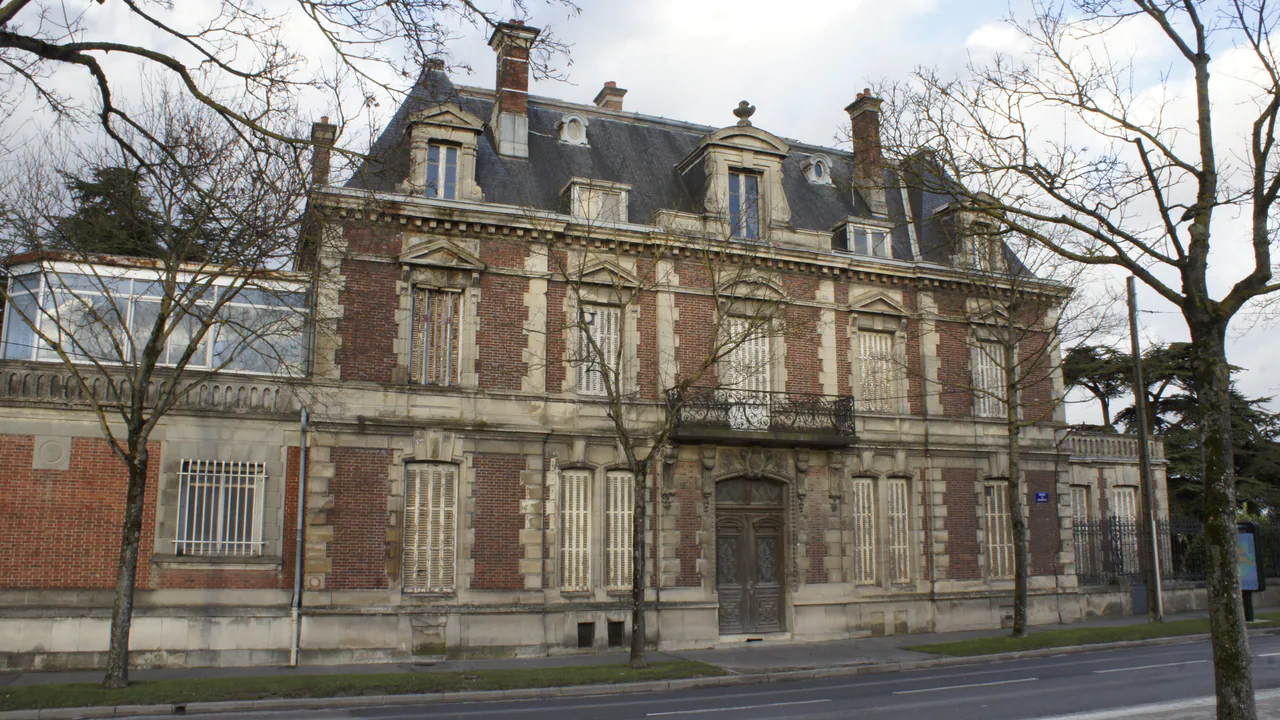
Mercier — Champagne producer profile image.
Editorial profile
Mercier is a historic Épernay Champagne house founded in 1858 by Eugène Mercier. Today it sits within the MHCS group and, through Moët Hennessy, within LVMH. The current Union des Maisons de Champagne record identifies Sibylle Scherer as chairman and Christophe Bonnefond as cellar master.
The house is unusually easy to place in Champagne history because its identity was built around scale, accessibility and spectacle from the start. Construction of Mercier's cellars began in 1871 and produced an 18-kilometre network beneath Épernay. The famous Mercier blending cask held 1,600 hectolitres—roughly the equivalent of 200,000 bottles—and was taken to Paris for the 1889 Exposition Universelle.
Mercier's current range is compact for a major house. The live catalogue separates Blanc de Noirs as its Iconic cuvée, Brut, Brut Rosé and Brut Réserve as Essentials, and the 2003, 2007 and 2010 releases as Vintages.
Why this producer matters
Mercier matters because few houses combine such a strong nineteenth-century public identity with such a straightforward present-day range. The founder's ambition to make Champagne accessible to a broad audience shaped both the scale of the operation and the way the house presented itself, while the 18-kilometre cellar network and monumental cask remain tangible parts of that history.
The modern range also gives Mercier a clear stylistic entry point. Its current Blanc de Noirs, Brut and Brut Réserve are all led by Pinot Noir and Meunier rather than Chardonnay, making black grapes central to the house's current public offer.
House and cellar identity
Mercier is based on the Avenue de Champagne in Épernay. The current UMC record places the house inside the consolidated MHCS structure rather than as an independent grower estate, so vineyard figures reported at group level should not be read as Mercier-only holdings.
The cellar network remains one of the house's defining physical assets. Its construction began in 1871 and extended to 18 kilometres of galleries. That scale, together with the giant blending cask, reflects Mercier's early commitment to both production capacity and public visibility.
Champagne.co analysis
Mercier's strongest point of distinction is not rarity but coherence. Its history is built around the idea of Champagne at scale, yet its current range is simpler than that of many large houses. That makes the house relatively easy to understand: Blanc de Noirs is the clearest expression of the black-grape direction, Brut is the everyday reference point, Brut Réserve adds another step within the same broad family, and the older La Récolte releases offer a separate vintage dimension.
The historic cellars and giant cask add real substance to the brand story because they are documented parts of Mercier's development rather than decorative mythology. For readers, that makes Mercier most interesting as a major house whose nineteenth-century ambition and present-day range can both be explained in concrete terms.
Buying guidance
Start with Brut for the most direct introduction to the current house range. Choose Blanc de Noirs if you want the wine that most clearly foregrounds Pinot Noir and Meunier, or Brut Réserve for the reserve-tier expression. Brut Rosé is the obvious route if rosé is the priority.
The 2003, 2007 and 2010 La Récolte bottlings sit apart from the core non-vintage range.
Loading current Champagne range…
Spotted something wrong? Report a correction
Every report goes to a human review queue. Nothing on this page changes automatically.