Perrier-Jouët
Maison Perrier-Jouët was founded in Épernay in 1811 by Pierre-Nicolas Perrier and Rose-Adélaïde Jouët. From its earliest history the house placed unusual emphasis on Chardonnay, acquiring vineyards in Cramant, Avize and Chouilly that would later become…
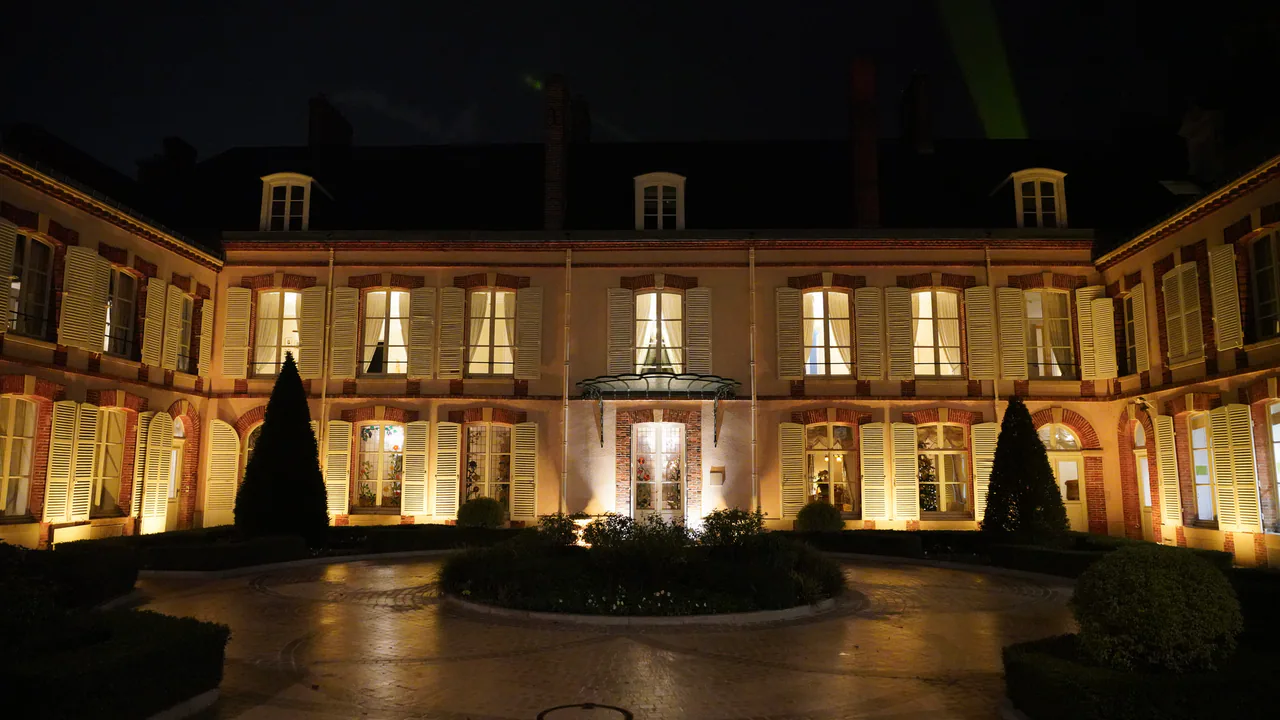
Perrier-Jouët — Champagne producer profile image.
Editorial profile
Maison Perrier-Jouët was founded in Épernay in 1811 by Pierre-Nicolas Perrier and Rose-Adélaïde Jouët. From its earliest history the house placed unusual emphasis on Chardonnay, acquiring vineyards in Cramant, Avize and Chouilly that would later become Grand Cru villages. That Chardonnay focus remains structurally important today: the house currently states that 56% of its own vineyard is planted to Chardonnay.
Perrier-Jouët's identity also has an unusually strong visual component. In 1902, Art Nouveau artist Émile Gallé created the Japanese-anemone design that became associated with the house's prestige wines. The first Belle Epoque cuvée was produced in 1964; Belle Epoque Rosé followed in 1983 and Belle Epoque Blanc de Blancs in 1998.
Séverine Frerson has been cellar master since 2020, becoming the eighth person and first woman to hold the role in the house's history.
Why this producer matters
Perrier-Jouët connects three coherent strands: an early and continuing emphasis on Chardonnay, a prestige collection inseparable from Art Nouveau history, and a range structure that clearly separates multi-vintage house continuity from vintage Belle Epoque releases.
That makes the house more useful to understand through grape, blending objective and vintage than through luxury positioning alone. The classic collection establishes the house vocabulary; Belle Epoque turns the focus toward a specific harvest and prestige expression.
Vineyard and environmental direction
The house states that its entire vineyard has been managed through sustainable viticulture since 2016. In 2021 it began an experimental regenerative-viticulture programme; by 2025, the house states that this programme covered 43% of its vineyard, with a target of 100% by 2030.
The programme focuses on plant cover, vitiforestry and ecological corridors, among other measures. These are current first-party commitments and progress figures rather than a blanket organic-certification claim.
Champagne.co analysis
Perrier-Jouët is best understood through the contrast between classic multi-vintage continuity and vintage Belle Epoque. Grand Brut uses a broad cru base and reserve wine to maintain the house style; Blanc de Blancs brings Chardonnay to the foreground; Belle Epoque then turns a specific harvest into the organising principle.
The house's Chardonnay heritage matters most when seen across the entire range rather than judged from the 20% Chardonnay share in current Grand Brut alone. The vineyard, Blanc de Blancs and Belle Epoque programmes together show why Chardonnay remains central to the maison's identity.
Buying guidance
Start with Grand Brut for the broadest house benchmark. Choose Blanc de Blancs if Chardonnay is the priority, or Blason Rosé for the classic rosé route.
Move to Belle Epoque when vintage and prestige expression matter. Buy by the exact year — currently 2018 for Brut, 2017 for Blanc de Blancs and 2014 for Rosé in the worldwide catalogue snapshot — and check whether a limited edition changes only presentation or the wine itself before paying a premium.
Loading current Champagne range…
Spotted something wrong? Report a correction
Every report goes to a human review queue. Nothing on this page changes automatically.