Pertois-Moriset
Champagne Pertois-Moriset is an independent family grower-producer based in Le Mesnil-sur-Oger. The marque was created in 1951 by Yves Pertois and Janine Moriset, members of two established Côte des Blancs winegrowing families. The domaine is now managed…
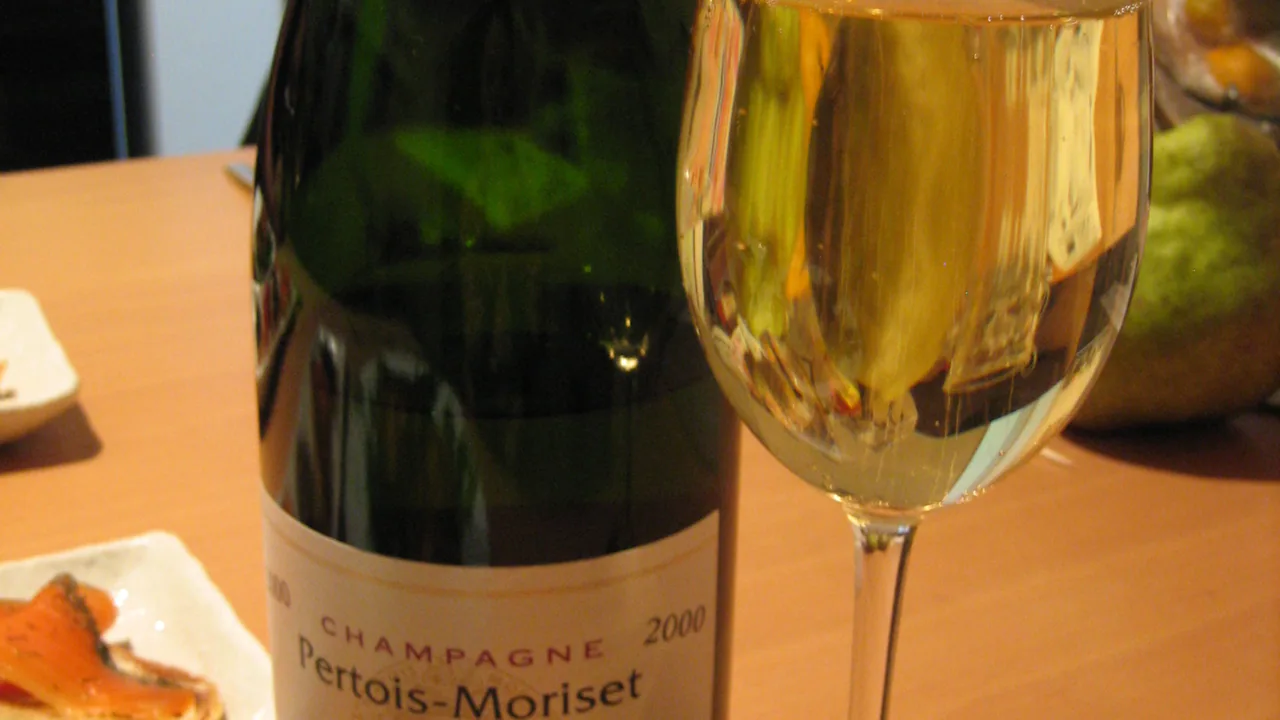
Pertois-Moriset — Champagne producer profile image.
Editorial profile
Champagne Pertois-Moriset is an independent family grower-producer based in Le Mesnil-sur-Oger. The marque was created in 1951 by Yves Pertois and Janine Moriset, members of two established Côte des Blancs winegrowing families. The domaine is now managed by their granddaughter Cécile and her husband Vincent.
The estate's current vineyard totals 20.70 hectares and is split between two materially different sectors. Around 13.40 hectares lie in the Côte des Blancs and are planted entirely to Chardonnay; around 7.30 hectares are in the Coteaux Sézannais, planted approximately 60% Pinot Noir and 40% Chardonnay. This two-region structure is essential to the producer's identity: Pertois-Moriset is headquartered in Le Mesnil, but it is neither a one-village estate nor an all-Chardonnay domaine.
Why this producer matters
Pertois-Moriset is particularly useful for understanding how one grower can operate at several levels of geographical resolution. The estate spans Côte des Blancs Chardonnay and mixed Sézannais plantings; the range then moves from blends to village wines, individual lieux-dits and Special Club.
That structure lets readers navigate the domaine by provenance rather than prestige hierarchy. It also shows why the Pinot Noir-bearing Sézannais holdings are an important part of the estate even though the producer's address and many of its best-known wines point toward Le Mesnil-sur-Oger.
Vineyard and cellar approach
The producer describes winter grass cover, summer ploughing and sexual-confusion techniques across the vineyard. Mechanical vineyard work is carried out with a fully electric straddle tractor. When conditions permit, the estate says no chemical inputs are applied; these practices are not presented as an organic-certification claim.
A new pressing centre opened in 2009, with two stainless-steel membrane presses, temperature-controlled vat rooms and a separate cellar for barrels and foudres. The producer states that malolactic fermentation is deliberately blocked on most cuvées, not all of them. Wines remain on fine lees through winter before bottling, generally in June or July.
Champagne.co analysis
Pertois-Moriset is best understood as an estate that becomes more geographically precise as the range develops. The Classics establish the broader vocabulary; Mono-Villages separate village identity; Lieux-Dits narrow the focus to individual sites; and Special Club brings selected Le Mesnil parcels back into a prestige assemblage.
The two-region vineyard gives that architecture additional depth. Chardonnay dominates the Côte des Blancs side, while the Sézannais holdings introduce Pinot Noir and a different geological context.
Buying guidance
Start with L'Assemblage or another Classic for the broadest estate reference. Choose an Éditions PM bottle when you want an exact edition with detailed technical information.
Move to a Mono-Village wine to compare individual villages, or to Les Jutées, Les Hauts d'Aillerands, Les Jeamprins or Les Hautes Mottes for the most parcel-specific expressions. Buy Special Club by exact vintage and release details rather than assuming one permanent blend.
Loading current Champagne range…
Spotted something wrong? Report a correction
Every report goes to a human review queue. Nothing on this page changes automatically.