Philippe Lancelot
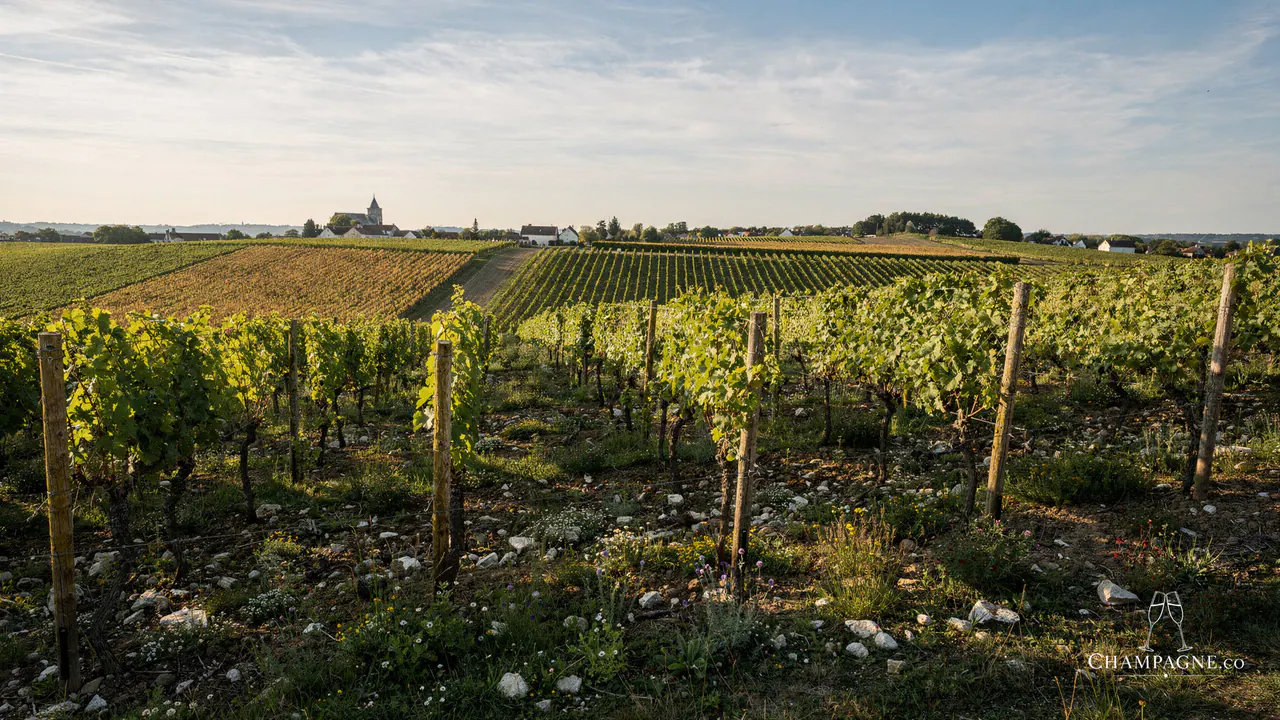
Champagne Philippe Lancelot is a four-hectare grower estate based in Cramant, in the Côte des Blancs. The domaine grew out of Y. Lancelot Wanner, created by Philippe’s parents in the 1970s from family vineyards around Cramant, Avize, Chouilly, Oiry,…
Editorial profile
Champagne Philippe Lancelot is a four-hectare grower estate based in Cramant, in the Côte des Blancs. The domaine grew out of Y. Lancelot Wanner, created by Philippe’s parents in the 1970s from family vineyards around Cramant, Avize, Chouilly, Oiry, Épernay and Aÿ.
The present identity is deliberately parcel- and vintage-led. Rather than maintaining a fixed multi-vintage hierarchy, Philippe Lancelot bottles different crus and sites according to the character of each harvest. The range therefore reads more like an evolving vineyard map than a conventional house ladder.
Organic and biodynamic chronology
The current Association des Champagnes Biologiques record gives a precise environmental chronology. The domaine committed to organic certification in 2011, adopted biodynamic practices across all parcels in 2012, achieved its first certified-organic harvest in 2014, and received Demeter biodynamic certification in 2015.
The same current record states that 100% of the four-hectare vineyard is certified organic, across Chardonnay, Pinot Noir and Meunier. Philippe has collaborated with consultant Hervé Jestin since the 2009 harvest.
Current organic-sector material also records a move towards very low sulphur and, from the 2015 vintage, no added sulphur. Exact sulphur, dosage and fermentation details nevertheless remain release-specific where technical sheets are available.
Six villages, many identities
The estate’s vineyard footprint spans Cramant, Avize, Chouilly, Oiry, Épernay and Aÿ. The wines preserve those origins through exact parcel and vintage identities rather than blending the six villages into one permanent house cuvée.
Older technical sheets illustrate the method. Historic Cramant releases were pure Grand Cru Chardonnay, while wines such as Bas de Saran and Par Quatre Chemins combine named Côte des Blancs sites. Those historic specifications belong to their stated vintages and should not be transferred to later releases without matching technical evidence.
Why this producer matters
Philippe Lancelot is one of the clearest examples of a producer whose range is intentionally not static. The stable identity is the four-hectare fully organic, Demeter-certified estate and its six-village map; the wines themselves move with parcel, cru and vintage.
That makes exact provenance more useful than forcing the domaine into an entry, mid-tier and prestige hierarchy. A 2008, 2012, 2014 or 2020 bottle is not merely another edition of one timeless formula; the vintage and site are part of the wine’s identity.
Champagne.co analysis
Philippe Lancelot is best understood through the tension between a very stable farming identity and a deliberately fluid wine range. The vineyard is fully organic and Demeter certified; the release programme, by contrast, changes according to parcel and harvest.
That makes vintage and origin essential catalogue fields. The value of the domaine lies in comparing Cramant, Chouilly, Épernay and other sites across specific harvests rather than searching for one permanent “house blend.” The current public archive is therefore meaningful even when an older bottle is no longer universally available.
Buying guidance
Choose by site and vintage first. Cramant 2020 is the logical starting point for the estate’s home-village Chardonnay identity, while Chouilly Plumecoq 2020 and Hauts d’Épernay 2020 offer different geographical reference points.
For older parcel releases such as Bas de Saran 2014, Par Quatre Chemins 2014 or 100 Pour Sang 2012, provenance and bottle condition become particularly important. Always check the exact vintage, dosage, disgorgement and sulphur information where available; Philippe Lancelot’s wines are designed as distinct releases rather than permanent recipes.
Loading current Champagne range…
Spotted something wrong? Report a correction
Every report goes to a human review queue. Nothing on this page changes automatically.