Pierre Deville
Champagne Pierre Deville is a small family grower in Verzy Grand Cru, on the north-eastern side of the Montagne de Reims. The estate is now led by Alban Corbeaux, the fourth generation, who returned to the family domaine in 2016 and has since reshaped the…
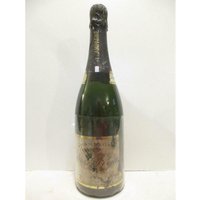
Representative Champagne from Pierre Deville
Editorial profile
Champagne Pierre Deville is a small family grower in Verzy Grand Cru, on the north-eastern side of the Montagne de Reims. The estate is now led by Alban Corbeaux, the fourth generation, who returned to the family domaine in 2016 and has since reshaped the wines around a more parcel-conscious reading of Verzy.
The family began producing Champagne under its own name in 1963. Current independent records consistently place the vineyard at around 5 hectares, planted to Pinot Noir and Chardonnay on the Verzy Grand Cru terroir.
Why this producer matters
Pierre Deville is a useful modern Verzy producer because the range makes the two principal grapes of the estate easy to compare. Primitif blends Pinot Noir and Chardonnay; Copin Chardonnay isolates Chardonnay; Copin Pinot Noir isolates Pinot Noir; and Les Copins 50/50 deliberately brings the two varieties back together in equal proportions.
That gives the domaine a simple but intelligent structure: first the estate blend, then the individual grape voices, then a balanced two-grape comparison. For a small producer, that is a particularly clear way to communicate one Grand Cru village.
Vineyard and Verzy
The estate's vineyards are concentrated in Verzy Grand Cru. Pinot Noir is the natural reference grape of this part of the Montagne de Reims, but Chardonnay is significant enough at Pierre Deville to support its own pure-variety cuvée.
Current specialist records converge on an estate of roughly 5 hectares.
The public profile therefore does not label the estate as formally certified organic or biodynamic.
Cellar approach
Current factual trade records describe a cellar that uses both stainless steel and oak, with spontaneous or indigenous-yeast fermentation playing an important role. The exact share of oak, malolactic treatment, sulphur use and dosage varies by wine and release and should remain bottle-specific.
The estate is small enough that these technical differences matter. Primitif is not simply a diluted version of the Copin wines, and the two pure-variety bottlings are not interchangeable with Les Copins 50/50.
Champagne.co analysis
Pierre Deville's strongest idea is comparative terroir within one Grand Cru village. The estate does not need a long catalogue to make that useful. Primitif establishes the combined house language; the two Copin wines separate the grapes; Les Copins 50/50 reconnects them on equal terms.
It also reflects the modern direction of the domaine under Alban Corbeaux: fewer generic claims, more attention to the relationship between grape, place and élevage.
Buying guidance
Primitif is the best first bottle because it gives the broadest introduction to Pierre Deville's Verzy identity. Readers who want to understand grape variety should then compare Copin Chardonnay with Copin Pinot Noir.
Les Copins 50/50 is the most useful bridge between those two pure-variety wines, especially for readers interested in how equal proportions of Chardonnay and Pinot Noir work together from the same Grand Cru village.
For all four wines, keep the exact base years, vintage, dosage and élevage attached to the release being purchased rather than assuming the technical recipe is permanent.
Loading current Champagne range…
Spotted something wrong? Report a correction
Every report goes to a human review queue. Nothing on this page changes automatically.