Piper-Heidsieck
Piper-Heidsieck is a historic Reims Champagne house founded in 1785 by Florens-Louis Heidsieck. Today it forms part of the EPI-owned Piper & Charles Heidsieck group and is led in the cellar by Émilien Boutillat, whose current role combines winemaking with…
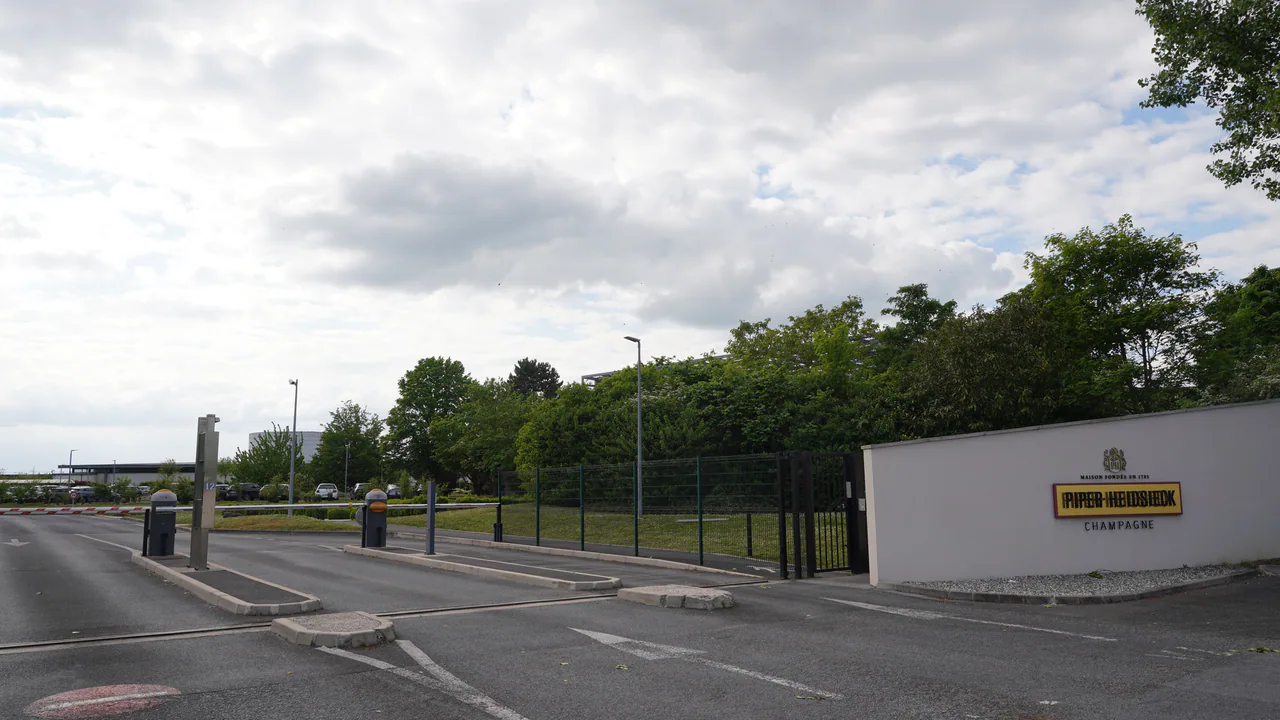
Piper-Heidsieck — Champagne producer profile image.
Editorial profile
Piper-Heidsieck is a historic Reims Champagne house founded in 1785 by Florens-Louis Heidsieck. Today it forms part of the EPI-owned Piper & Charles Heidsieck group and is led in the cellar by Émilien Boutillat, whose current role combines winemaking with a strong involvement in the house's environmental programme.
The modern portfolio is broad but logically structured. Cuvée Brut remains the principal multi-vintage house wine. The Essentiel collection provides more technically defined, longer-aged wines. Vintage isolates individual harvests, while Hors-Série is used for rare historic releases and more experimental expressions beyond the standard Champagne range.
Why this producer matters
Piper-Heidsieck is useful to understand because a very large house can still make its range intelligible through clear production choices. The core Brut draws on more than 100 crus, demonstrating the scale and reach of classic Champagne assemblage. Essentiel narrows the sourcing and gives more release information. Vintage reduces the temporal range to one harvest. Hors-Série then moves either much further back in time or outside sparkling Champagne altogether.
The house also provides a strong example of how a historic Champagne brand is responding to contemporary sustainability expectations. That is a corporate sustainability certification, not an organic-wine credential, but it is meaningful evidence of the house's current operating direction.
House style and blending
The current Cuvée Brut is built from more than 100 crus and currently uses 50% Pinot Noir, 30% Meunier and 20% Chardonnay. That blend makes Pinot Noir the structural centre of the core house wine while retaining a substantial Meunier component.
The scale of sourcing is important. Piper-Heidsieck is not trying to make its main Brut a village or parcel statement; its identity comes from assembling a wide cross-section of Champagne. This is the opposite of the single-vineyard grower model and should be understood on its own terms.
The Essentiel collection
The Essentiel range is the more technical, gastronomy-oriented part of the multi-vintage portfolio. The house currently includes:
- Essentiel Extra Brut — a lower-dosage expression using the three principal Champagne grapes. A currently indexed mise-en-cave release uses 44% Pinot Noir, 34% Meunier and 22% Chardonnay from more than 50 crus.
- Essentiel Blanc de Blancs — 100% Chardonnay. The currently indexed mise-en-cave 2018 release includes 30% reserve wines and draws on 10 crus across the Côte des Blancs, Montagne de Reims and Sézannais.
- Essentiel Blanc de Noirs — the black-grape counterpart in the collection. Exact blend, mise-en-cave, disgorgement and dosage should remain attached to the bottle rather than generalized from another Essentiel wine.
The house states that Essentiel wines receive a minimum of 36 months of cellar ageing and uses release-specific labelling to give consumers more detailed technical information.
Vintage Champagne
Piper-Heidsieck currently presents Vintage 2014 and Vintage 2018 as active releases.
Vintage 2014 is currently 55% Pinot Noir and 45% Chardonnay, selected from 19 crus, 87% of them Grand or Premier Cru, and aged for more than seven years on lees.
Vintage 2018 is materially different: 47% Pinot Noir, 50% Chardonnay and 3% Meunier, from 16 selected crus, predominantly Grand and Premier Cru vineyards of the Montagne de Reims, with five years on lees.
The appearance of Meunier in the 2018 vintage is not a trivial detail. The house states that it began introducing Meunier into its vintage blend from 2018 in response to changing climatic conditions. Vintage blend data therefore cannot be treated as one permanent Piper-Heidsieck formula.
Hors-Série
The Hors-Série collection deliberately breaks the normal rhythm of the range.
- Hors-Série 1971 — Pinot Noir and Chardonnay from Grand Cru vineyards, aged for roughly half a century before disgorgement in 2021.
- Hors-Série 1982 — 60% Pinot Noir / 40% Chardonnay, aged for 39 years on lees and disgorged in 2022.
- Coteaux Champenois 2022 — a still Blanc de Noirs wine.
Hors-Série is therefore not simply a prestige tier. It is the house's space for re-releasing historic vintages after exceptional ageing and for exploring still-wine production.
Sustainability and current direction
Piper-Heidsieck's current sustainability programme is built around vineyard resilience and biodiversity, reducing environmental impact across production, and social/governance commitments.
B Corp assesses the company across governance, employees, community, environment and customers. It should not be confused with organic vineyard certification or a wine-appellation standard.
Individual current wine pages also identify Viticulture Durable en Champagne and HVE level 3 within their vineyard information. These certifications need to remain attached to the actual sourcing/certification scope stated for the relevant wine rather than being inflated into a claim that every supplying vineyard is owned or farmed identically by the house.
Champagne.co analysis
Piper-Heidsieck's range can be read as a progression from breadth to specificity, then to time.
Cuvée Brut is about breadth: more than a hundred crus and three grapes assembled into a repeatable house identity. Essentiel narrows that approach through lower dosage, single-colour grape categories and mise-en-cave information. Vintage fixes the wine to one harvest and a smaller selection of crus. Hors-Série then uses extreme ageing or a different appellation to question what the Piper-Heidsieck identity can include.
That architecture is more useful than a simple entry-level-to-prestige ladder. Each family answers a different question: what does the house blend look like across Champagne; what happens when technical definition increases; how does one year stand alone; and what can decades of ageing or still-wine production reveal?
Buying guidance
Cuvée Brut is the natural first bottle because it is the clearest statement of the current house blend. For a drier, more technically transparent multi-vintage wine, move to Essentiel Extra Brut.
Choose Essentiel Blanc de Blancs for the Chardonnay-only side of the house and Essentiel Blanc de Noirs for the black-grape comparison.
For vintage Champagne, choose between 2014 and 2018 with the blend difference in mind rather than assuming one is simply older or superior. The 2018 includes Meunier and a different crus selection, making it a genuinely different construction.
The Hors-Série wines are specialist releases. The 1971 and 1982 are extended-ageing Champagnes and must retain their vintage and disgorgement histories. The 2022 Coteaux Champenois is for readers interested in Piper-Heidsieck outside sparkling Champagne and should never be catalogued as another Champagne cuvée.
Loading current Champagne range…
Spotted something wrong? Report a correction
Every report goes to a human review queue. Nothing on this page changes automatically.