René Geoffroy
Champagne Geoffroy is a Cumières-rooted grower family whose vineyards remain centred on the Vallée de la Marne even though winemaking and commercial operations moved to Aÿ in 2008. The family's roots in Cumières reach back to the seventeenth century. Roger…
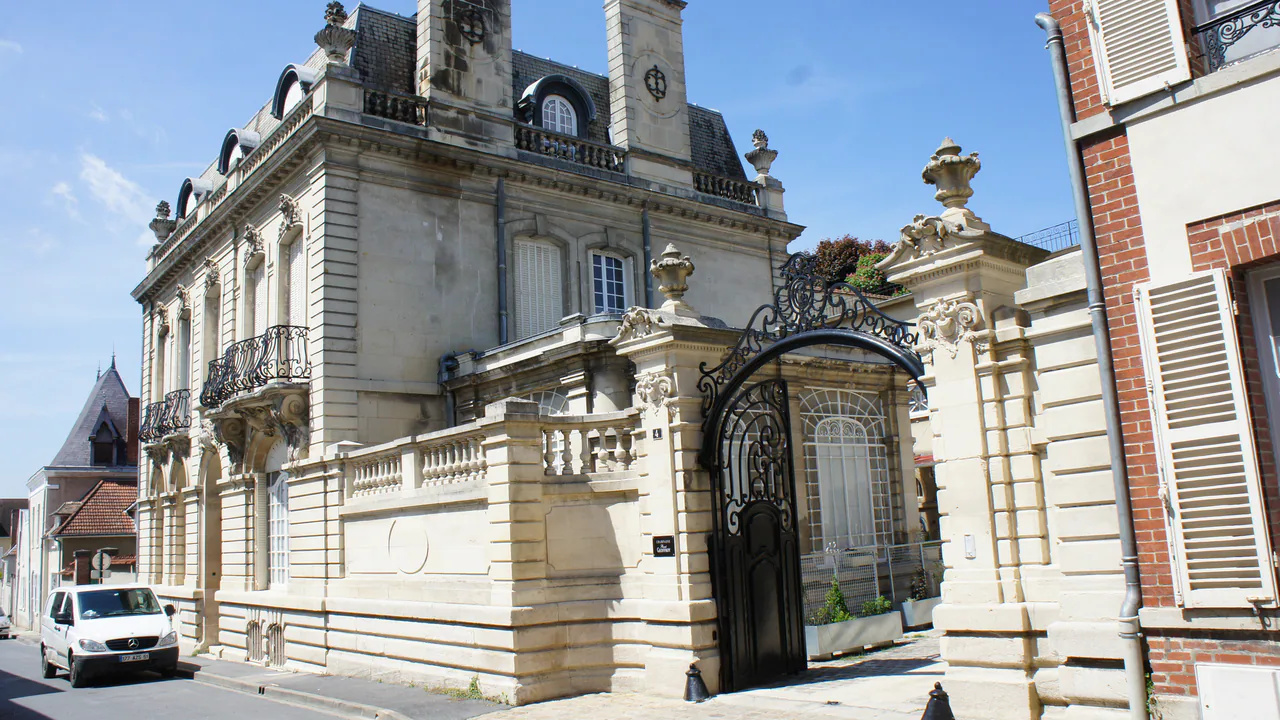
René Geoffroy — Champagne producer profile image.
Editorial profile
Champagne Geoffroy is a Cumières-rooted grower family whose vineyards remain centred on the Vallée de la Marne even though winemaking and commercial operations moved to Aÿ in 2008. The family's roots in Cumières reach back to the seventeenth century. Roger Geoffroy and his wife Julienne began bottling under the family name in the early 1950s; their son René developed the estate, and Jean-Baptiste Geoffroy joined at the end of the 1980s.
Today the domaine works 14 hectares across Damery, Hautvillers, Fleury-la-Rivière and, above all, Cumières Premier Cru. Jean-Baptiste and Karine Geoffroy remain central to the current house story, while their five daughters — Margaux, Sacha, Rosalie, Colombine and Azalée — represent the next generation.
Why this producer matters
Geoffroy combines two identities that are easy to confuse but important to keep together: the cellar is in Aÿ, while the vineyard personality remains strongly tied to Cumières and the Vallée de la Marne. Cumières sits on steep south-east-facing slopes above the Marne, and the estate uses Pinot Noir, Meunier and Chardonnay across both blended and increasingly parcel-specific wines.
The cellar approach gives the range a consistent backbone. Juice is moved by gravity from the press into enamelled vats, foudres, barrels and demi-muids selected according to the needs of each lot. Jean-Baptiste Geoffroy avoids malolactic fermentation to preserve acidity and freshness, while individual cuvées receive different vessels, ageing periods and dosage according to their role.
Vineyards and terroir
The 14-hectare holding extends over Damery, Hautvillers, Fleury-la-Rivière and especially Cumières. The estate's current material emphasises the diversity of substrate, slope, exposure and soil within those villages rather than presenting the vineyard as one homogeneous block.
Cumières is the key reference point. Its Premier Cru vineyards occupy broken south-east-facing slopes between the Marne and the higher ground above the village. The domaine works the soils through ploughing, encourages spontaneous grass cover and uses organic fertiliser, with vineyard decisions based on observation and a preference for limited intervention.
Several single lieux-dits now sit alongside the traditional house blends. Les Collinardins focuses on Chardonnay, Les Tiersaudes on Meunier, and Les Houtrants complantés comes from a mixed-planted parcel worked according to biodynamic principles. These wines show how Geoffroy's range has moved from village-scale blending toward finer parcel resolution without abandoning the broader Cumières identity.
Winemaking and cellar approach
The Aÿ winery is designed around gravity. Juice travels from the press to enamelled vats, foudres, barrels and demi-muids without pumping, allowing lots to be handled according to their scale and character. Fermentations can use indigenous yeasts, particularly in the parcel programme.
Avoiding malolactic fermentation is one of the house's most consistent technical choices. It helps retain acidity in wines from ripe, sunny Vallée de la Marne sites and gives the domaine room to make full-bodied Champagnes without relying on high dosage for balance.
Bottle ageing varies by cuvée, with the producer describing periods of roughly three to eight years in the chalk cellars. Some parcel wines also depart from the core cellar pattern: Les Houtrants complantés, for example, is not matured in wood, is bottled without fining or filtration and uses cork rather than crown cap during secondary fermentation.
Champagne.co analysis
Geoffroy's range is best understood as a gradual narrowing of scale. Expression gives the broadest picture, combining the three principal grapes with a perpetual reserve. Pureté takes that same house architecture and removes dosage. Empreinte and Volupté then separate black- and white-grape directions, while the lieux-dits move all the way to individual sites.
That progression matters because the house style remains recognisable even as the wines become more specific. The no-malo approach, gravity handling and long cellar ageing preserve a line of freshness through wines drawn from relatively warm, exposed slopes.
The move to Aÿ has not changed the geographical centre of gravity. The cellar address belongs to Aÿ, but Cumières and the wider Vallée de la Marne remain the source of the domaine's vineyard identity. That distinction is useful when reading labels and understanding why current bottles may carry the Geoffroy name without the older “René Geoffroy” emphasis.
Buying guidance
Start with Expression for the clearest introduction to the house blend and perpetual-reserve system. Choose Pureté if you want the same broad Cumières architecture without dosage.
For a more varietal route, look to Empreinte for Pinot Noir and Volupté for Chardonnay. Les Collinardins is the specialist choice for parcel Chardonnay, while Les Tiersaudes gives Meunier its own site-specific voice. Les Houtrants complantés is the most distinctive purchase for readers interested in the estate's mixed-planting and low-intervention parcel work.
For rosé, decide first between method: Rosé de Saignée for the maceration style or Blanc de Rose for the assemblage approach. The estate's Coteaux Champenois and Ratafia should be explored separately as still or fortified wines rather than substitutes for the Champagne range.
Loading current Champagne range…
Spotted something wrong? Report a correction
Every report goes to a human review queue. Nothing on this page changes automatically.