Telmont
Champagne Telmont is a Damery house founded in 1912 by Henri Lhôpital and today majority-owned by Rémy Cointreau, which took its controlling stake in 2020. The house remains based in the Vallée de la Marne and combines its own vineyard with long-term…
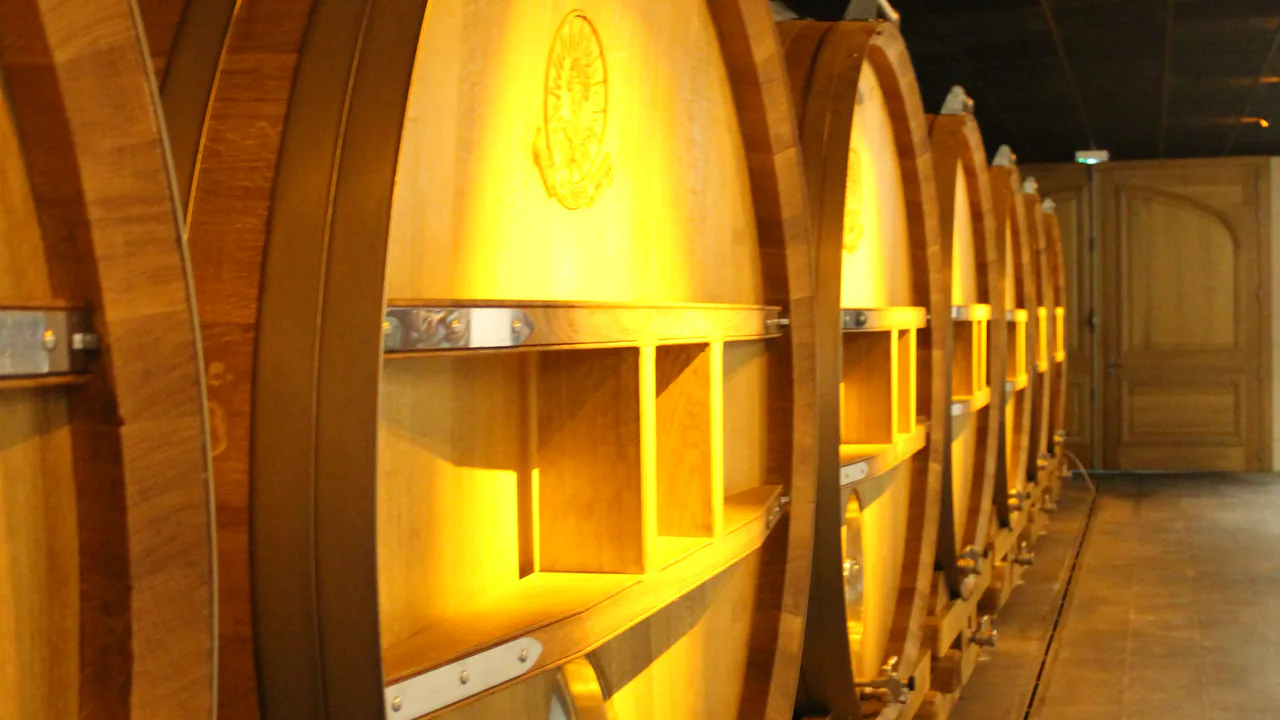
Telmont — Champagne producer profile image.
Editorial profile
Champagne Telmont is a Damery house founded in 1912 by Henri Lhôpital and today majority-owned by Rémy Cointreau, which took its controlling stake in 2020. The house remains based in the Vallée de la Marne and combines its own vineyard with long-term grower partnerships.
The current house team includes Ludovic du Plessis as Chairman, Justin Meade as Managing Director and Brice Bezin as Cellar Master. The current Union des Maisons de Champagne record gives Telmont a 25-hectare estate vineyard; that owned surface should be kept distinct from the substantially larger vineyard area represented by partner growers.
Telmont's modern identity is unusually tied to a defined environmental programme. Current Rémy Cointreau material states that around 70% of the combined Telmont estate-and-partner cultivated area is already farmed organically, with a target of moving the full estate and partner network to organic and regenerative agriculture by 2031. In January 2026, Telmont became the first Champagne house to obtain Regenerative Organic Certified® Bronze status for its organic-certified vineyards.
Why this producer matters
Telmont is notable because its environmental programme is not presented as a peripheral certification exercise. It affects vineyard conversion, packaging, transport and the shape of the range itself. The clearest wine expression of that direction is Réserve de la Terre, introduced as a cuvée made entirely from organically grown grapes.
The house is also a useful case study in scale and sourcing. Telmont owns 25 hectares, but its wines draw on a wider network of partner growers. For readers, that means estate figures, partner-vineyard conversion percentages and cuvée sourcing should not be treated as interchangeable measures.
Vineyards and environmental programme
Telmont's own vineyards are centred around Damery, with partner sourcing extending the usable palette of Champagne terroirs. The environmental programme has a stated 2031 objective of organic and regenerative farming across both the estate and the partner network.
The January 2026 ROC Bronze certification applies specifically to Telmont's organic-certified vineyards.
Champagne.co analysis
Telmont's most distinctive feature today is the attempt to connect a traditional Champagne house model with measurable change across its vineyard and grower network. That makes the house more interesting than a simple sustainability label suggests: the key question is how quickly environmental commitments move from estate parcels into the wider sourcing base that supports the wines.
The organic Réserve de la Terre wines are therefore the most direct way to understand current Telmont. They sit at the intersection of the house's vineyard programme and its commercial range, while Réserve Brut provides a useful comparison with the broader house style.
Buying guidance
For readers interested primarily in Telmont's current direction, start with Réserve de la Terre or Réserve de la Terre Rosé and check the exact edition or base on the bottle. Those wines are the clearest expression of the house's organic programme.
For a broader introduction to the house, Réserve Brut is the more conventional entry point. With any Telmont bottle, keep the release identity separate from estate-wide claims: organic percentages, certification scope, blend and base year can all differ by wine and date.
Loading current Champagne range…
Spotted something wrong? Report a correction
Every report goes to a human review queue. Nothing on this page changes automatically.