Thiénot
Champagne Thiénot is a family house in Reims founded in 1985 by Alain Thiénot after nearly two decades working as a Champagne broker. That background shaped the house from the outset: Thiénot was built around detailed knowledge of villages, growers and…
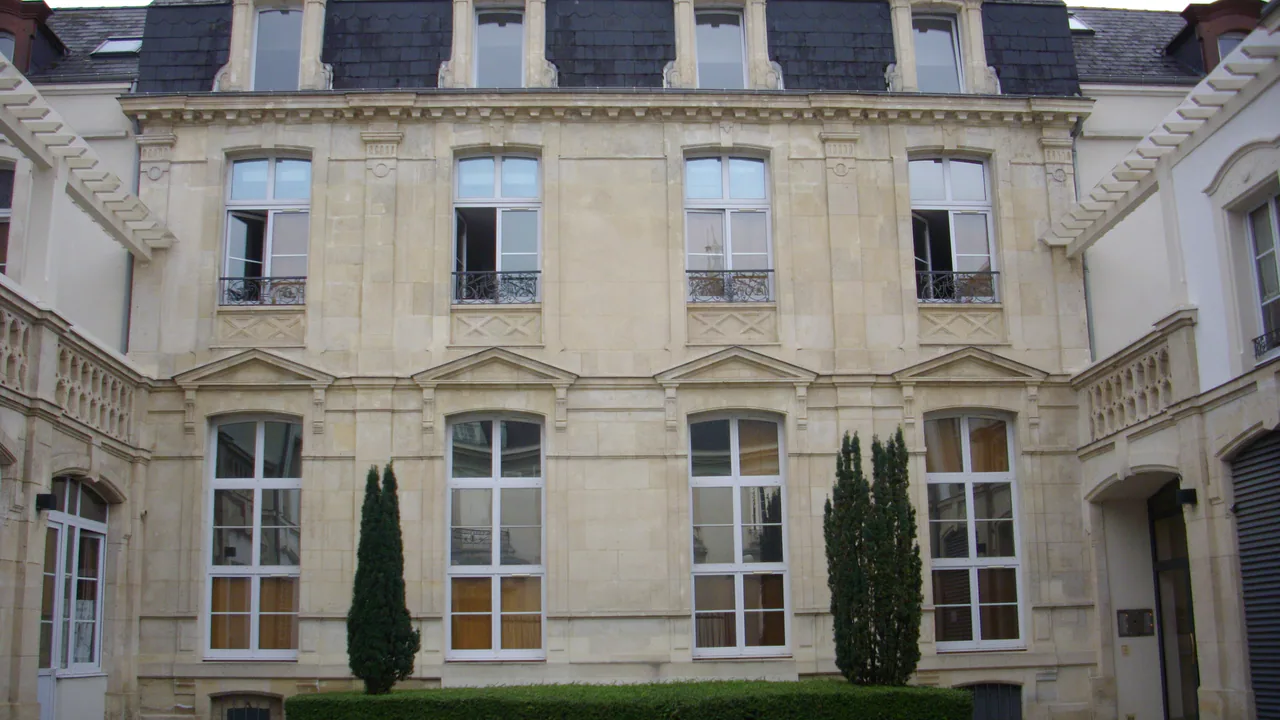
Thiénot — Champagne producer profile image.
Editorial profile
Champagne Thiénot is a family house in Reims founded in 1985 by Alain Thiénot after nearly two decades working as a Champagne broker. That background shaped the house from the outset: Thiénot was built around detailed knowledge of villages, growers and blending rather than inherited scale alone.
Today the second generation is firmly in charge. Garance Thiénot and Stanislas Thiénot lead the house, while Nicolas Uriel, who joined in 2008 and became Cellar Master in 2017, oversees the wines. The house owns around 30 hectares of vineyards, including Grand Cru holdings in Aÿ and the Côte des Blancs and Premier Cru sites around Dizy and Cumières, with estate fruit supplying more than half of its grape requirements.
Why this producer matters
Thiénot is one of the comparatively young independent houses to have established a recognisable place in Reims without relying on a nineteenth-century founding story. Its identity is instead built on three things: a significant estate vineyard, selective grower sourcing and a range deliberately divided between accessible house wines, family-named prestige cuvées and more experimental limited releases.
That structure makes Thiénot easier to understand than many houses with sprawling catalogues. The Origine collection carries the core style; the Famille wines focus on named, mature releases; and Special Release gives the house room for parcel wines, vinothèque selections and collaborations.
Vineyards and cellar approach
Alain Thiénot assembled a vineyard of roughly 30 hectares across important Champagne sectors, including Grand Cru holdings at Aÿ, Avize and Le Mesnil-sur-Oger and Premier Cru vineyards around Dizy and Cumières, with additional sites south of Épernay.
The house has long emphasised precise, temperature-controlled stainless-steel vinification to preserve clarity of fruit, while reserve wines and long bottle ageing provide depth. Its Reims cellars extend for around two kilometres, and vintage wines can remain on lees for extended periods before release.
Champagne.co analysis
Thiénot's strongest point is the way its range reflects the structure of the business itself. The house has enough vineyard ownership to control a meaningful portion of its supply, but it was founded by someone whose expertise came from navigating Champagne's wider grower network. That combination still defines the wines.
For readers, the hierarchy is straightforward. Origine shows the house style; Famille adds maturity, vintage specificity and family identity; Special Release explores individual vineyards or unusual projects. The house is therefore best judged across those levels rather than through one prestige bottle alone.
Buying guidance
Start with Origine Brut for the broadest introduction, or Origine Blanc de Blancs if Chardonnay is the priority. Readers interested in mature vintage Champagne should move to the Famille collection, where the exact vintage is central to the wine's identity.
Choose Vigne aux Gamins for the most direct parcel-focused expression, while the Immersion wines are better understood as individual vinothèque releases rather than a continuing multi-vintage label. Always check the vintage or base harvest because Thiénot publishes several historical and current releases side by side.
Loading current Champagne range…
Spotted something wrong? Report a correction
Every report goes to a human review queue. Nothing on this page changes automatically.