Thierry Triolet
Champagne Thierry Triolet is a family grower based in Béthon, near the southern end of the Côte de Sézanne. The family began estate Champagne production in 1969 under Marcel Triolet, and Thierry Triolet took over the winemaking generation that followed.
Editorial profile
Champagne Thierry Triolet is a family grower based in Béthon, near the southern end of the Côte de Sézanne. The family began estate Champagne production in 1969 under Marcel Triolet, and Thierry Triolet took over the winemaking generation that followed.
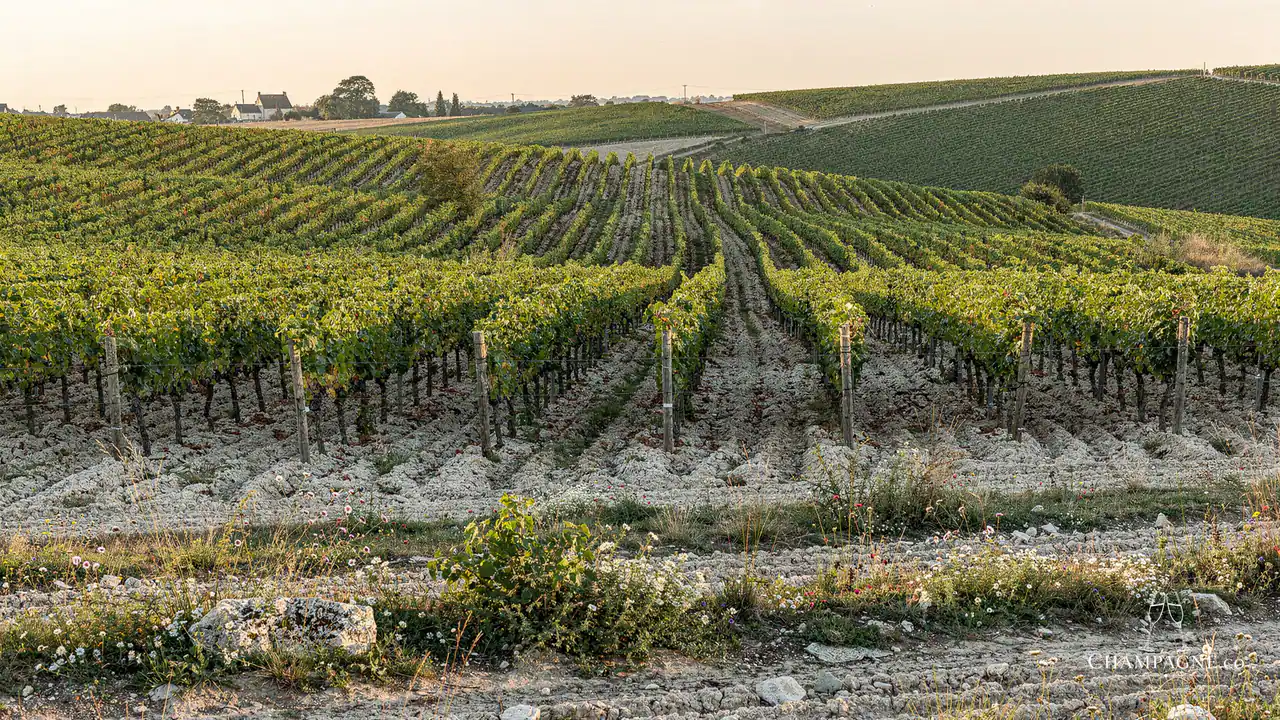
The current vineyard is about 11 hectares, centred on Béthon with additional parcels around Villenauxe-la-Grande and Montgenost. Chardonnay dominates the plantings, with smaller amounts of Pinot Noir and Meunier. That makes Thierry Triolet a useful reference for the chalk-rich, Chardonnay-led identity of the Sézannais rather than an extension of the Côte des Blancs by name alone.
The present operating company remains active in 2026 at 22 rue des Pressoirs, Béthon. Its legal management has evolved: Frédérique Marcel is the current manager, while Thierry Triolet and the next generation, including Léa and Mathieu Triolet, remain associated with the family business.
Why this producer matters
Thierry Triolet represents an important type of Côte de Sézanne grower: a family that historically sold into the wider Champagne system but developed a meaningful estate-bottled identity around its own Chardonnay-heavy vineyard.
The estate also offers a relatively classical technical counterpoint to more wood-led contemporary growers. Current specialist material consistently describes slow, low-pressure pressing, parcel separation and fermentation and ageing primarily in tank. The vineyard holds both HVE Level 3 and Viticulture Durable en Champagne certification.
Vineyards and cellar approach
The working vineyard is approximately 11 hectares across Béthon and neighbouring communes. Chardonnay accounts for the large majority of plantings, with Pinot Noir and a small amount of Meunier completing the mix.
The Sézannais' chalk and limestone soils suit Chardonnay particularly well, and the estate's range reflects that emphasis. Parcels are generally handled separately before blending, pressing is deliberately gentle, and the core white-wine programme is tank-based rather than barrel-driven.
Champagne.co analysis
Thierry Triolet is best understood through place and method rather than prestige hierarchy. The estate is firmly rooted in the Côte de Sézanne, works predominantly with Chardonnay and uses a straightforward cellar approach that lets readers compare Sézannais fruit across blended, reserve and old-vine vintage formats.
The house is also in a period of family evolution. The Champagne still carries Thierry Triolet's name, while the current company structure shows broader family participation and a change in legal management. That makes it important to distinguish the enduring producer identity from the precise title held by any one family member today.
Buying guidance
Start with the Brut to understand the broader house blend. Choose Grande Réserve if the priority is a clearer Chardonnay-led expression, and look for Vieilles Vignes when an exact vintage is available and older-vine Chardonnay is the interest.
Because the producer does not maintain a highly detailed current digital catalogue, bottle-level information matters. Check the exact vintage, blend and disgorgement where available instead of relying on long-lived merchant descriptions as though they were permanent specifications.
Loading current Champagne range…
Spotted something wrong? Report a correction
Every report goes to a human review queue. Nothing on this page changes automatically.