Vranken
Champagne Vranken is a modern Reims house founded in 1976 by Paul-François Vranken. It now sits within Maison Pommery & Associés, with Nathalie Vranken listed by the Union des Maisons de Champagne as the current chief executive.
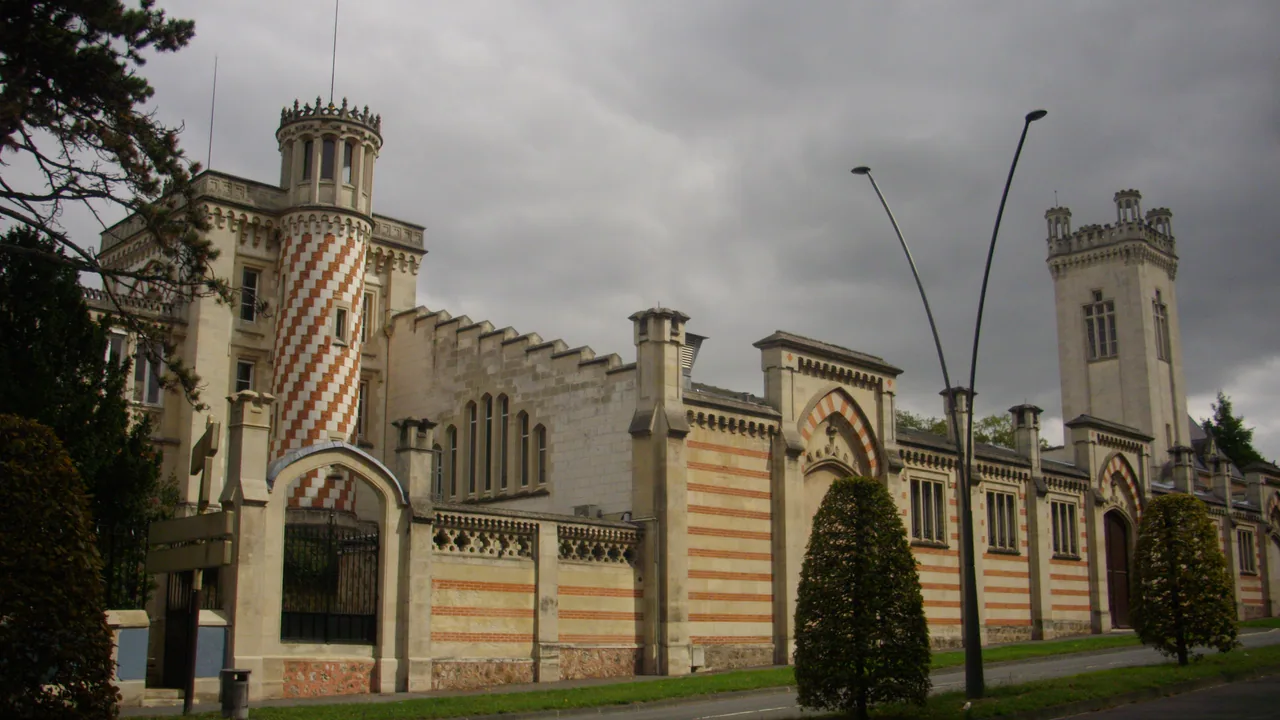
Vranken — Champagne producer profile image.
Editorial profile
Champagne Vranken is a modern Reims house founded in 1976 by Paul-François Vranken. It now sits within Maison Pommery & Associés, with Nathalie Vranken listed by the Union des Maisons de Champagne as the current chief executive.
The house should be understood at group scale with care. UMC reports a 280-hectare vineyard estate for the consolidated group, not 280 hectares belonging uniquely to the Vranken brand. Current grape-supply and production responsibilities are shared across the wider organisation, with Clément Pierlot overseeing the vineyard estate and production and Dominique Pichart and Pierre-Hubert Crozat both listed as cellar masters for Vranken.
Why this producer matters
Vranken is unusual among major Champagne names because its identity has been built relatively recently and because the house operates through several distinct consumer families rather than one linear prestige hierarchy.
The current architecture separates Vranken, Demoiselle and Diamant. They share group resources but remain distinct wine families with their own positioning and cuvée names. Treating them as one interchangeable range would obscure how the house is actually organised.
House and production structure
Vranken's current Reims address is the Villa Demoiselle, beside the Pommery estate. The house belongs to Maison Pommery & Associés and draws on the group's consolidated vineyard holdings and grower partnerships.
The 280-hectare figure published by UMC is explicitly consolidated at group level. For readers, the important distinction is between Vranken as a brand and the larger vineyard and production platform that also supports other houses within the group.
Champagne.co analysis
Vranken is best approached as a modern house operating within a large Champagne group rather than as a single-estate grower writ large. Its scale comes from shared vineyard and production resources, while its consumer identity is divided among three clearly named families.
That makes navigation more important than vineyard mythology. Readers should first decide whether they are looking at a Vranken, Demoiselle or Diamant bottle, then evaluate the exact cuvée and release within that family.
Buying guidance
For a straightforward introduction, choose within the core Vranken range, where Grande Réserve, Rosé and Premiers Crus provide the clearest house-branded reference points.
Choose Demoiselle if that family is the intended style and presentation, and Diamant for the separate premium family, including its Blanc de Blancs Millésimé. Always retain the exact label family and vintage when comparing bottles: the three names belong under one house structure but are not interchangeable cuvées.
Loading current Champagne range…
Spotted something wrong? Report a correction
Every report goes to a human review queue. Nothing on this page changes automatically.