How to Read a Champagne Label
Dryness, vintage, producer code, village, grape style and bottle information: the label can tell you much more than the brand name.
Read the articleIndependent Champagne knowledge and buying guidance
Tell us the occasion, the style you'd enjoy and the budget. We narrow the field to a short, honest shortlist — and explain in plain English why it suits you.
349 producers · 6 styles · 0 paid placements
From Learn
Ad · Champagne.co earns a commission when you buy through these retailer links. How it works
Dryness, vintage, producer code, village, grape style and bottle information: the label can tell you much more than the brand name.
Read the articleStep 1 of 3 — the occasion
Three quick questions — the occasion, the style you'd enjoy, and what you'd like to spend. We explain every recommendation in plain English.
Champagne.co doesn't sell Champagne. We've selected UK retailers who each offer a genuinely useful way to shop for it — so you can pick the one that suits what you're looking for and go straight there.
AdWe earn a commission if you buy through these retailer links.How this works
A UK marketplace listing Champagne from a wide range of independent merchants and importers, so grower bottles sit alongside the familiar houses.
Shop Champagne at WinebuyersA UK gifting specialist: Champagne presented with boxes, engraving and dated bottles for birthdays, anniversaries and thank-yous.
Shop Champagne at Vintage Wine GiftsFour small things get you most of the way there. Everything else is a detail you can learn as you go.
Six styles cover most of what's on any shelf. Learning them once is enough for a lifetime of confident choices.
A crowd-pleaser for a wedding is a different bottle from a gift. The occasion narrows the choice more than the price.
You can find a bottle worth opening at almost any price. Above a certain point you're paying for age, not enjoyment.
Style, house, dosage, and whether it's vintage. Four small things — enough to feel sure at the till.
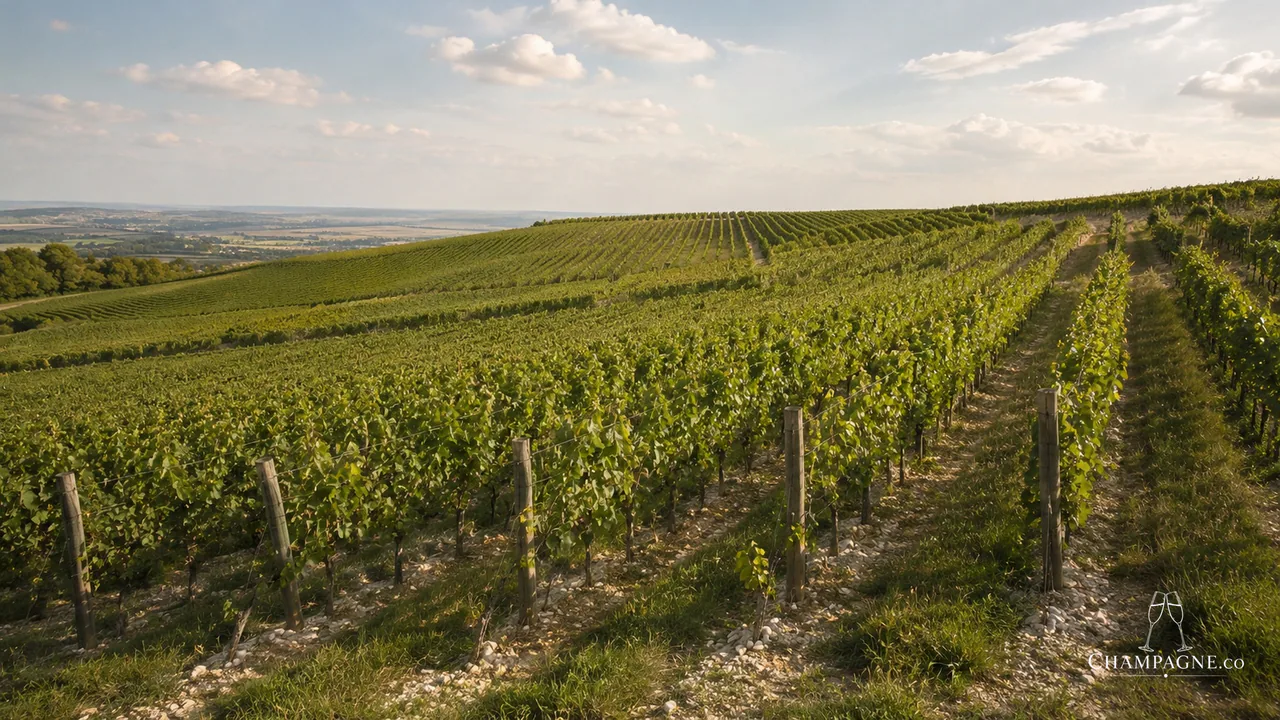
An introductory guide to the characteristics worth considering when choosing champagne below £50.
Read the guideSix styles, one vocabulary
Brut. Rosé. Blanc de Blancs. Blanc de Noirs. Vintage. Prestige.
What each style tastes like, what it pairs with, and when it's the right one to open. Enough to feel sure — nothing more.
How to think about the person, not the label. When it's worth spending a little more. And the quiet, dependable choices that never feel like a mistake.
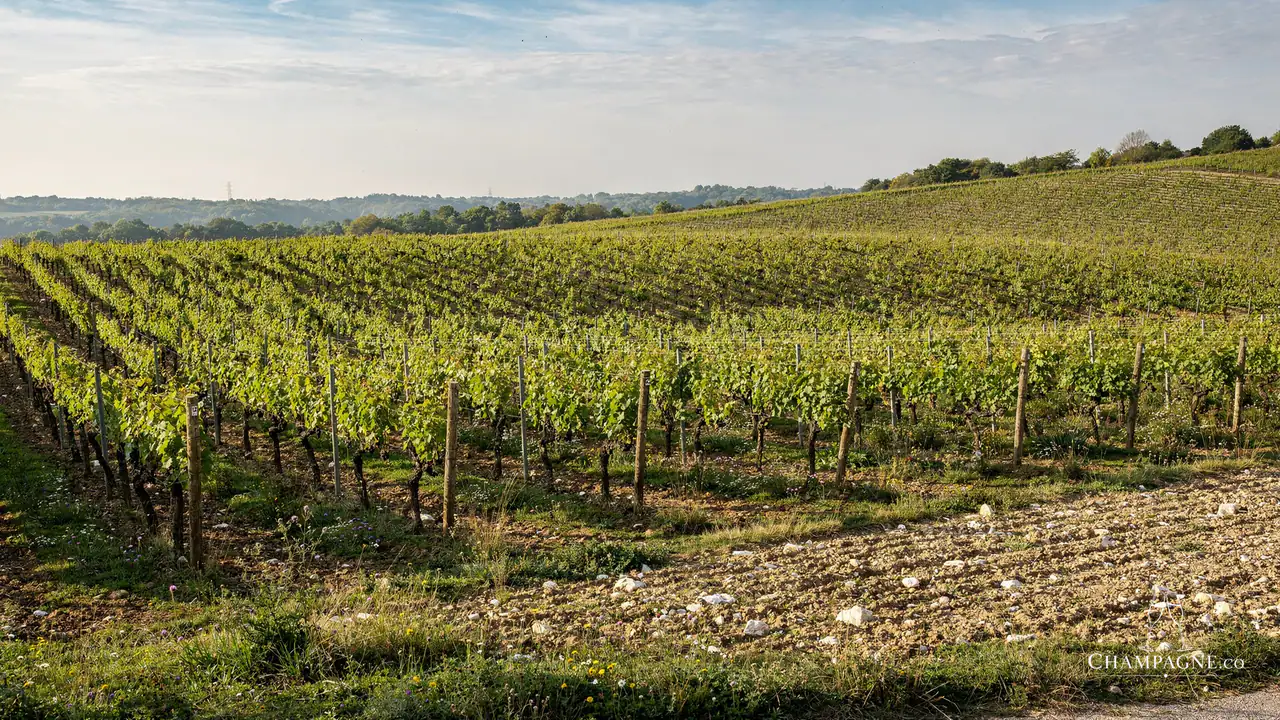
Not every producer in Champagne — the handful whose style is worth learning first.
No jargon, no gatekeeping. Short reads on how champagne is made, what the words on the label actually mean, and how long a bottle keeps once it's yours.
All readsThe same bottle can be several pounds apart between retailers in the same week. We only show a merchant price once we have verified it, so where we have none we show none.
Delivery, minimum order and stock all matter. Where we publish merchant offers, they are ones we have verified — and we say plainly when we have none.
Where we link to a merchant we may earn an affiliate commission, and we label it. It never changes which bottles we recommend or how we rank them.
Three centuries in a few honest paragraphs. From the still wines of the Marne and the cellars of Hautvillers, through the rise of the great houses, to today's wider landscape of growers, cooperatives and boutique producers.
We are a consumer buying and comparison platform. We are not the Comité Champagne and not affiliated with any regional authority.
Our editorial choices are about the wine in the bottle. Merchant relationships do not decide what we recommend.
Where we earn commission from a merchant link, we say so. Where we don't have live pricing, we don't invent it.